
Vandaag of morgen in huis

Kwaliteit gegarandeerd

Welkomstaanbiedingen ontgrendelen: GRATIS bezorging | Tot 80% korting | Gratis 30 dagen JoyPlus-proefperiode
Download de app
A forehead thermometer is useful when you want to check someone’s body temperature quickly without waking a sleeping child. However, digital models vary considerably in terms of ease of use, measurement method and features. A low price does not always mean a product is easy to use, while a long list of features does not automatically mean that a thermometer is right for your family.
Pay particular attention to these common pitfalls:
A contactless thermometer generally measures temperature using infrared technology. You hold the device at the specified distance from the forehead. Some models use a distance sensor to indicate when you are positioned correctly; with others, you have to judge the distance yourself.
A contact measurement taken in the ear, armpit, mouth or rectum works differently from a digital forehead thermometer. Do not compare results from different measurement sites without considering this difference. Always use the same method when you want to track changes in temperature.
A display with 0.1 °C resolution shows small differences, but this does not automatically mean that every reading will be accurate to that value. Also check the stated margin of error, operating temperature and instructions for cleaning and positioning.
A fast thermometer is particularly convenient for babies, children and checks during the night. A memory function, for example for storing several readings, can help you keep track of changes over time.
A silent thermometer is useful when someone is asleep. Check whether the device can measure completely silently or whether it only switches off the beep. A vibration alert may still remain active.
Clean the sensor according to the instructions and never immerse an electronic device in water. With ear thermometers, disposable covers or lens filters are usually part of the hygiene instructions. Also check whether batteries are included and which type is required.
The selection below is based on verifiable product information, such as measurement mode, display, memory, sound settings and included accessories. Brands may make additional claims about accuracy or medical use. Treat such claims as information provided by the manufacturer and always follow the product instructions.
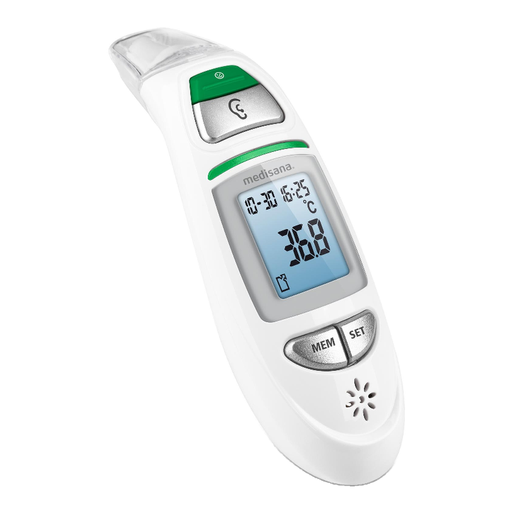
Why it suits this profile: A straightforward model for families looking for contactless measurement and basic functions without complicated operation.
The product information explicitly states that it offers contactless body temperature measurement and warns that the device is not intended for internal measurements.
Infrared measurement without touching the skin, a memory function and a display showing one decimal place.
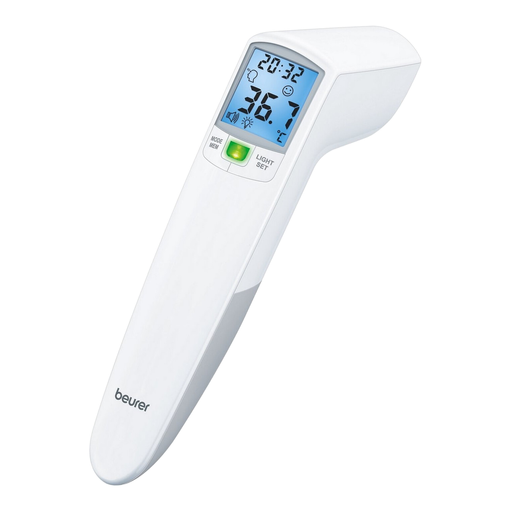
Why it suits this profile: Suitable for households that want to store temperature readings as well as carry out quick checks, and that consider a large screen important.
The specified measuring distance of 4–6 cm is clearly stated. This helps produce repeatable readings, provided you follow the instructions.
60 memory slots, body, surface and ambient temperature measurements, plus colour codes on the screen.
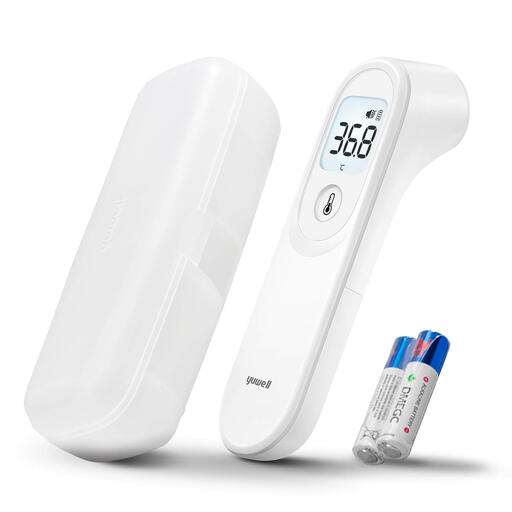
Why it suits this profile: A practical choice for parents and healthcare professionals who need to take frequent, quick readings, including when children are asleep.
A distance sensor helps with positioning. The product description also mentions a mute mode; the stated accuracy claims come from Yuwell’s own product information.
According to the product information, a reading in approximately one second, 0.1 °C resolution, a large display and two AAA batteries included.
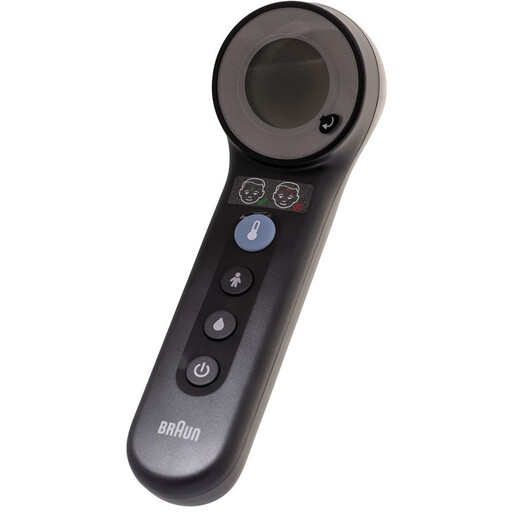
Why it suits this profile: Useful when you want the flexibility to switch between contactless and contact measurement for babies, children and adults.
The product description clearly states both measurement methods. Before buying, however, check the included manual and the manufacturer’s available product details.
Touch and no-touch modes, designed for different age groups and also suitable for measuring objects according to the product information.
We have put together a complete, up-to-date list of products that fully meet these strict selection criteria and the applicable European safety regulations.
A thermometer with a fever warning can use colour, sound or vibration to indicate that a set limit has been exceeded. The limit and its interpretation may vary from one model to another. Use the reading as a guide and, if you have any concerns about someone’s health, contact a doctor or other qualified healthcare professional.
Many models are described as being suitable for babies, children and adults. Correct distance and positioning are particularly important for young babies. Follow the instructions and discuss any worrying reading with a healthcare professional.
The lifespan depends on battery use, cleaning, storage and frequency of use. Replace the batteries in good time, avoid moisture and do not drop the device. A model with automatic switch-off can help reduce battery consumption.
In addition to the purchase price, you will generally only need batteries. Ear thermometers may also require hygiene covers or lens filters. Check the contents of the packaging and the cost of replacement accessories before placing your order.
