
Vandaag of morgen in huis

Kwaliteit gegarandeerd

Welkomstaanbiedingen ontgrendelen: GRATIS bezorging | Tot 80% korting | Gratis 30 dagen JoyPlus-proefperiode
Download de app
Buying a pair of football boots seems simple until you find yourself on a wet artificial pitch with the wrong studs. Many poor purchases are not caused by the brand or colour, but by the wrong combination of surface, fit and intended use.
Three common pitfalls keep coming up:
The abbreviation on the sole indicates which pitch the boot is designed for:
Do not routinely use FG boots on artificial grass. Conversely, TF profiles may not provide enough grip on natural grass. Also check the rules of your club or venue.
A synthetic upper is generally easy to clean and can help keep weight down. Leather can mould to the foot, but requires more care. According to the product description, the Joma Aguila Cup 2518 FG uses a natural leather upper, while various Joma models use synthetic leather or synthetic materials.
Also look out for:
If you are mainly looking for a lightweight football boot, it is wise not to focus solely on the stated weight. The width, sole stiffness and the way the boot wraps around your foot are at least as important.
Some Joma models include a size chart with foot lengths. As a guide, the product information gives the following examples:
Measure both feet at the end of the day while wearing the socks you use for football. Use the measurement of your larger foot as your starting point. A boot should fit snugly, but your toes must not press against the front.
For men’s football boots and unisex models in the 40.5 to 45 range, it is especially important to check the specific product page. A regular fit does not automatically mean that the boot is suitable for a wide forefoot.
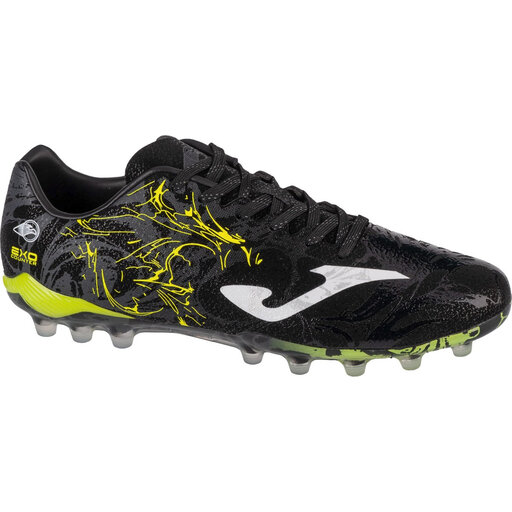
Why it suits this profile: This model is designed for artificial grass and has a regular fit, lace fastening and synthetic upper. This makes it a straightforward choice for training sessions and matches on AG pitches.
The AG designation makes the intended use clear. However, check that your pitch is actually classified as artificial grass.
AG rubber sole, synthetic upper, lace fastening and size 40.5.
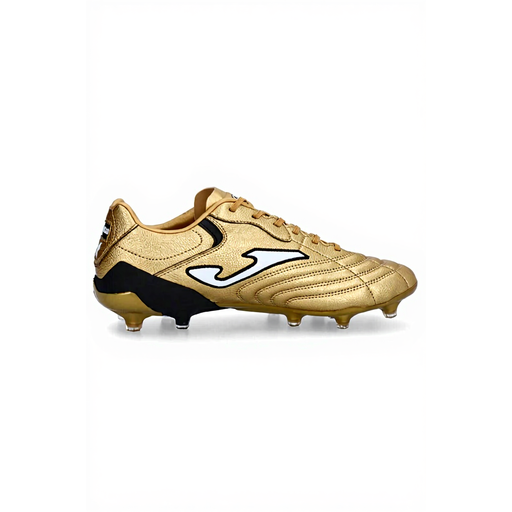
Why it suits this profile: For players who place great value on materials and ball feel on firm natural grass. The product information mentions a natural leather upper, padded collar and anatomically shaped insole.
The FG sole is designed for firm natural grass. This makes the intended surface clearer than with general sports shoes.
Natural leather upper, FG rubber sole and padded collar.
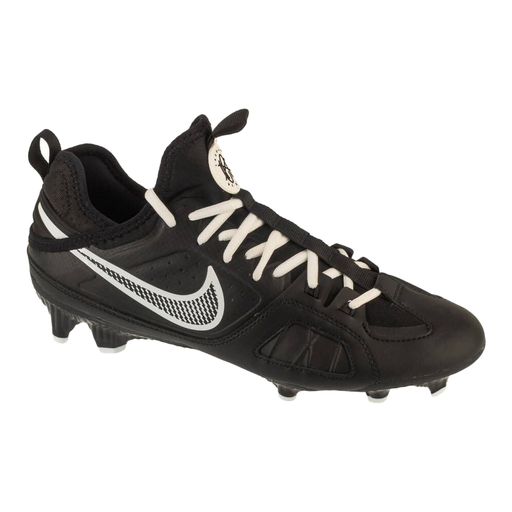
Why it suits this profile: These Nike lacrosse boots are intended for lacrosse on natural grass. The low-profile construction, synthetic upper and FG studs suit players who change direction quickly.
The boot is described as a lacrosse model with an FG configuration. Do not therefore use it as an indoor football boot or a standard TF model.
FG studs, synthetic upper, foam midsole and lace fastening.
We have put together a complete, up-to-date list of products that fully meet these strict selection criteria and the applicable European safety regulations.
After every training session, remove sand, grass and mud with a soft brush or damp cloth. Allow the boots to dry at room temperature and avoid radiators, hairdryers and direct sunlight. Excessive heat can damage synthetic materials, adhesive bonds and leather.
Use boots with fixed studs only on the recommended surface. Regularly check the sole for loose sections and signs of wear. According to the product information, the statutory guarantee lasts for at least two years under EU consumer law; this is separate from normal wear and tear caused by use or damage resulting from incorrect care.
AG football boots are usually the best choice for standard artificial pitches. For short-pile artificial grass or turf, TF turf football boots may be more practical. Check the manufacturer’s advice and the surface at your club.
The heel should move very little and the midfoot should be held securely. Your toes must not touch the front. Measure your foot in millimetres and compare the result with the size chart for your chosen model.
This depends on playing hours, surface, materials and care. An FG model used on artificial grass will generally wear differently from an AG or TF model. By using boots only on the recommended surface, removing dirt promptly and allowing them to dry naturally, you can limit unnecessary wear.
