
Vandaag of morgen in huis

Kwaliteit gegarandeerd

Welkomstaanbiedingen ontgrendelen: GRATIS bezorging | Tot 80% korting | Gratis 30 dagen JoyPlus-proefperiode
Download de app
Buying a pair of football boots seems simple, until you find yourself on a wet natural-grass pitch with the wrong sole. Many poor purchases are not caused by an eye-catching design, but by choosing the wrong playing surface, unclear material information or a size that feels fine when trying it on but becomes tight after a full training session.
As a Joybuy Product Recommendation Officer, I therefore start with verifiable details: the sole type, upper material, fit, size and intended use. This prevents marketing terms from making the decision for you.
FG, AG, SG and TF are not decorative abbreviations. They indicate the type of surface the sole is designed for.
An FG model on a hard artificial pitch may be less comfortable and wear out more quickly. SG studs on a dry, firm pitch may provide too much grip. So first check where you usually play, rather than focusing only on the colour or brand you like.
Leather football boots can feel supple, but generally require more care than synthetic models. In addition, product information may vary between different components. Some boots may be described as having natural leather, while the technical specifications state synthetic leather.
So check the specification for the upper material, lining and sole. A synthetic outer layer is often easy to clean. A leather upper may mould more closely to your foot, but it needs to be dried and maintained properly after use. Do not choose solely on the basis of words such as “premium” or “professional”.
Nike lacrosse shoes with an FG sole may provide grip on natural grass, but they are designed for lacrosse rather than specifically for football. The shape, support and ball-contact area may be different. Only use them if the construction and fit suit your playing style.
The same applies to general sports shoes. Football boots need to provide a secure fit, but they must also support rapid changes of direction and the level of ball feel you want.
The sole is the first thing to consider. For a regularly used natural-grass pitch, FG football boots are a logical choice. According to the product information, the Joma Aguila Cup 2518 FG and Joma Super Copa 2401 FG are made for firm natural grass. The Joma Propulsion Cup 2308 SG is intended for soft ground and has aluminium studs.
Do you mainly play on artificial grass? The Joma Super Copa 2402 AG models are designed for artificial pitches. For short turf pitches, the Joma Top Flex 2401 TF is a more suitable category. In a sports hall, you need a flat, non-marking sole, such as the one on the Joma Top Flex 2531 IN.
Measure your foot at the end of the day, wearing the socks you use for football. Compare the measured length with the size chart on the product page. Pay attention to the following:
Men’s and women’s football boots do not always differ solely in colour. The last, available sizes and shape may vary between models. So check the actual sizing rather than relying only on the men’s or women’s label.
A padded collar, anatomically shaped insole or cushioning midsole can improve comfort. However, these are not guarantees of a perfect fit. The shape of your foot remains the deciding factor.
Clean your boots after every training session with a soft brush or damp cloth. Allow them to dry at room temperature and avoid placing them on a radiator or using a tumble dryer. This helps keep the glue, lining and upper material usable for longer. Leather models require care with a suitable product; always follow the manufacturer’s care instructions.
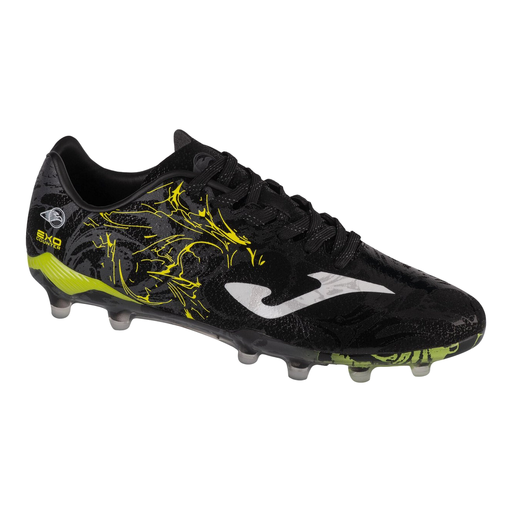
Why it suits this profile: A straightforward FG model for adults who train on firm natural grass and want a regular fit with a lace-up fastening.
The product information clearly states the FG sole, regular fit and lace-up fastening. This allows you to check the intended playing surface in advance.
Eco-leather upper according to the product details, rubber outsole and stated sizing for adults.
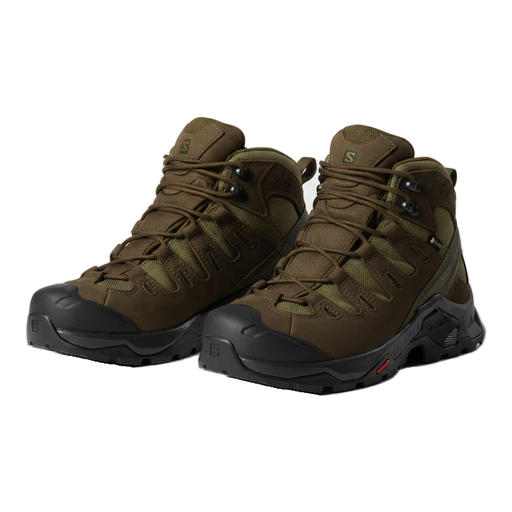
Why it suits this profile: For walkers and backpackers who want sturdy protection on wet paths and longer routes as well as football boots.
The specifications list a high shaft, GORE-TEX membrane, stable chassis and rubber sole. However, always check the fit before planning a long walk.
Waterproof walking shoes according to the product description, a higher cut and a wide fit for use on mixed terrain.

Why it suits this profile: For indoor players looking for a flat sole, agility and a model designed for indoor football.
The product information states that it has a non-marking rubber outsole and is suitable for indoor courts. This prevents the mistake of wearing studded boots in a sports hall.
Leather outer material according to the product description, perforations for ventilation and a reinforced toe.
We have compiled a complete, up-to-date list of products that fully meet these strict selection criteria and the applicable European safety regulations.
That depends on the playing surface, training frequency, materials and care. Using FG boots exclusively on firm natural grass and removing mud straight away can help prevent unnecessary wear. Do not use a pair on surfaces for which the sole is not designed. Regularly check the studs, stitching and sole connection. The product information for the models mentioned states a statutory minimum two-year guarantee under EU consumer legislation; this is separate from normal wear and tear caused by use.
Yes, but do it gradually. Start by wearing new boots for a short period during a light training session. Check that the heel remains stable and that there is no pressure around the toes or instep. Fully loosen the laces when putting them on, then adjust them evenly. Boots should not feel painfully tight; “breaking them in” will generally not solve an incorrect size or last.
For artificial grass, AG football boots are usually the right choice. On short turf, a TF sole may be more suitable. Check the manufacturer’s recommendation and your club’s rules. If you play on both natural and artificial grass, one pair may not be suitable for both surfaces. A second pair prevents you from unnecessarily compromising grip, comfort or durability.
