
Vandaag of morgen in huis

Kwaliteit gegarandeerd

Welkomstaanbiedingen ontgrendelen: GRATIS bezorging | Tot 80% korting | Gratis 30 dagen JoyPlus-proefperiode
Download de app
The new season is just around the corner, and you're looking for a new pair of football boots. The selection is vast, the marketing is loud, and the risk of making a bad purchase is real. Many players fall into the same traps: they choose a boot that looks great but doesn't perform, or they buy the wrong type for the pitches they play on. The result? Blisters, poor grip, and boots that are worn out after half a season.
As a Joybuy Product Recommendation Officer, I see which products are popular and which are genuinely functional every day. In this article, I'll help you ignore the marketing hype and focus on what really matters, so you can make an informed decision.
Before we dive into the specifications, let's first discuss the most common mistakes that can cost you money and enjoyment of the game.
natural grass football boots. On artificial turf, the studs wear down extremely quickly, you lose grip, and you increase the risk of injury.lightweight football boots are ideal for fast players, but only if they also provide sufficient support.To avoid the pitfalls mentioned above, there are two specifications you should always check: the sole type and the upper material.
The abbreviation on the box (FG, AG, SG) isn't a marketing term, but a crucial indicator for its intended use. For most standard amateur pitches, an FG (Firm Ground) sole is the default choice. These soles have plastic studs strategically placed for a good balance between grip and agility on traditional grass fields. If you use them for anything else, the warranty is often voided, and you significantly shorten their lifespan.
The boot's upper determines the comfort, weight, and how you feel the ball. For instance, Joma football boots often use high-quality synthetic leather or eco-leather.
lightweight football boots aimed at speed.Also, pay attention to additional technologies. For example, Joma uses an Exo Counter in the heel for extra stability or a Sock System for a snug fit around the ankle. These are functional features that genuinely contribute to your performance.
Based on objective product specifications, we have selected a number of models that suit different types of players.
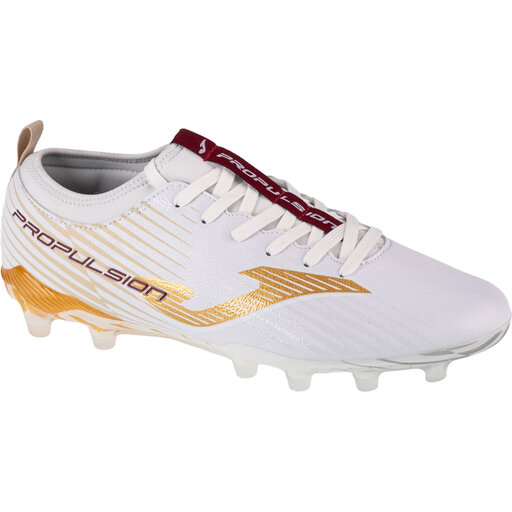
Why This Fits Their Persona: This boot is designed for players who rely on their speed and agility. The lightweight construction aids in quick sprints and changes of direction on the pitch.
This boot has a pure FG sole, specifically made for grip on natural grass. This prevents the classic mistake of using the wrong sole on the wrong surface.
The combination of a lightweight construction and a durable synthetic leather upper offers speed without sacrificing longevity.
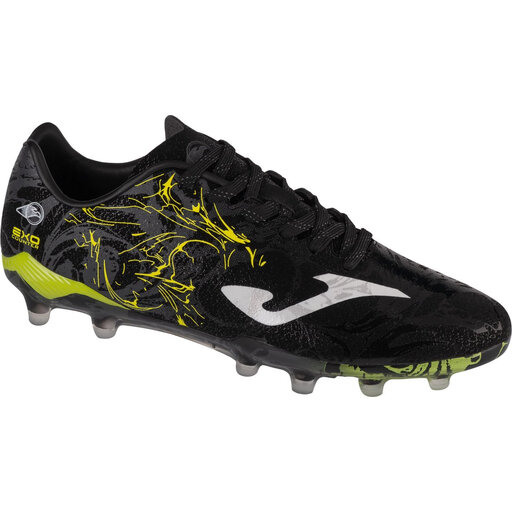
Why This Fits Their Persona: For the player who covers every inch of the pitch and needs a boot that offers comfort, ball control, and stability. This is a true all-rounder for the `men's football boots` category.
This model focuses on functional technology like the Exo Counter for heel support, rather than purely on aesthetics. You're choosing performance and comfort, not just the look.
The eco-leather upper is durable and comfortable, while the FG sole ensures reliable grip on natural grass. A solid choice for an entire season.
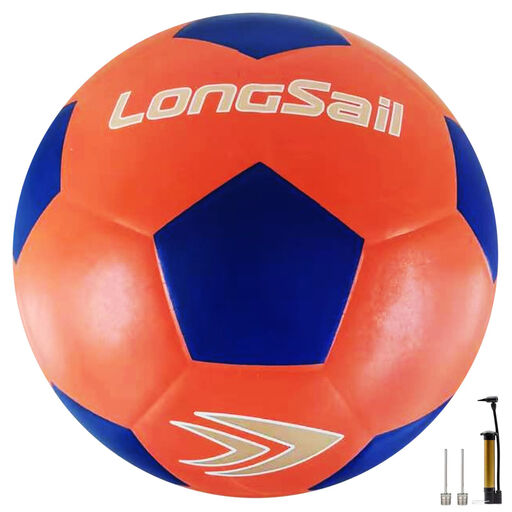
Why This Fits Their Persona: This isn't a boot, but an essential piece of kit for young players: a robust `training football`. Ideal for children aged 8-12 who spend countless hours on the pitch, regardless of the weather.
Parents often buy an expensive match ball for training, which wears out quickly. This `waterproof football` is made of seamless foam rubber, specifically designed to last and not become waterlogged.
The ball is extremely durable and comes as a complete set with a pump and a storage net. The `size 4 football` is the official size for this age group.
We have compiled a complete, up-to-date list of products that fully meet these strict selection criteria.
The lifespan of FG football boots depends heavily on usage. With correct use on natural grass and proper maintenance (cleaning after use, allowing to dry naturally), a good pair can last one to two seasons. If you use them on artificial grass or the street, the studs can wear down completely within a few months.
It is strongly discouraged. The round, longer studs of an FG sole are designed to 'bite' into natural grass. On an artificial turf pitch, they can get stuck, which increases the risk of knee and ankle injuries. Furthermore, the harder surface causes accelerated wear on the studs. For artificial grass, AG (Artificial Grass) boots are the correct choice.
The size of the ball depends on the player's age.
