
Vandaag of morgen in huis

Kwaliteit gegarandeerd

Welkomstaanbiedingen ontgrendelen: GRATIS bezorging | Tot 80% korting | Gratis 30 dagen JoyPlus-proefperiode
Download de app
A food processor can chop, slice, grate, mix, purée and sometimes knead. Yet many people buy an appliance that barely gets used after a few weeks. The problem is often not the brand, but a poor match between the machine and your everyday cooking routine.
A small electric chopper is useful for onions, herbs and nuts, but not for large quantities of dough. A multifunctional food processor offers more accessories, but also takes up more space. So don’t focus solely on wattage or the number of functions. The capacity, accessories, materials and cleaning method are just as important in determining whether the appliance remains practical.
An 800-watt food processor sounds powerful, but wattage does not tell you everything about how it performs. The result also depends on the blade design, bowl shape, maximum operating time and how you add the ingredients. Lower power is often enough for soft vegetables and herbs. Hard vegetables, nuts or dough may require more power.
Also check whether the instructions recommend short pulses. A motor is not designed to run continuously for unlimited periods.
A 500 to 600 ml bowl is suitable for small portions of pesto, dressing or chopped herbs. For a family or meal preparation, a capacity of around 1.5 to 2.3 litres is more practical. A bowl that is too small means you have to prepare several batches. On the other hand, an overly large bowl may not work as well with a small quantity of ingredients.
The shape is also important. A tall, narrow bowl can be useful for puréeing, while a wide bowl offers more room for slicing and mixing.
A multifunctional food processor may come with grating discs, slicing discs, a blender jug, dough hook, whisk or mincer. That sounds versatile, but every accessory requires storage space and cleaning.
Make a quick list beforehand:
Then choose only the functions you expect to use every week.
For everyday chopping, grating and mixing, a power rating between 500 and 900 watts is often a sensible choice. An 800-watt appliance such as the Bosch MCM3200W offers two speeds and a pulse setting, according to its product specifications. The pulse setting gives you more control over the texture of onions, nuts or vegetables.
A higher wattage does not automatically make an appliance suitable for every task. Check whether the manufacturer also states that the model is suitable for hard ingredients, ice or dough. If in doubt, the instruction manual is the most reliable source.
A food processor with a glass bowl is less prone to retaining odours and developing stains than some plastic bowls. However, glass is heavier and can break if knocked or exposed to a sudden change in temperature. Always check whether the bowl is suitable for hot ingredients, as this should not be taken for granted.
Plastic is generally lighter and practical for everyday use. Check the stated materials and cleaning instructions. Dishwasher-safe parts can save time, but always check exactly which parts are suitable for the dishwasher.
A well-designed appliance should have an interlock that prevents the motor from starting if the bowl or lid is not correctly fitted. Non-slip feet help keep the appliance in place during use. Sharp blades should be removable, but this means you need to take extra care when cleaning them.
Pay attention to the following points:
A minimum two-year legal guarantee applies to many electrical kitchen appliances in the EU. Also check the terms and conditions of the retailer and manufacturer.
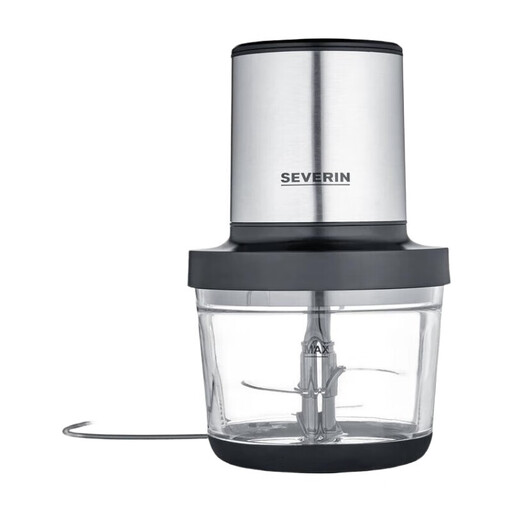
Why it suits this profile: This compact model has a 1,000 ml glass bowl and is designed for chopping, mixing and crushing ice without taking up the space of a large kitchen appliance.
The 1-litre capacity means you won’t have to start with an extremely small mini food processor. The pulse function helps you chop with greater control.
400 watts, 1,000 ml glass bowl, stainless steel blades and two speeds.

Why it suits this profile: The combination of 800 watts, a 2.3-litre bowl and multiple functions is well suited to households that regularly prepare vegetables.
This model combines plenty of power with a medium-sized bowl, so you aren’t paying for high wattage without useful capacity.
800 watts, 2.3 litres, two speeds and a pulse function for chopping, mixing, slicing and grating.

Why it suits this profile: This model combines a food processor with a blender function and personal blender cup for smoothies, sauces and everyday meal preparation.
The functions are clearly specified: chopping, slicing, grating, puréeing, kneading, blending and crushing ice. This lets you check in advance whether they suit your recipes.
900 watts, seven power levels, a 1.3-litre bowl and a 600 ml personal blender.
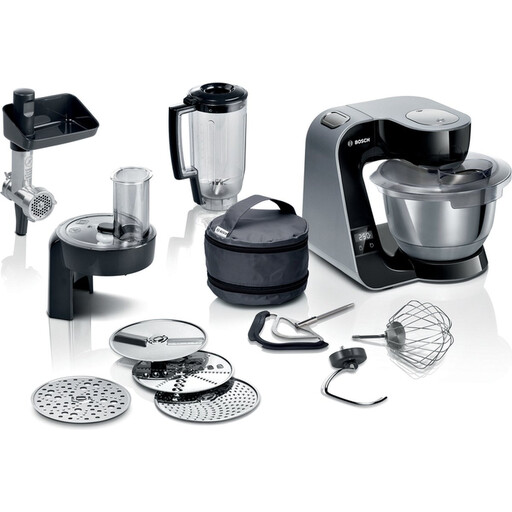
Why it suits this profile: This kitchen machine is designed for larger preparations and comes with, among other things, a mixing bowl, dough hooks, whisk, blender and chopping disc.
The accessories are listed in advance, so you can decide whether the additional storage space and functions are worth it for the way you use the appliance.
1000 watts, seven speeds, integrated scales and accessories for kneading, mixing, blending and chopping.
We’ve compiled a complete, up-to-date list of products that fully meet these strict selection criteria and the applicable European safety regulations.
That depends on the bowl capacity, blades and preparation method. A mini food processor is useful for small portions of fruit, vegetables or cooked ingredients. Check whether the appliance is suitable for the temperature of the ingredients. Allow hot food to cool first if the manual does not permit processing hot ingredients. Clean the bowl and blades immediately after use.
Its lifespan depends on the workload, maintenance and whether you follow the maximum operating time. Cut large ingredients into smaller pieces beforehand, use the pulse setting when recommended and avoid overloading the appliance. A motor that regularly runs for too long without a break can overheat. Before buying, check whether replacement parts and blades are available.
A food processor usually operates for short periods, so total consumption per preparation remains limited. An 800-watt model uses a maximum of 800 watts per hour while running; if you use it for just a few minutes, the actual consumption is lower. The exact cost depends on the power rating, operating time and your electricity tariff.
