
Vandaag of morgen in huis

Kwaliteit gegarandeerd

Welkomstaanbiedingen ontgrendelen: GRATIS bezorging | Tot 80% korting | Gratis 30 dagen JoyPlus-proefperiode
Download de app
A food processor can take a lot of chopping off your hands, but not every appliance is right for every kitchen. If you focus only on the wattage or a long list of functions, you could end up with a model that’s too small, difficult to clean or left unused in a cupboard.
Before you buy a food processor, focus on three things:
On paper, an 800-watt food processor has a more powerful motor than a 300- or 400-watt model. That can be useful for firmer ingredients, dough-like mixtures or larger quantities. However, wattage alone doesn’t tell you how well an appliance will process every ingredient.
Also look at:
An electric chopper with 300 watts may be enough for onions, herbs and soft vegetables. If you regularly chop meat, nuts or hard vegetables, a model with a more powerful motor and suitable blades makes more sense. Always follow the instructions and, if recommended, process tougher ingredients in short pulses.
A compact food processor is handy in a flat or small kitchen. A bowl holding 500 to 900 ml is suitable for pesto, hummus, dressings, garlic, herbs and small portions of mince. For a family or meal prep, a capacity of around 1.8 litres or more is more practical.
Look out for the difference between:
A food processor with a glass bowl can be a good option if you process different ingredients one after another. Check whether the bowl is dishwasher-safe and can withstand sudden changes in temperature. This varies by model.
A multifunctional food processor can, for example, chop, mix, grate and slice. Some models also come with a blender jug, citrus press or dough-making function. However, an appliance with lots of accessories takes up more space and needs more room for storage.
Before you buy, check:
A food processor with a chopper attachment isn’t automatically suitable for mincing meat. If you want to make your own mince or sausages, look for a model with mincing discs, a sausage-stuffing attachment and clear instructions for handling raw meat.
Assuming a high wattage means unlimited power
An 800-watt motor doesn’t mean you can process unlimited quantities of hard ingredients. The bowl, blades and recommended processing time are just as important.
Buying a large bowl for small portions
In an oversized bowl, herbs or small quantities can sometimes stay around the blades. A mini food processor is often more practical for sauces and dips.
Thinking every function is essential
A citrus press or double whisk might sound appealing, but it won’t be much use if you only chop vegetables. It’s better to pay for functions you’ll use every week.
Underestimating the cleaning involved
Food can get caught around blades, lid edges and drive shafts. Check whether the parts can be removed, and consult the manual before putting them in the dishwasher.
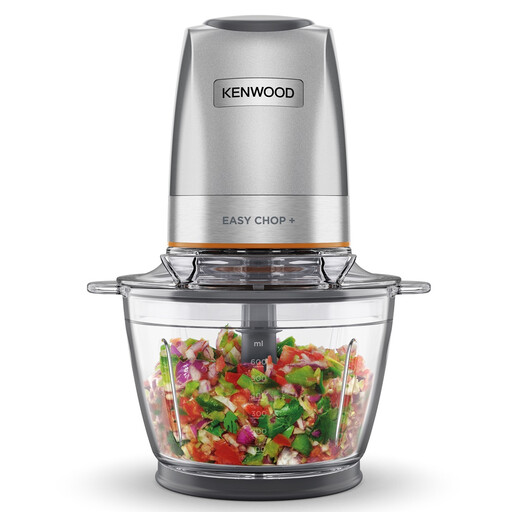
Why it suits this type of user: The 600 ml bowl is ideal for small everyday portions, such as onions, herbs, dips and dressings. The glass bowl can also be used for serving.
The two speed settings and one-button operation keep things simple. The product description mentions a non-slip ring and a glass bowl.
600 ml capacity, 500 watts, QuadBlade blade system and, according to the product information, a 2-year guarantee.

Why it suits this type of user: This model combines an 800-watt motor with a 2.3-litre bowl and several functions, making it a good choice for households that cook regularly.
The product details specify two speed settings plus pulse, as well as functions for chopping, mixing, slicing and grating. So you’re not choosing based on wattage alone.
800 watts, 2.3-litre capacity and a compact body measuring 397 × 263 × 369 mm, according to the specifications provided.
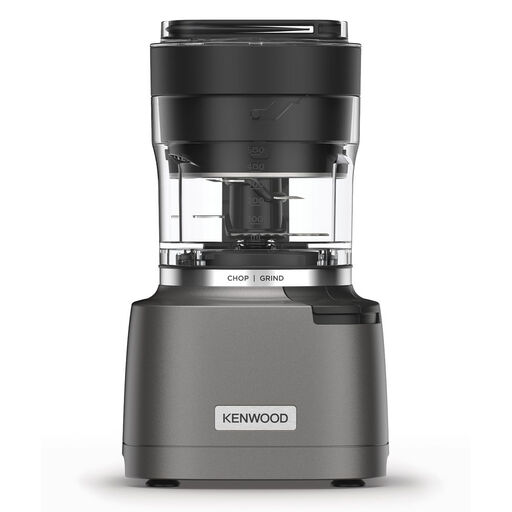
Why it suits this type of user: This model is designed for people who want to grind coffee, herbs or other hard ingredients as well as chop.
The two separate bowls and accessories make it clear which parts are for chopping and which are for grinding. According to the product description, the parts are dishwasher-safe.
800 watts, two speed settings, a 500 ml chopping bowl and a separate grinding accessory, according to the product details.
We’ve put together a complete, up-to-date list of products that meet these strict selection criteria and the applicable European safety regulations.
No. Lower-powered models may be enough for herbs, soft vegetables and small portions. An 800-watt food processor gives you more scope for tougher tasks, but always check the maximum processing time, bowl capacity and manufacturer’s instructions.
A chopper can process small amounts of meat if the manufacturer says it’s suitable. If you regularly mince raw meat, make sausages or want to choose between different mincing sizes, a separate meat mincer is more suitable. Look for mincing discs, a reverse function, cleaning instructions and suitable accessories.
Its lifespan depends on how you use, clean and store it. Don’t overfill the bowl, use the pulse function where indicated and let the motor cool down between heavy-duty sessions. Before buying, also check the guarantee terms and whether replacement parts are available.
