
Vandaag of morgen in huis

Kwaliteit gegarandeerd

Welkomstaanbiedingen ontgrendelen: GRATIS bezorging | Tot 80% korting | Gratis 30 dagen JoyPlus-proefperiode
Download de app
A food processor can take a lot of work off your hands, from smoothies and sauces to dough, minced meat and finely ground herbs. However, one appliance is not automatically suitable for every preparation. A compact smoothie maker can be useful on the go, but is less suitable for making large quantities of soup. A powerful stand mixer can knead dough, but takes up more space.
The biggest buying mistakes usually come down to three pitfalls:
Deciding in advance what you prepare each week helps prevent an appliance from ending up unused in a kitchen cupboard.
First, think about the main tasks:
An all-in-one model may save space, but it often comes with more parts to store and clean. An appliance with one clear function may therefore be more practical for everyday use.
Power is measured in watts. This is a useful indication of the motor’s capacity, but it is not a standalone measure of quality. Also check the permitted operating time and the required breaks between heavy preparations. Some models, for example, state that you may blend continuously for a maximum of 60 seconds before allowing the appliance to rest.
A 500 to 600-watt blender may be suitable for fruit, soft vegetables and liquid preparations. For frozen ingredients, nuts or ice, a more powerful motor can provide greater capacity. A 1,200-watt hand blender with a mini chopper and herb grinder is designed differently from a 1,250-watt countertop blender.
Choose the capacity based on the number of people you are preparing food for. A 590 or 700-millilitre cup is well suited to a single serving. For a family, a jug of around 1.2 to 1.75 litres is more practical. With a stand mixer, the capacity of the mixing bowl and the maximum amount of dough also matter.
Also check the appliance’s dimensions. A large food processor cannot always be placed beneath a kitchen cupboard. A cordless smoothie maker offers more flexibility around the plug socket, but it does need to be recharged.
A glass jug is heat-resistant when the manufacturer states that it is, but glass is heavier than plastic. Dishwasher-safe parts make everyday use easier. Always check which components may and may not be placed in the dishwasher.
Look for a safety interlock, a stable non-slip base and a clear way to remove the blades. Blades are sharp: unplug the appliance before assembly, dismantling and cleaning. Follow the instructions when handling hot liquids. According to the product information for various models, the motor unit must never be immersed in water.
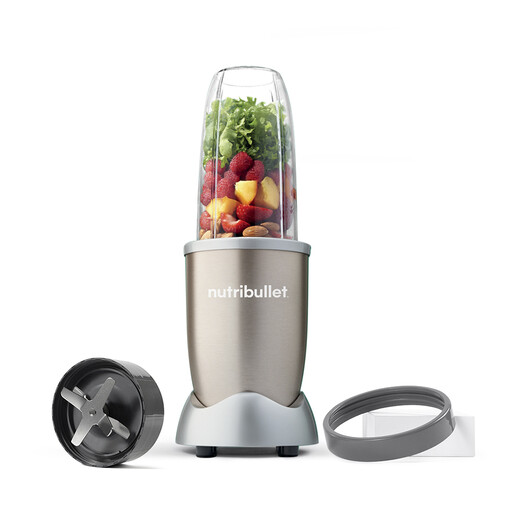
Why it suits this profile: This compact blender is designed for smoothies, dips, sauces and small portions. The 700ml cup is suitable for individual use and takes up very little space.
The product information specifies 900 watts, a pulse function and suitability for frozen ingredients. The capacity is straightforward, so you do not pay extra for a large family-sized food processor.
900 watts; 700ml Tritan cup; parts such as the cup and drinking ring are dishwasher-safe according to the product description.
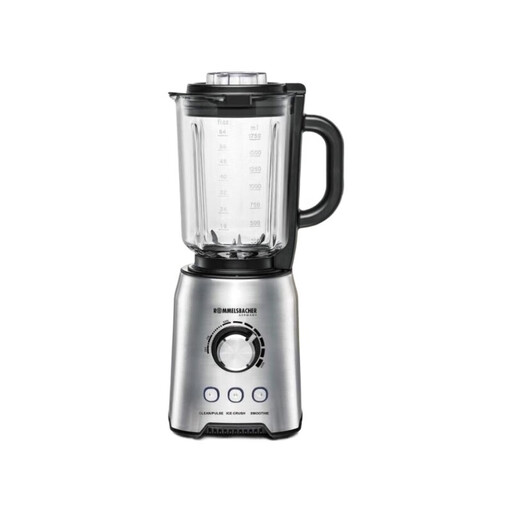
Why it suits this profile: This countertop blender combines a 1.75-litre heat-resistant glass jug with variable speed control. It is well suited to households that prepare both cold and hot foods and drinks.
The specifications list more than just the 1,250-watt power rating. They also mention a glass jug, variable speed, a pulse function and separate programmes for smoothies, soup and ice crushing.
1,250 watts; 1.75-litre heat-resistant glass jug; stainless steel blade with six blades; safety interlock.

Why it suits this profile: This model is designed for people who regularly prepare dough, sliced vegetables, juice, smoothies and minced meat, and who are happy to store several accessories.
The included functions are clearly specified: meat grinder, blender, citrus juicer, vegetable slicer and various dough attachments. Before buying, do check the current contents of the package.
3.9-litre stainless steel bowl; accessories for kneading, grating, slicing, blending and grinding; according to the product information, suitable for up to 2.7kg of kneaded dough.
We have put together a complete, up-to-date list of products that fully meet these strict selection criteria and the applicable European safety regulations.
No. A food processor is particularly useful for chopping, slicing and grating. A blender processes liquids and soft or frozen ingredients. A stand mixer is designed for dough and batter. A multifunctional model combines several functions, but always check the included accessories and maximum quantities.
Its lifespan depends on how it is used, how well it is maintained and whether the instructions are followed. Allow the motor to cool down after heavy preparations, do not exceed the maximum capacity and clean the blades immediately after use. The product information for several of the appliances mentioned states a statutory minimum two-year guarantee under EU consumer law. This is separate from the expected technical lifespan.
Energy consumption depends on the power rating and operating time. In theory, a 1,200-watt appliance uses 1.2 kilowatt-hours when running continuously for one hour. In practice, a blender is usually used for short periods. So do not look only at the wattage; also consider the preparation time, automatic programmes and recommended breaks.
