
Vandaag of morgen in huis

Kwaliteit gegarandeerd

Welkomstaanbiedingen ontgrendelen: GRATIS bezorging | Tot 80% korting | Gratis 30 dagen JoyPlus-proefperiode
Download de app
Food supplements can complement your daily diet, for example when you are specifically looking for collagen, vitamin D3, magnesium or a multivitamin. However, choosing the right one is not always straightforward. Eye-catching packaging, a high dosage or a promising product name does not automatically mean that a supplement is right for your situation.
Focus instead on verifiable information: the amount of active ingredient per daily serving, the form of the supplement, the ingredients list and the warnings on the label.
A product containing 1000 mg of vitamin C or 10.000 mcg of biotin may seem appealing because of the large number. However, a higher amount is not necessary for everyone. First check the recommended daily dosage and make sure you are not already getting the same nutrient from other products.
For example, a hair vitamin may contain vitamin A, vitamin D3, vitamin B12, zinc and iodine as well as biotin. If you combine it with a multivitamin without checking the ingredients, certain nutrients may build up to excessive levels.
Claims about skin, hair, energy or immunity should be assessed against permitted nutrition claims and the product information. A brand’s own research may suggest that a product has certain properties, but that does not automatically mean the claim applies to every user.
For example, a collagen supplement may contain hydrolysed collagen peptides, vitamin C and hyaluronic acid. Then check how much of each ingredient is present per daily serving and exactly what the manufacturer states. Do not expect medical effects, and do not use supplements as a substitute for a varied diet.
Gummies and capsules differ in ease of use, shelf life and composition. Gummies often contain sweeteners and may require specific storage conditions after opening. Capsules are usually compact, but are not always suitable for vegans. Sachets and liquid shots are convenient when you are out and about, but may work out more expensive per serving.
That is why it is worth calculating the price per daily serving rather than looking only at the price of the pack.
Always compare the amount per recommended daily dosage, not just the amount per tablet or capsule. For example, Lucovitaal Super Collagen 2000 mg provides 2000 mg of hydrolysed collagen per dose of two tablets, supplemented with 80 mg of vitamin C and 40 mg of hyaluronic acid. The pack contains 60 tablets, so at the stated dosage it lasts approximately 30 days.
Another option is Lucovitaal Super Collagen 2500 mg Sachets. According to the product description, one sachet contains 2500 mg of collagen peptides, 60 mg of vitamin C and 20 mg of hyaluronic acid. Dissolve the sachet in approximately 250 ml of water or fruit juice. This is particularly relevant if you prefer not to swallow tablets.
The form of a mineral or vitamin can be one factor to consider when comparing products. Magnesium bisglycinate, for example, is a specific form of magnesium. Lucovitaal Magnesium 375 mg Bisglycinate states that it provides 375 mg of magnesium per daily serving of two tablets and is vegan according to the product information. The description also states that it may have a laxative effect.
Also pay attention to combinations. A zinc and copper supplement may be useful if you specifically want to combine both minerals, but check the dosage. Lucovitaal Zinc Methionine & Copper contains 25 mg of zinc from zinc monomethionine and is taken as one tablet per day. If you already use a multivitamin, it is wise to compare your total zinc and copper intake.
Vegan food supplements are not automatically free from all allergens. Always check the label. A collagen product made from marine collagen may, for example, contain fish. Capsules may also contain gelatine, as is the case with some vitamin D3 products.
Biotin comes with an important additional warning: Lucovitaal Biotin 10.000 mcg Forte states that biotin can affect certain laboratory test results. Tell your healthcare professional that you are taking it before having a blood test. The same applies to iron supplements: you do not necessarily need to choose a high dosage. Lucovitaal Strong Iron Complex contains 20 mg of iron per tablet, as well as vitamin C, zinc, copper and B vitamins. It is best to take iron for a specific reason and consult a doctor or pharmacist if you are unsure.
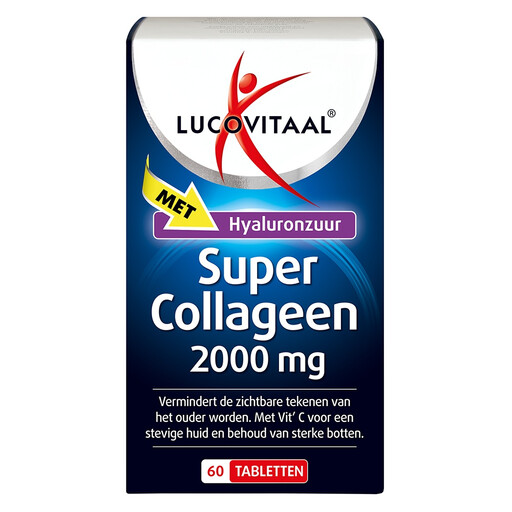
Why it suits this profile: A straightforward starting point with one daily serving of two tablets and a pack lasting approximately 30 days.
The daily amount is clearly stated: 2000 mg of collagen, 80 mg of vitamin C and 40 mg of hyaluronic acid per dose.
60 tablets, hydrolysed collagen and added vitamin C.
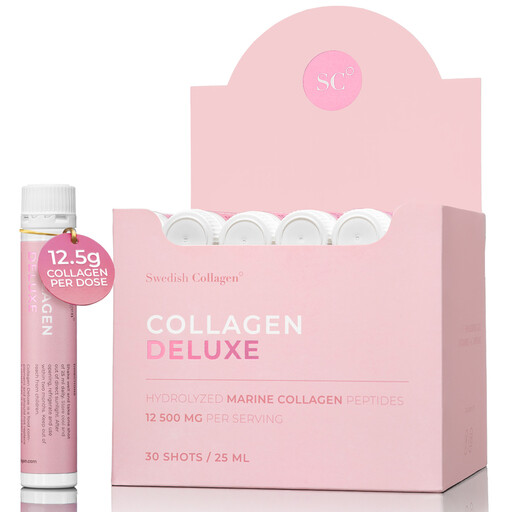
Why it suits this profile: For users who prefer a pre-measured liquid serving to capsules or powder.
The serving is stated per shot: 25 ml containing 12.500 mg of hydrolysed marine collagen. Do note the statement that it may contain fish.
30 ready-to-drink shots with hyaluronic acid, vitamin C, biotin and vitamin D according to the product description.
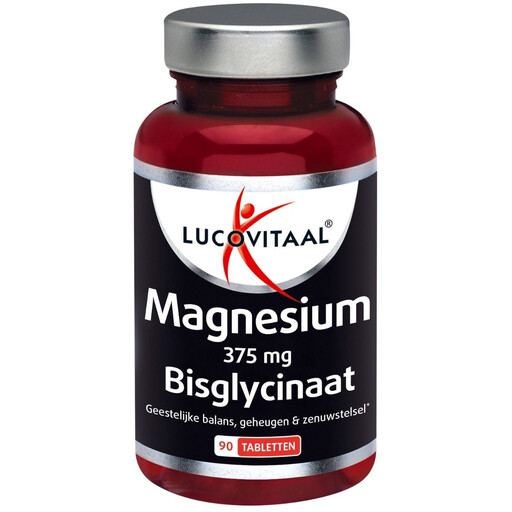
Why it suits this profile: A targeted mineral choice for adults looking for magnesium bisglycinate rather than a broad multivitamin.
The form, amount and directions for use are clearly stated: two tablets provide a total of 375 mg of magnesium.
90 tablets, vegan according to the product information and free from the 14 major EU allergens.
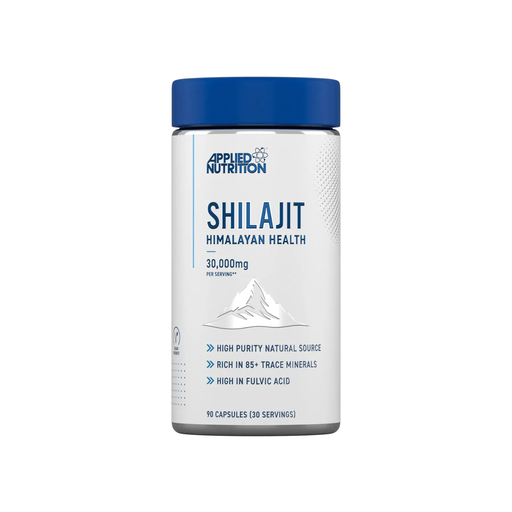
Why it suits this profile: For adults specifically looking for shilajit capsules with a plant-based capsule and a stated extract ratio.
The description states 1500 mg of extract per daily serving of three capsules and explains that 20:1 describes the concentration of the extract, not its effects automatically.
90 vegan capsules, standardised to 60% fulvic and humic acids and halal-certified according to the product information.
Before ordering, create a simple overview with three columns:
For hair and skin, you will often come across terms such as collagen supplement, biotin supplement and hair vitamins. For general vitality, multivitamins or a separate vitamin C supplement may be suitable options. If you use few animal products, you may want to look for vegan food supplements, but check the capsule shell, allergens and any animal-derived ingredients for each product.
There are different dosages of vitamin D3. Lucovitaal Vitamin D3 25 mcg 120 capsules, for example, contains 25 mcg per capsule, while the 75 mcg version states a higher amount per capsule. The right dosage depends on your personal circumstances and, where appropriate, advice from a healthcare professional.
We have put together a complete, up-to-date list of products that fully meet these strict selection criteria and the applicable European safety regulations.
This varies depending on the product, dosage and your personal circumstances. Follow the instructions on the label and do not exceed the recommended daily amount. Also check the use-by date and store the supplement as directed, usually in a cool, dry place away from direct sunlight.
Sometimes, but first check the ingredients per daily serving. Multivitamins in particular may already contain vitamin D3, vitamin B12, biotin, iron, zinc and copper. If you take medication, are pregnant or breastfeeding, or have a medical condition, it is advisable to consult a doctor or pharmacist.
Gummies are often easy to take and may have a pleasant flavour, while capsules usually contain fewer sweeteners. Neither form is automatically more suitable. Compare the active ingredient amount, excipients, allergens, storage instructions and cost per daily serving.
