
Vandaag of morgen in huis

Kwaliteit gegarandeerd

Welkomstaanbiedingen ontgrendelen: GRATIS bezorging | Tot 80% korting | Gratis 30 dagen JoyPlus-proefperiode
Download de app
Food supplements often seem easy to compare: choose a tub with lots of capsules, a high dosage or a prominent health claim. In practice, these factors say little about whether a product is right for your needs. The best choice depends on the ingredients, recommended daily dosage, allergens and ease of use.
This applies to vitamins and minerals, multivitamins, omega 3 capsules, probiotics, protein powder and supplements for children. By checking these points, you can avoid paying for ingredients you do not need or buying a product that does not suit your diet.
A bigger number on the packaging attracts attention, but more is not automatically more useful. Always check the amount per recommended daily dosage. For some products, the daily intake is one tablet, while for others it is two or three capsules.
Also compare the format. A pack containing 120 capsules may seem good value, but if the recommended dosage is four capsules a day, it contains fewer days’ supply than you might expect.
A long ingredients list does not mean that a supplement is better suited to your needs. A multivitamin containing 22 nutrients can be practical if you want to combine several vitamins and minerals. If you are only looking for vitamin D, a product with one clearly stated active ingredient may be more suitable.
Also look out for duplicate intake. Anyone combining a multivitamin, vitamin C and a mineral complex may be taking the same nutrients several times over.
Terms such as ‘high-dose’, ‘acid-resistant’, ‘vegan’ or ‘natural’ only have value when the product information supports the claim. Check the ingredients, allergens, dosage and target audience on the label.
Claims about, for example, supporting the immune system, muscles, bones or normal heart function should be read as information from the product description or as an authorised nutrition claim. They are not a guarantee of a personal result and do not replace a varied diet or medical advice.
Make a note of the following for each product:
With omega 3, for example, the EPA and DHA content is more important than the total weight of fish oil alone. The product information for Lucovitaal states 1.204 mg of omega 3 per two capsules, including 600 mg of EPA and 400 mg of DHA. Davitamon states 552 mg of EPA and 416 mg of DHA per two capsules. This makes the comparison more meaningful.
Check whether the product suits your lifestyle:
Collagen powder, for example, is derived from bovine collagen and therefore is not suitable for a vegan diet. According to the product information, Vital Proteins contains one ingredient: bovine collagen peptides. It may be gluten-free, but could contain milk.
A supplement only works as part of the daily routine stated on the label. Choose a format that fits into your routine:
Also check the storage instructions. Probiotics may have specific storage requirements, such as refrigeration after opening. Keep all food supplements out of the reach of young children.
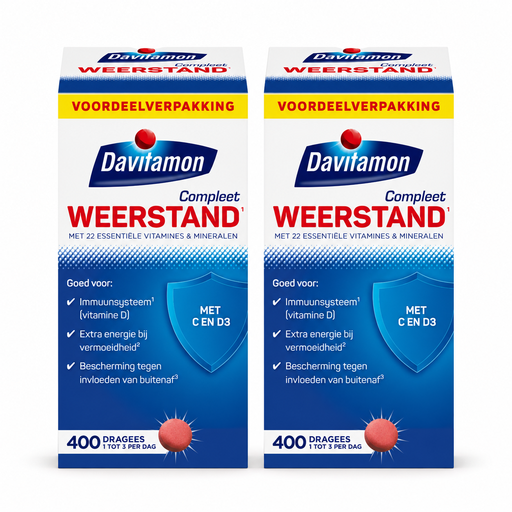
Why it suits this profile: A large twin pack with a broad formulation for adults who want to combine several vitamins and minerals in one product.
The product information lists 22 nutrients, a recommended intake of 1–3 dragees and a sugar-free formula. However, check that you are not getting similar nutrients from other supplements.
Twin pack with 800 dragees in total; according to the product information, free from gluten, lactose and gelatine.
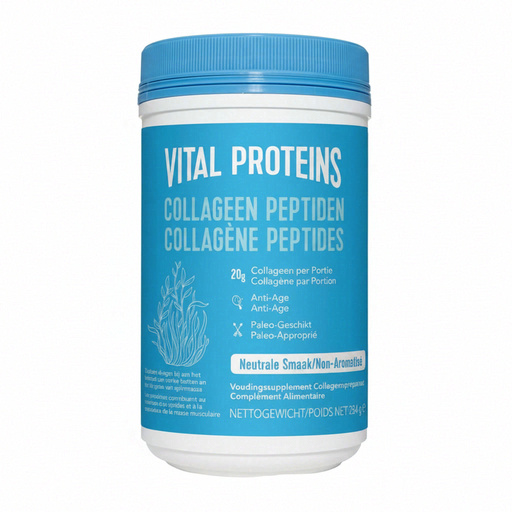
Why it suits this profile: Suitable for adults looking specifically for collagen powder with a short ingredients list and flexible preparation options.
The dosage is clearly specified: 20 grams per serving and 14 servings per pack. The unflavoured formula means you are not limited by a strong taste.
20 grams of bovine collagen peptides per serving; gluten-free according to the product information and suitable for mixing with hot or cold drinks.
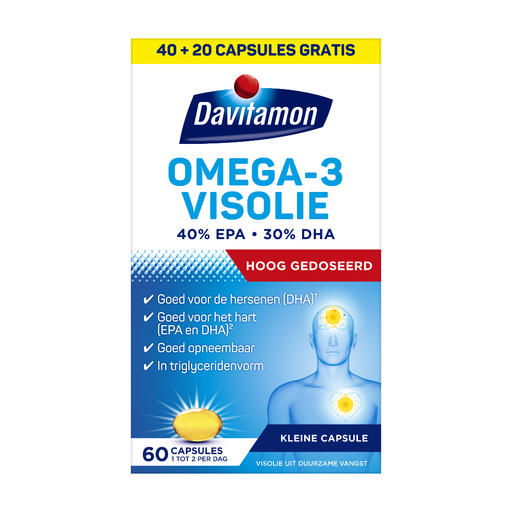
Why it suits this profile: A practical choice for adults who specifically want to compare omega 3 capsules with separate EPA and DHA values.
The product information breaks the amount down into fish oil, omega 3, EPA, DHA and vitamin E. This means you do not have to rely solely on the term ‘high-dose’.
The label states 552 mg of EPA and 416 mg of DHA per two capsules; the capsules contain fish and bovine gelatine.
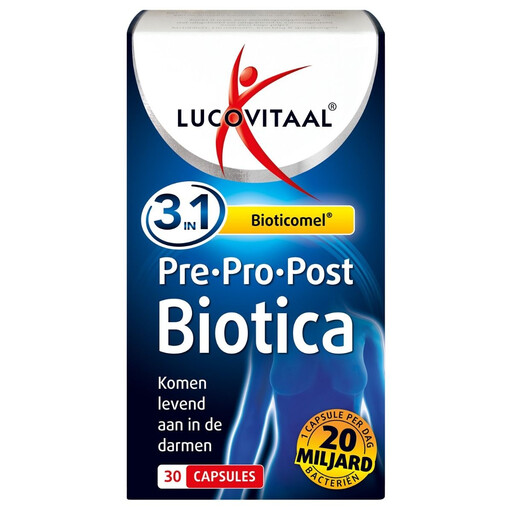
Why it suits this profile: Designed for adults who want to combine probiotics, prebiotics and postbiotics in one vegan capsule.
The product information identifies six bacterial strains, 20 billion live bacteria, prebiotics and postbiotics. The recommended dosage remains one capsule per day.
Vegan capsule pack containing 30 capsules; according to the product information, refrigeration is recommended after opening.
We have put together a complete, up-to-date list of products that fully meet these strict selection criteria and the applicable European safety regulations.
This varies according to your age, diet, lifestyle and personal circumstances. Not everyone automatically needs a multivitamin, vitamin C or omega 3. First check which nutrients you already get from your diet. If you are pregnant, take medication, have a medical condition or are unsure, it is sensible to consult a doctor or pharmacist.
Check the date and storage instructions on the packaging. Capsules and tablets should generally be stored in a dry, cool place away from direct sunlight. Seal powders properly to prevent moisture getting in. Probiotics may have additional instructions, such as refrigeration after opening. Do not use a product if its packaging is damaged or if the shelf-life information is missing.
Not always. Supplements for children often have a different dosage and formulation. Check the stated age carefully. Some products are suitable from the age of three or six under adult supervision, while others are intended exclusively for adults. Never give children an adult dosage without due consideration, and keep supplements out of their reach.
