
Vandaag of morgen in huis

Kwaliteit gegarandeerd

Welkomstaanbiedingen ontgrendelen: GRATIS bezorging | Tot 80% korting | Gratis 30 dagen JoyPlus-proefperiode
Download de app
Food supplements can seem easy to compare: choose a multivitamin, a tub of probiotics or a protein powder, then follow the dosage instructions. In practice, products vary widely in ingredients, amounts of active ingredients, ease of use and suitability for your needs. A high dose or a long ingredients list doesn’t tell you much on its own.
There are three main pitfalls for consumers in the Netherlands:
Don’t just compare the number of capsules or tablets. Focus on the daily serving. For example, a tub containing 120 capsules may last 60 days if the recommended dose is two capsules a day. Other products may require three capsules for one daily serving.
Check:
With omega-3, for example, it’s important to distinguish between total fish oil and the individual amounts of EPA and DHA. With protein powder, compare the protein per serving, calorie content and any allergens. A mass gainer also generally contains plenty of carbohydrates and calories, so it’s suited to a different goal from regular whey.
The chemical or nutritional form can affect how a supplement is used and whether it’s suitable for you. Examples include:
Check the excipients, sweeteners and allergens too. Fish oil contains fish, while whey contains milk. Some products contain gelatine, while others use hydroxypropyl methylcellulose capsules. So check that “vegan” or “vegetarian” is stated in the product information rather than relying on the product photo.
A multivitamin is different from a targeted product. Think about how you plan to use it:
Claims about supporting things such as immunity, energy or skin are only permitted when they comply with the applicable European rules. A product description or brand may refer to an effect, but don’t present it as a personal medical result. For example, according to the manufacturer’s product information, some products link vitamin D to specific permitted nutrition claims. That doesn’t mean every supplement is necessary for every user.
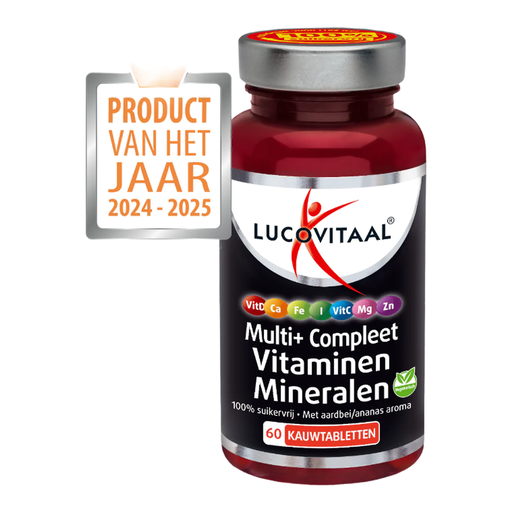
Why it suits this profile: An accessible choice for adults who want to combine several vitamins and minerals in a chewable tablet. The product information says it can be used from the age of 3; check the label for the appropriate dose for each age group.
The ingredients list shows which vitamins and minerals have been added. This lets you compare the formula based on its contents, rather than relying on the word “complete”.
Chewable tablets, with a daily serving of two tablets for adults and children over 12, and no artificial flavourings or colourings, according to the product description.
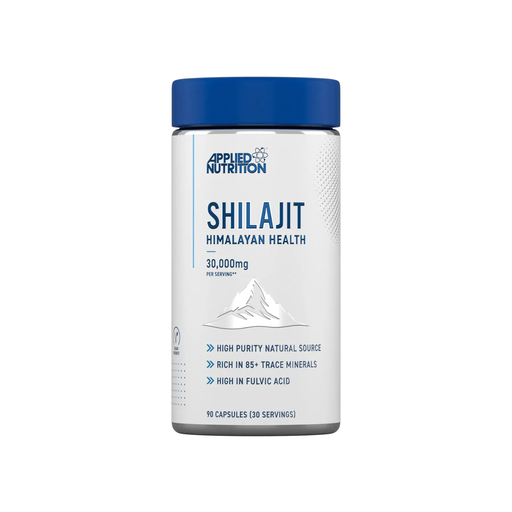
Why it suits this profile: For adults looking for a plant-based supplement with detailed extract information and manufacturing certifications.
The product information states that each daily serving contains 1.500 mg of shilajit extract, a 20:1 extract and a standardisation of 60% fulvic and humic acids. The extract ratio isn’t presented as proof of effectiveness.
Vegan capsules, halal-certified according to the product information, and made in facilities certified to ISO 22000, BRC and GMP standards.
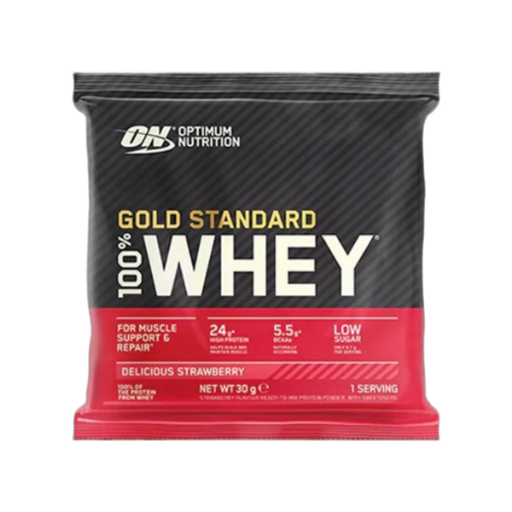
Why it suits this profile: Handy for sportspeople and active people who want to take pre-portioned servings to work, on the go or to the gym.
The sachets make the serving size clear: the product information states that each serving contains 24 grams of whey protein and fewer than 120 calories. Check for milk ingredients and sweeteners too.
24 individual servings, whey as the main ingredient and a practical format for after training or as a way to supplement your daily protein intake.
We’ve put together a complete, up-to-date list of products that meet these strict selection criteria and the applicable European safety requirements.
That depends on the expiry date, dosage and storage conditions. In general, store capsules and tablets in a cool, dry place away from direct sunlight. Probiotics may have additional storage instructions, such as refrigeration after opening. Always check the packaging, close the container securely and don’t use a product if the seal is damaged.
This can’t be recommended without checking first. Compare the ingredients in all the products. A multivitamin, for example, may already contain vitamin D3, zinc, selenium and B vitamins. Only combine targeted products if the total daily intake is in line with the directions on the label. If you take medication, are pregnant or breastfeeding, or have a medical condition, it’s a good idea to speak to a doctor or pharmacist.
A supplement is no substitute for a varied diet and healthy lifestyle. Your needs depend on your individual circumstances, diet and age. For example, vegans may want to pay particular attention to nutrients that are less common in their diet, while over-50s should check the dosage and target group for a multivitamin. Choose a product based on a specific goal and the full product information, not just an appealing claim.
Product formulas, packaging and directions for use may change. Always check the latest label, allergen information and warnings before use.
