
Vandaag of morgen in huis

Kwaliteit gegarandeerd

Welkomstaanbiedingen ontgrendelen: GRATIS bezorging | Tot 80% korting | Gratis 30 dagen JoyPlus-proefperiode
Download de app
Food supplements come in many forms, from a simple multivitamin to a magnesium supplement, omega 3, herbal extract or sports drink with electrolytes. The wide range of options can make comparison difficult. An eye-catching label, high dosage or promise relating to energy and immunity does not automatically mean that a product suits your diet or lifestyle.
As a Joybuy Product Recommendation Officer, I therefore focus mainly on verifiable information: the ingredients, dosage, allergens, capsule format, duration of use and target group. This helps you avoid paying for a formula you do not need.
More milligrams do not automatically mean greater value. With vitamins and minerals, you should look at the amount per recommended daily dosage, rather than only the amount per capsule. Also check the percentage of the reference intake, and do not simply combine several products containing the same nutrients.
For example, a multivitamin may already contain vitamin C, magnesium, zinc and vitamin D. If you then add separate vitamin C and a magnesium supplement, you need to add up your total intake.
Phrases such as “supports energy”, “for immunity” or “good for joints” depend on the context. Based on a brand’s own research or the product description, a product may support a particular function, but this is not a guarantee of a personal result.
A supplement cannot replace a varied diet either. Do you have a medical condition, take medication, are you pregnant or are you breastfeeding? If so, discuss using the product with a doctor or pharmacist first.
A product may appear interesting in terms of its contents, yet still not suit your dietary pattern. Pay attention to the following:
Do not compare only the name of an ingredient; look at its form as well. Magnesium, for example, may be available as oxide, citrate or bisglycinate. The product information should clearly state how much magnesium or another nutrient you receive per daily dosage.
For omega 3, it is useful to look at EPA and DHA separately, rather than only at the total amount of fish oil. For a herbal product such as turmeric curcumin, the amount of extract and any standardisation are important. Applied Nutrition Shilajit, for example, states that it contains a 20:1 extract and 60% fulvic and humic acids. A 20:1 ratio describes the concentration of the extract, not its effects automatically.
The same pack may last for different lengths of time depending on the dosage. A tub containing 90 capsules does not always last 90 days. Opti-Men states that three tablets should be taken per day, while Lucovitaal Multi Man Complete 50+ recommends one tablet per day.
Therefore, check:
A general product is not always practical for a vegan, athlete, man, woman or over-50s user. For vegan supplements, DHA from microalgae can be an alternative to fish oil. Sports nutrition containing carbohydrates and electrolytes is mainly suited to prolonged exercise, and not automatically to a relaxed daily routine.
Also pay attention to combinations. A product containing iron may be useful in a specific dietary situation, but additional iron is not needed by everyone. First look at the composition of your current diet and other supplements.
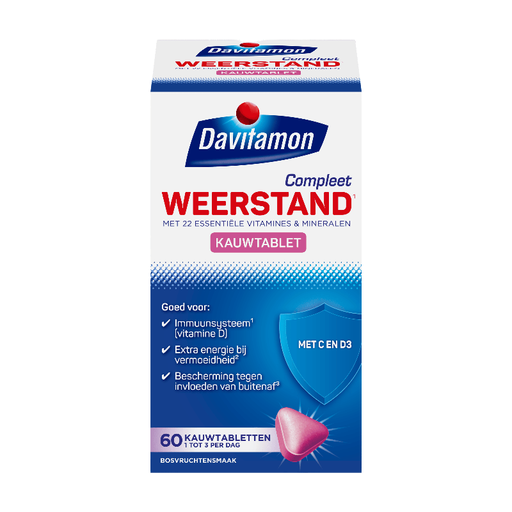
Why it suits this profile: The chewable tablets offer a simple way to combine several vitamins and minerals in one product. According to the product information, the formula contains vitamin C, vitamin D, zinc, selenium and iron, among other nutrients.
The recommended amount is given as a range: 1 to 3 tablets per day. This allows you to compare your intake with your diet and other products, rather than focusing only on an eye-catching dosage.
Chewable tablet, forest fruit flavour, sugar-free according to the product information, and a broad combination of vitamins and minerals.
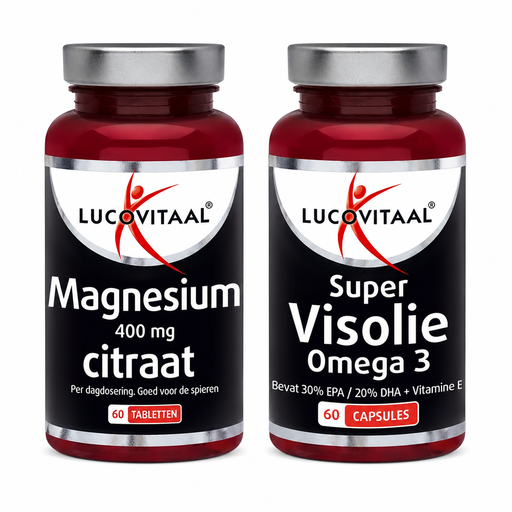
Why it suits this profile: This bundle combines fish oil with magnesium citrate. The product information specifies 600 mg EPA, 400 mg DHA and 400 mg magnesium per daily amount.
The amounts of EPA, DHA and magnesium are listed separately. However, check that fish and soya are suitable for you before ordering.
Two complementary products in one bundle, with specified EPA, DHA and magnesium values.
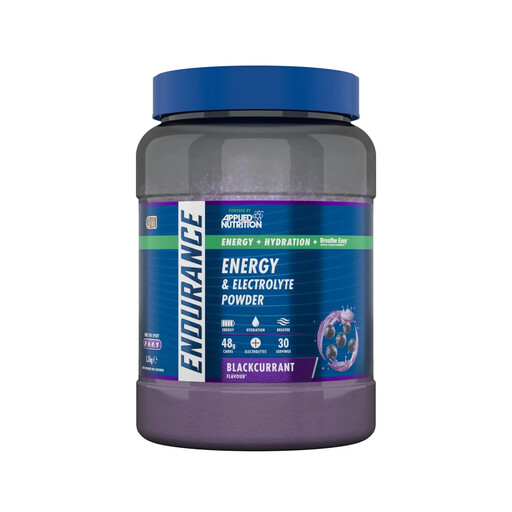
Why it suits this profile: This powder is intended for adults who take part in prolonged exercise. According to the product information, each 50-gram serving provides 47.8 grams of carbohydrates and electrolytes from, among others, sodium, potassium, calcium and magnesium.
The serving size, mixing ratio and nutritional values are clearly stated. This makes it easier to assess whether you actually need a carbohydrate and electrolyte powder.
1.5 kg pack, approximately 30 servings of 50 grams, and suitable for vegan and gluten-free diets according to the product information.
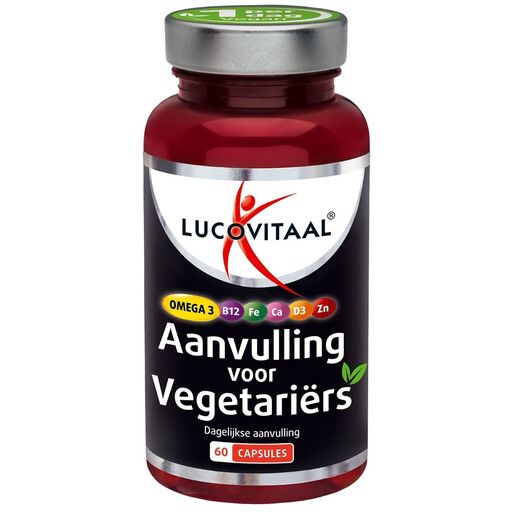
Why it suits this profile: According to the product information, the capsule contains DHA from microalgae, as well as vitamin B12, vitamin D3, iron, calcium, iodine and zinc.
The source of the DHA is stated, so you do not have to rely solely on the word “vegan”. Always check the current packaging for ingredients and allergens.
One capsule per day, 250 mg DHA from microalgae, and a combination suited to a vegan diet.
We have put together a complete, up-to-date list of products that fully meet these strict selection criteria and the applicable European safety regulations.
That depends on your diet, age, lifestyle and any deficiencies. A multivitamin is not automatically necessary if you eat a varied diet. First check which nutrients you already consume, and avoid taking duplicate nutrients from several products.
Check the best-before date on the packaging and follow the manufacturer’s storage advice. Close tubs securely, store capsules and tablets in a dry place, and keep products out of the reach of children. It is best not to use a supplement that is damp, discoloured or damaged.
Calculate the price based on the recommended daily dosage. Divide the price by the number of daily servings, not just by the number of capsules. For example, a pack of 60 capsules may last 30 days when the dosage is two capsules per day. This allows you to compare the actual cost of products more fairly.
