
Vandaag of morgen in huis

Kwaliteit gegarandeerd

Welkomstaanbiedingen ontgrendelen: GRATIS bezorging | Tot 80% korting | Gratis 30 dagen JoyPlus-proefperiode
Download de app
Looking to buy food supplements for everyday vitality, sport, hormonal balance or a specific diet? It’s tempting to focus on words such as “high-strength”, “natural” or “detox”. But these terms don’t always tell you how much of the active ingredient you’ll actually get, or whether a product is right for you.
That’s why a good choice starts not with the packaging, but with your goal, the ingredients and the recommended dose.
A formula containing lots of vitamins, minerals and plant extracts may seem comprehensive, but it can also overlap with other products. For example, if you combine a multivitamin with a separate zinc supplement, magnesium and a sports formula, you could end up taking the same nutrients several times over.
So always check:
Plant extracts such as maca, ginkgo, ashwagandha, shilajit and sage each have their own composition. Brands may attribute various functions to them in their own information, but health claims for certain botanical ingredients haven’t always been approved in Europe. So don’t treat such claims as proven effects.
Also look out for possible interactions with medicines, allergens and warnings about pregnancy, breastfeeding or existing health conditions.
A product containing a large amount per tablet may seem appealing, but a high dose can also leave you less flexibility to adjust how much you take. Some products also require you to spread your daily intake across several tablets or capsules.
Don’t just look at the figure on the front of the pack; check the full daily dose. This is the amount you’re advised to take each day according to the label.
Start with a specific question. If you’re looking for general support, multivitamins may be a better choice than a single mineral. There are formulas such as Centrum Select 50+ for adults aged 50 and over, while supplements for women and supplements for men may focus on different needs.
Examples of what you could look for include:
Tablets, capsules, powders and chewable tablets all differ in how easy they are to use. Check:
With creatine, for example, the amount of creatine per serving matters more than the total weight of the pouch. For a multivitamin, the number of tablets is only useful if you also know how many to take each day.
Vegan, vegetarian, halal, gluten-free and lactose-free are not interchangeable labels. Check the ingredients list and the label, especially for fish oil, gelatine, milk derivatives and capsule shells.
A product description may also differ from the packaging. So always check the latest product information before use. This is particularly important for products containing ingredients such as fish oil, herbal extracts, iodine, iron or green tea extract containing caffeine.
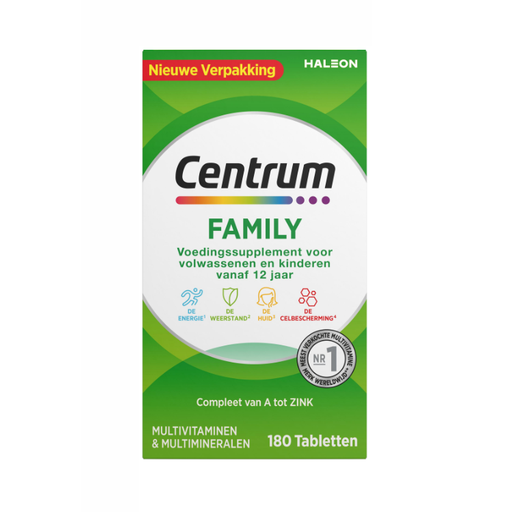
Why it suits this user: The pack contains 180 tablets and is intended for adults and children aged 12 and over. The recommended amount is one tablet a day, preferably with a meal.
The ingredients and amounts per tablet are listed, so you can compare the formula without relying solely on marketing terms.
180 tablets, multiple vitamins and minerals, and gluten-free and lactose-free according to the product information.
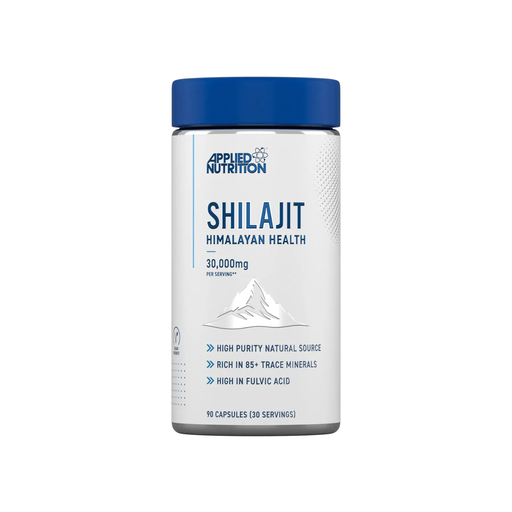
Why it suits this user: This formula is aimed at adults looking for a vegan capsule and a standardised extract. The daily dose is three capsules.
The 20:1 ratio and standardisation to 60% fulvic and humic acids are stated. An extract ratio on its own doesn’t mean the product is more effective.
90 vegan capsules, 1,500 mg of extract per daily dose and halal-certified according to the product description.
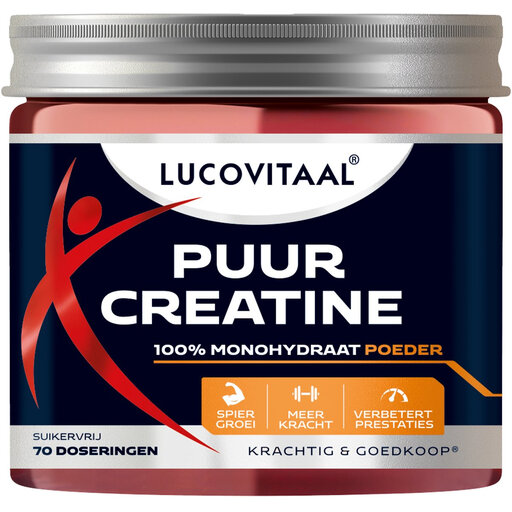
Why it suits this user: According to the product information, this powder contains 100% creatine monohydrate and is intended for sportspeople who want to measure out their own dose.
The ingredients are straightforward: creatine monohydrate only. This means there’s less chance of unintentionally doubling up on extra vitamins or herbs.
210 grams, vegan and sugar-free according to the product information; the recommended amount in the description is 3,000 mg a day.
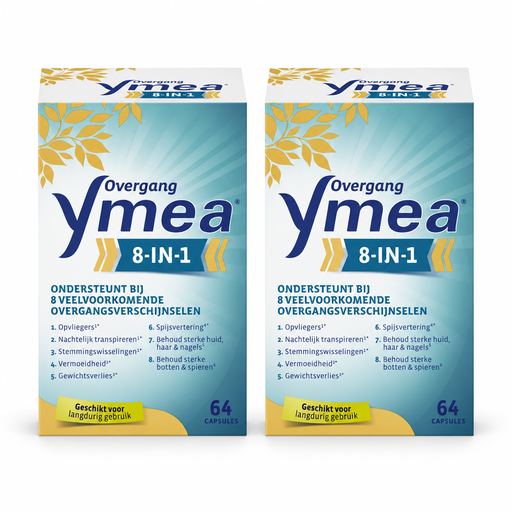
Why it suits this user: The formula contains sage, maca, zinc, vitamin B6 and vitamin D3, among other ingredients. The recommended intake is two capsules a day.
The formula lists the amounts per daily dose and includes warnings about taking medicines and having hormone-sensitive conditions.
128 capsules per pack, gluten-free, lactose-free and gelatine-free according to the product description.
We’ve put together a complete, up-to-date list of products that meet these strict selection criteria and the relevant European safety regulations.
It depends on the product, ingredient and your personal circumstances. Follow the recommended dose and any usage period stated on the label. Stop taking the product if you experience an unwanted reaction, and ask a doctor or pharmacist for advice if you take medicines or have a medical condition.
Sometimes, but check for ingredients that appear more than once first. Vitamin D, magnesium, zinc, iron and vitamin B6 can be included in several formulas. Add up the daily amounts and follow the instructions on the packaging.
Your monthly cost depends on the price per pack and the number of daily servings. Divide the price by the number of recommended days of use. A pack containing lots of tablets isn’t automatically better value if you need to take several tablets a day. Food supplements should also complement a varied diet, not replace it.
