
Vandaag of morgen in huis

Kwaliteit gegarandeerd

Welkomstaanbiedingen ontgrendelen: GRATIS bezorging | Tot 80% korting | Gratis 30 dagen JoyPlus-proefperiode
Download de app
Choosing a tub of food supplements seems simple, until you start comparing labels. One formula contains dozens of vitamins and minerals, while another focuses on vitamin C, vitamin D3, zinc, ginseng or herbal extracts. Marketing terms such as “extra strong”, “high absorption” and “for immune support” do not always make it easier to compare products.
As a Joybuy Product Recommendation Officer, I focus on information you can check: the ingredients, dosage, form, intended users and warnings. This helps you avoid paying for ingredients you do not need or buying a product that does not suit your diet.
A large number on the packaging catches your eye, such as 1,000 mg of vitamin C or a high percentage of the reference intake. However, more is not always necessary. First check which nutrient the product contains, how much you take each day and whether you already use another product containing the same vitamin or mineral.
A high amount of vitamin C can cause gastrointestinal discomfort in people who are sensitive to it. Follow the recommended dosage and do not simply combine several multivitamins, vitamin C products and immune support supplements.
Brands often describe herbs such as echinacea, ginseng, turmeric and 5-HTP using terms such as immune support, energy or sleep. According to the manufacturer's product information, some claims about herbs are still being assessed by the European Commission. So do not present such claims as established medical facts.
There are approved EU health claims for vitamins and minerals, provided the relevant conditions are met. For example, vitamin C, vitamin D, zinc and selenium can contribute to the normal function of the immune system. A supplement is no substitute for a varied diet or healthy lifestyle.
When choosing vegan food supplements, check more than just the logo: look at the ingredients list and capsule shell too. Some products are suitable for vegans, while other capsules may contain gelatine, beeswax or other animal-derived ingredients. Also check for allergens, sweeteners and the recommended age.
Compare the amount per daily dose, not just per capsule or tablet. A product that requires one capsule a day may be more practical than a formula that requires you to take three tablets. Also check the reference intake, abbreviated as RI. This percentage helps you compare products, but it does not tell you by itself which product you need.
Multivitamins often contain vitamin A, B vitamins, vitamin C, vitamin D3, vitamin E and minerals such as zinc, iron, calcium and magnesium. A formula for the over-60s may also focus on vitamin D, calcium, zinc and selenium. Check that the dosage suits your age and diet.
Capsules are compact and usually easy to take with you. Effervescent tablets dissolve in water and can be handy if you would rather not swallow capsules. Gummies and chewable tablets are easy to take, but check the sweetener content and storage instructions.
Also check the recommended directions for use: whether to take the supplement during or after a meal, with plenty of water, or at a particular time of day. It is especially important to read the warnings carefully for herbs such as ginseng, echinacea and turmeric.
A product for adults is not automatically suitable for children, pregnant women or women who are breastfeeding. If you take blood thinners, immunosuppressants or other medicines, it is a good idea to consult a doctor or pharmacist first. This applies, for example, to products containing ginseng, echinacea, turmeric or melatonin.
Also check whether a formula suits your dietary choices. According to the product information, Lucovitaal Vegan Supplement contains DHA from microalgae, vitamin B12, iron, calcium, zinc, vitamin D3 and iodine, among other ingredients. This makes it relevant for someone following a plant-based diet, but always check the current label.
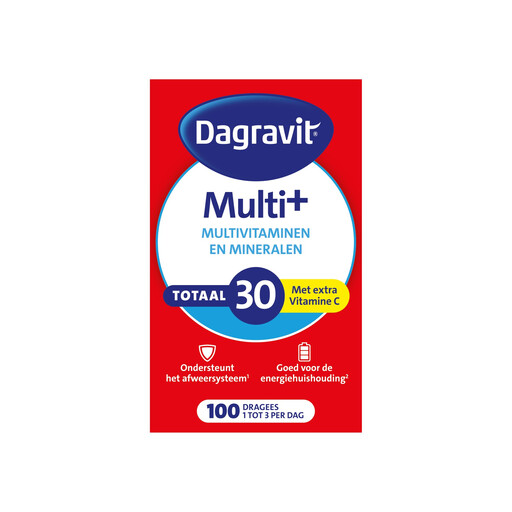
Why it suits this profile: A comprehensive multivitamin for adults and certain age groups, with a recommended intake of 1 to 3 tablets a day.
Nutritional values are listed per daily dose, so you can tailor the dosage rather than relying on marketing terms alone.
Contains a range of vitamins and minerals, including vitamin C, vitamin D3, iron, zinc, selenium and magnesium.
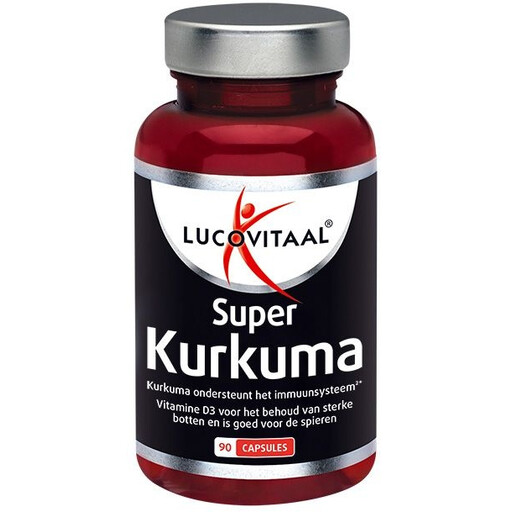
Why it suits this profile: For adults looking specifically for turmeric capsules who prefer to take one capsule a day with a meal.
The amounts of curcumin, vitamin C and vitamin D3 are listed separately. The claim about higher absorption comes from Lucovitaal's own product information and is not an established medical fact.
Contains 40 mg of curcumin per capsule, plus 12 mg of vitamin C and 12 µg of vitamin D3; according to the product information, it is suitable for vegans.
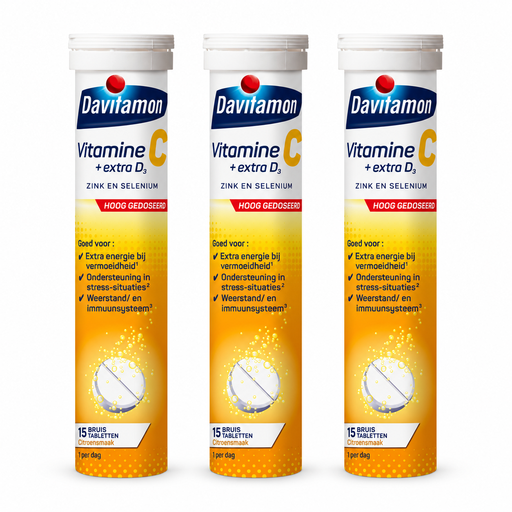
Why it suits this profile: Effervescent tablets are practical for adults who prefer a drink to swallowing capsules or tablets.
The formula lists 600 mg of vitamin C, 5 µg of vitamin D3, 55 µg of selenium and 10 mg of zinc per tablet. This makes it easy to check what's in the combination.
One effervescent tablet a day, lemon flavour, sugar-free according to the product information, and free from gluten and lactose.
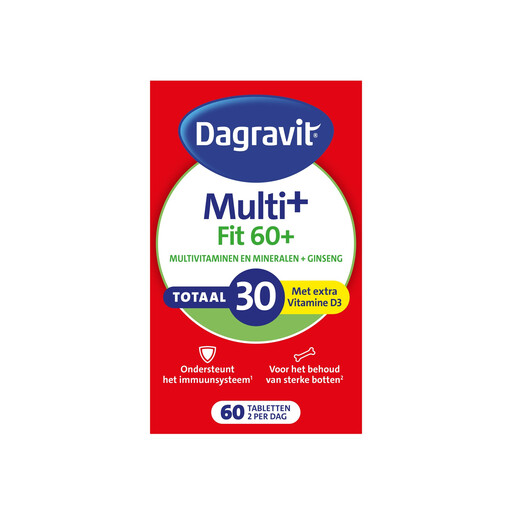
Why it suits this profile: According to the product information, this formula is designed for adults aged 60 and over, with a daily dose of two tablets.
The intended users and dosage are clearly stated. However, check the warnings about blood thinners and other medicines because the formula contains ginseng.
Contains vitamin D3, calcium, vitamin C, zinc, selenium and 100 mg of Panax ginseng per daily dose.
We have put together a complete, up-to-date list of products that meet these strict selection criteria and the applicable European safety regulations.
Look for an explicit vegan label and check the ingredients list. Vegan food supplements often contain vitamin B12, vitamin D3, iron, calcium, iodine, zinc and sometimes DHA from microalgae. The right choice depends on your diet and personal circumstances.
This can lead to a double intake of the same vitamins or minerals. So compare the labels first, especially for vitamin D3, zinc, iron and vitamin A. If you take medicines or have a medical condition, ask a doctor or pharmacist for advice.
Check the best-before date and follow the storage instructions on the packaging. Capsules, tablets and gummies should generally be stored in a cool, dry place and kept out of reach of young children. Close packaging securely, and take extra care to protect gummies and effervescent tablets from moisture and heat.
