
Vandaag of morgen in huis

Kwaliteit gegarandeerd

Welkomstaanbiedingen ontgrendelen: GRATIS bezorging | Tot 80% korting | Gratis 30 dagen JoyPlus-proefperiode
Download de app
Food supplements can be a practical addition to your daily diet. However, comparing them online is not always straightforward. Eye-catching packaging, a high dose or a promise of more energy and better immunity tells you little on its own about whether a product is right for you.
The key question is not which supplement makes the biggest promises, but which formulation, dosage and format suit your needs. Options include vitamin D3 for bones and muscles, magnesium to supplement your daily diet, vitamin C for the immune system, or probiotics and psyllium husk for digestion.
A large number on the packaging catches your eye. Vitamin C, for example, often comes in 1000 mg capsules or effervescent tablets. Vitamin D3 is available in doses of 10, 20, 25 and 75 micrograms. So first compare the recommended daily dose and check whether it matches the guidance on the label.
Also watch out for doubling up. A multivitamin, a separate magnesium product and an energy supplement may contain some of the same vitamins or minerals.
Claims such as “extra strong”, “185 times better absorption” or “protects against ageing” come from product marketing. Don’t treat them as guaranteed results. A brand’s own research, for example, may show that a particular formulation is better absorbed, but that doesn’t automatically mean everyone will experience the same effect.
Check that the claim on the label complies with European rules on nutrition and health claims. A supplement is also no substitute for a varied diet, enough sleep or medical treatment.
Not everyone wants to swallow capsules. Effervescent tablets, gummies, chewable tablets, lozenges and powders are practical alternatives. Check the sweeteners, allergens and flavourings, as well as how the product should be stored.
If you follow a vegan diet, pay particular attention to the capsule shell. Gelatine isn’t vegan, even if the active ingredient itself is plant-based. Always check the full ingredients list rather than just the front of the pack.
First, note how much active ingredient you get in your daily serving. With magnesium, the difference may be between the weight of the compound and the amount of elemental magnesium. For example, Lucovitaal Magnesium Citrate states that two tablets provide 400 mg of magnesium per daily dose. So don’t rely on the number in the product name alone.
Different vitamin D3 options are available. The D3 gummies contain 25 micrograms per gummy, while Dagravit chewable tablets provide 20 micrograms. A lower dose may be more suitable if you want to top up your intake without combining several products.
Compare capsules, tablets, powders and effervescent tablets for everyday use:
The preparation instructions matter when it comes to psyllium husk. Lucovitaal Colon Phyta Fiber Powder contains 70% psyllium husk and 30% inulin. The product instructions say to drink the mixture straight away. As fibre can affect how medicines work, it’s a good idea to speak to a doctor or pharmacist.
Check:
For herbs such as ashwagandha, turmeric and shilajit, standardisation is relevant. An extract ratio such as 20:1 describes the concentration of the extract, but doesn’t in itself prove that the product works better.
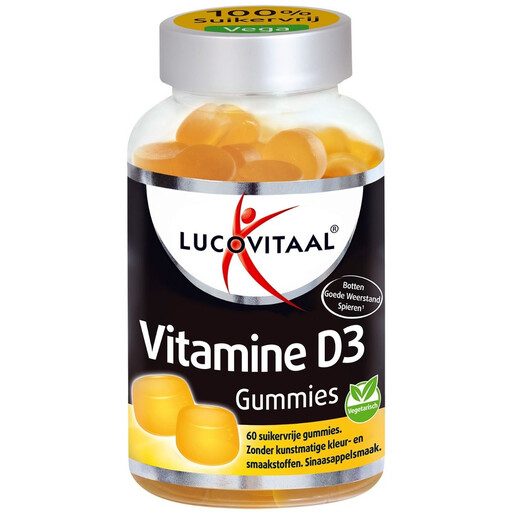
Why it suits this profile: One gummy a day and an orange flavour make this an easy option if you’re new to food supplements.
The dose is clearly stated: 25 mcg of vitamin D3 per gummy, with a maximum of one gummy a day according to the product information.
Vegan gummies, 60 per pack, with no artificial colours or flavourings according to the product listing.
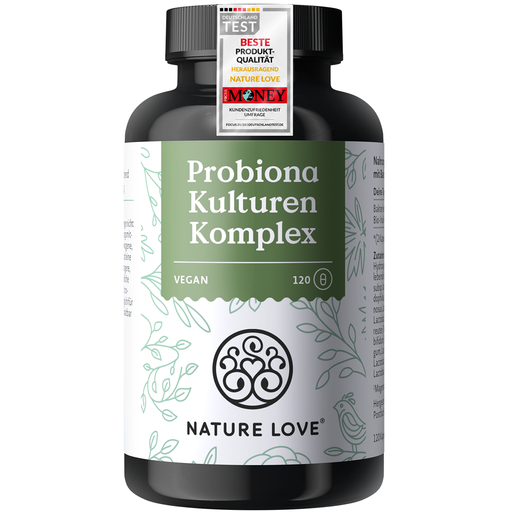
Why it suits this profile: An extensive formula for adults who want to compare bacterial strains, CFU and vegan suitability in detail.
The product information lists 20 bacterial cultures, 20 billion CFU per daily serving and an acid-resistant capsule.
120 vegan capsules, inulin from organic agave and two capsules per daily serving according to the label.
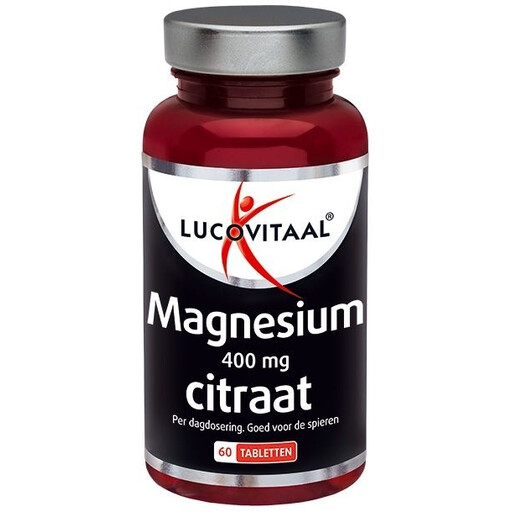
Why it suits this profile: Suitable for adults looking for magnesium specifically to support their diet for muscles, bones and energy.
The daily serving is clearly stated as two tablets, providing 400 mg of elemental magnesium in total.
Magnesium citrate, 60 tablets and a clear dosage for adults.
We’ve put together a full, up-to-date list of products that meet these strict selection criteria and the applicable European safety requirements.
Always check the best-before date and storage instructions on the packaging. Many capsules and tablets should be stored in a cool, dry place away from direct sunlight. Gummies, powders and probiotics may come with additional instructions once opened. Don’t use a product if the packaging is damaged or the seal is missing.
No. Vegan means that no animal-derived ingredients have been used. A product may still contain soya, for example. So check the vegan label, the allergen list and the full ingredients list. If you’re unsure about an allergy, it’s best to ask a doctor or pharmacist for advice.
This can lead to doubling up on the same nutrients. Vitamin C, for example, may be found in a multivitamin, an effervescent tablet and another immune support supplement. So first make a note of the daily dose you get from each product. If you take medicines, are pregnant or breastfeeding, or have a medical condition, speak to a healthcare professional first.
