
Vandaag of morgen in huis

Kwaliteit gegarandeerd

Welkomstaanbiedingen ontgrendelen: GRATIS bezorging | Tot 80% korting | Gratis 30 dagen JoyPlus-proefperiode
Download de app
Buying food supplements seems straightforward, until you have to choose between dozens of options with different dosages, ingredients and usage advice. A high dose or eye-catching claim doesn’t automatically mean a product is right for you. The right choice starts with your goal, the ingredients and how you plan to use the supplement every day.
That applies to vitamins and minerals, as well as collagen supplements, magnesium bisglycinate, omega-3, ashwagandha, protein powder and weight gainers.
A product containing 1000 mg of vitamin C or 1000 mcg of vitamin B12 can quickly catch your eye. But more isn’t always necessary. Compare the dosage with your diet, age and the advice on the label. Check for overlapping ingredients, too: taking a multivitamin alongside a separate iron supplement or vitamin B complex could mean you’re getting more than you need.
The front often features terms such as “high strength”, “pure” or “complex”. The relevant information is usually on the back:
Also check whether a product is suitable for adults, pregnant women, athletes or people over 50. These groups don’t automatically have the same needs.
Food supplements are intended to complement a varied diet. They aren’t a substitute for a balanced meal. If you’re pregnant, taking medication, have a medical condition or think you may have a deficiency, it’s a good idea to speak to a doctor, midwife or pharmacist. This applies, for example, to iron, vitamin K2, ashwagandha and high doses of certain vitamins.
Don’t just compare the number of capsules. Check what you’ll be taking each day according to the usage advice. For example, Lucovitaal Magnesium 375 mg Bisglycinate lists 375 mg of magnesium per two tablets. The product is vegan and contains 90 tablets. According to the product information, magnesium may have a laxative effect.
The form is also relevant when choosing vitamin B12. According to the label, Lucovitaal Vitamin B12 One per Day contains 1000 micrograms of methylcobalamin per chewable tablet and is intended for adults aged 18 and over. A chewable tablet may be more practical if you find capsules difficult to take.
The format can determine how easily a supplement fits into your routine:
When choosing a collagen supplement, it’s useful to compare the amount of collagen per serving. According to the product description, Vital Proteins Marine Collagen Natural contains 12 grams of collagen peptides per serving. The powder is unflavoured, lactose-free and gluten-free according to the stated product specifications, but it contains fish and may contain milk.
A vegan label doesn’t mean a product is suitable for everyone. Always check the full ingredients list. Marine collagen contains fish. Whey protein contains milk and may contain soya. Omega-3 products may contain fish, soya and lactose.
For athletes, the protein and carbohydrate content is more important than a general claim on the front of the pack. Optimum Nutrition 100% Gold Standard Isolate lists 25 grams of protein per 31-gram serving and 31 servings per pack. According to the product information, Optimum Nutrition Serious Mass contains 50 grams of protein and around 250 grams of carbohydrates per serving. This makes a weight gainer most relevant to people who deliberately want to add extra calories, rather than every athlete.
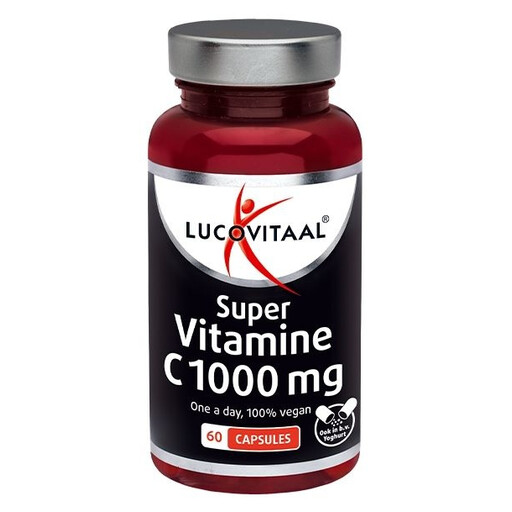
Why it suits this profile: A straightforward supplement with one main ingredient and a recommended daily dose of one capsule. According to the product information, the capsules are vegan.
The amount of vitamin C and the number of capsules are clearly stated, making it easy to compare the price per daily dose.
1000 mg of vitamin C per capsule; 60 capsules; vegan formula according to the stated product specifications.
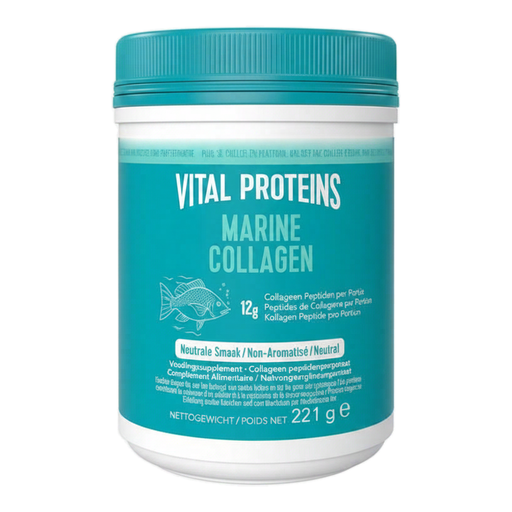
Why it suits this profile: Suitable for adults who want to add collagen powder to a hot or cold drink, smoothie or meal.
The serving size, total weight and number of servings (18) are specified. It’s also clear at a glance that this is marine collagen.
12 grams of collagen peptides per serving; unflavoured powder; lactose-free and gluten-free according to the product specifications.
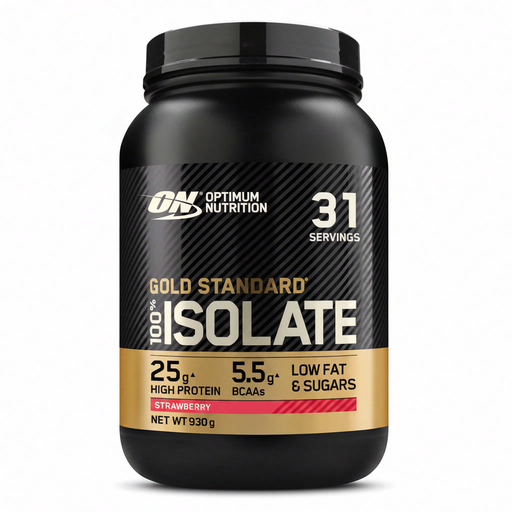
Why it suits this profile: For athletes who want to precisely top up their daily protein intake with a shake after training or between meals.
The nutritional information lists 25 grams of protein, less than 1 gram of carbohydrates and less than 0.5 grams of fat per 31-gram serving.
31 servings per pack; 25 grams of protein per shake; clear information about milk and soya allergens.
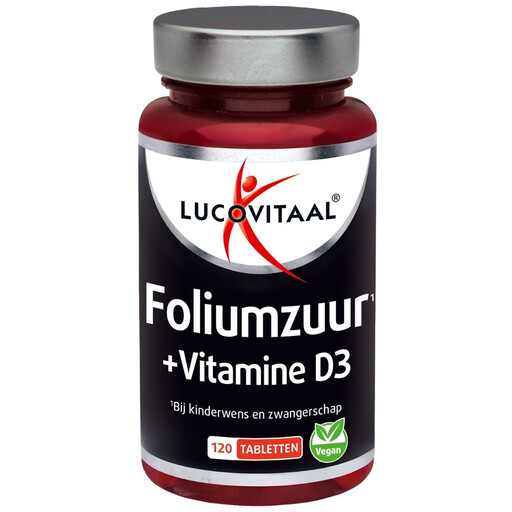
Why it suits this profile: The product description recommends taking it from at least four weeks before conception until ten weeks afterwards.
The formula lists 400 micrograms of folic acid and 10 micrograms of vitamin D3 separately, making it easier to compare.
120 tablets; one tablet a day according to the usage advice; vegan according to the product specifications.
We’ve put together a complete, up-to-date list of products that meet these strict selection criteria and the applicable European safety requirements.
Check the best-before date on the packaging and follow the storage advice. Tablets, capsules and powders should generally be kept in a cool, dry place in a tightly closed container. Opened powder can absorb moisture. Stop using a supplement if its smell, colour or texture has clearly changed.
Tiredness can have various causes. Products containing vitamin B12, vitamin C, magnesium or iron are often sought for this purpose, but a supplement isn’t automatically the right choice. It’s particularly important to seek medical advice before taking iron. Also check whether you’re already taking other vitamins and minerals.
Sometimes, but compare all the labels first. Look out for ingredients that appear in more than one product, such as vitamin D, zinc, magnesium, vitamin B6 and iron. Stick to the recommended dose and ask a healthcare professional for advice if you’re pregnant, taking medication or have a medical condition.
