
Vandaag of morgen in huis

Kwaliteit gegarandeerd

Welkomstaanbiedingen ontgrendelen: GRATIS bezorging | Tot 80% korting | Gratis 30 dagen JoyPlus-proefperiode
Download de app
When you search online for food supplements and healthy snacks, you’ll quickly come across lots of similar-looking packaging and big promises. But a standout claim means little if the serving size, ingredients list or instructions aren’t clear. When it comes to whey protein, multivitamins and protein bars in particular, you could end up paying for a product that doesn’t suit your diet.
Look out for these common pitfalls:
Compare products on the same basis. A whey protein product, for example, may provide 21, 24 or 25 grams of protein per serving, but the servings may vary in weight. So check the protein percentage per 100 g too.
For protein powder, sugar, fat, carbohydrates and calories per serving are also relevant. Optimum Nutrition Gold Standard products, for example, list around 24 grams of protein per serving. According to the product information, it’s a blend of whey isolate, whey concentrate and hydrolysed whey proteins. The claim that protein contributes to the growth and maintenance of muscle mass is an authorised EU health claim, provided the conditions for its use are met.
With a protein drink, convenience may matter more than the protein percentage. According to the label, Optimum Nutrition Protein Water contains 16 grams of whey protein isolate per 350 ml bottle, with 64 kcal and no sugar or fat. That makes it a different option from a creamy shake made with milk or water.
Always check the full ingredients list, especially if you have a food allergy or intolerance. Whey protein usually contains milk, and some varieties also contain soya. Protein bars may also contain nuts, peanuts, gluten, collagen or milk ingredients.
A healthy snack isn’t necessarily low in sugar or calories. According to the product information, the Zonnatura Organic Nut Bar with Apple and Cinnamon contains peanuts, almonds, sultanas, apple and agave syrup, among other ingredients. It lists 24 grams of sugar per 100 g. The bar also contains 19 grams of protein and 7.1 grams of fibre per 100 g. These are figures you can check, but the nuts and syrup still make this an energy-dense snack.
An unsalted nut mix is often low in salt, but its fat and calorie content is still relatively high. g’woon Unroasted Mixed Nuts contains hazelnuts, walnuts, almonds and cashews. According to the product information, the mix contains 0 grams of salt per 100 g, but 663 kcal and 58.7 grams of fat. A small portion may therefore be more practical than eating straight from the bag.
First, decide what you want to use the product for:
For powders, check how much water or milk to use. The Optimum Nutrition varieties mentioned recommend around 180 to 240 ml of liquid per scoop. Applied Nutrition Critical Professional Whey specifies 30 grams of powder with 300 to 400 ml of cold water. These differences in dosage affect the taste, consistency and number of servings.
For supplements, follow the label and don’t exceed the recommended daily dose. Supplements are not a substitute for a varied diet. Speak to a doctor or pharmacist if you take medication, are pregnant or breastfeeding, or have a medical condition. Melatonin tablets, for example, are not intended for children, and the Lucovitaal product mentioned is not recommended during pregnancy or breastfeeding.
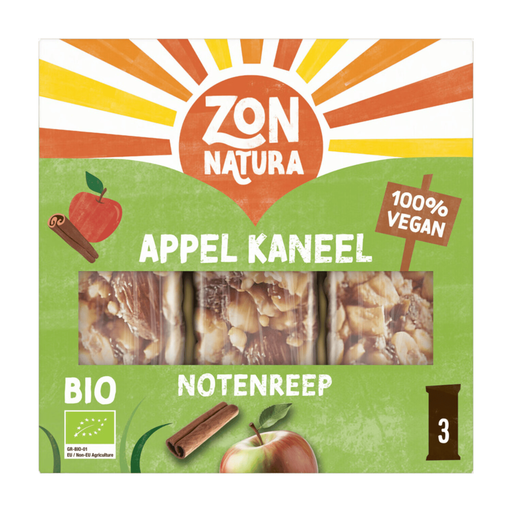
Why it suits this profile: A small pack of three bars is handy for trying a flavour and size before you buy a larger supply.
The ingredients and nutritional values are clearly listed. Be aware that it contains peanuts, almonds and sesame, and may contain traces of other nuts.
Organic, individually portioned, and combines nuts, apple and cinnamon.
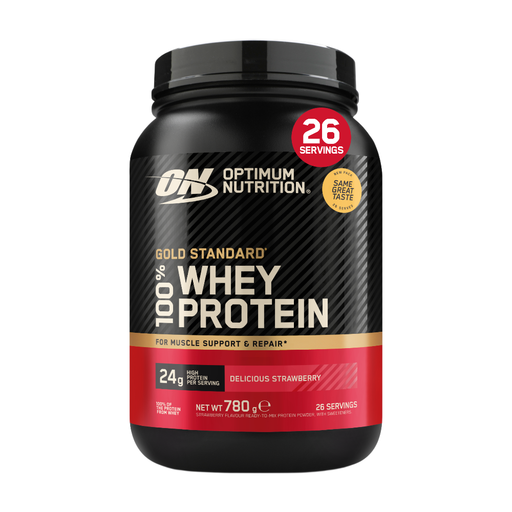
Why it suits this profile: Suitable for adults who train regularly and want a larger pack with a set serving size.
Nutritional values are provided per serving and per 100 g. Before buying, check the current ingredients list and allergen information on the packaging.
Around 24 grams of protein per serving, with whey isolate, concentrate and hydrolysed whey proteins.
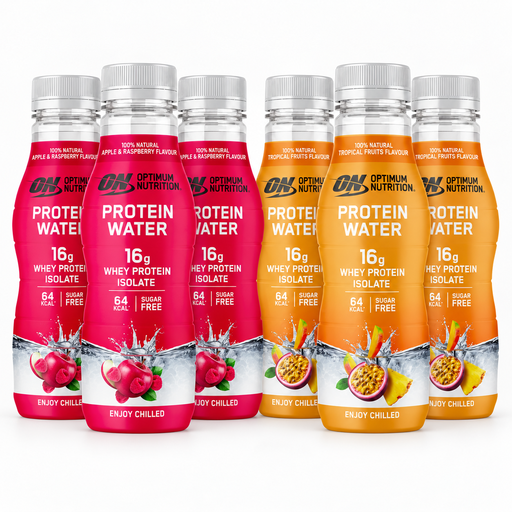
Why it suits this profile: Handy for sportspeople who want a chilled protein drink after training without needing a shaker or milk.
Each bottle is a set serving, so you don’t have to estimate how much powder to use. Once opened, keep chilled and consume within 24 hours.
16 grams of whey protein isolate per bottle, 64 kcal and no sugar or fat, according to the product information.
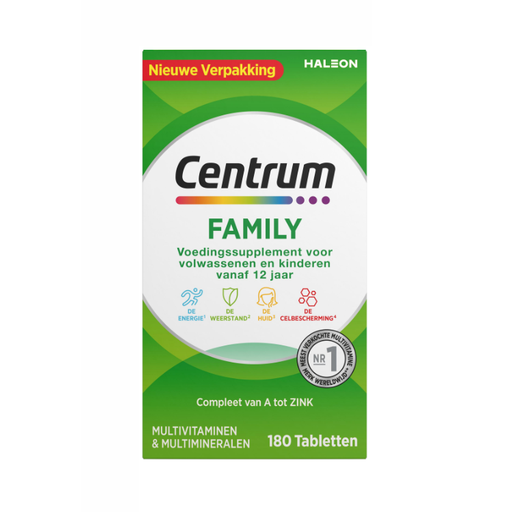
Why it suits this profile: A daily tablet may be a practical way for adults and children aged 12 and over to supplement their diet.
The dosage is straightforward: according to the product information, take one tablet a day with a meal. Compare the formula with any other supplements you already take.
180 tablets with a combination of vitamins and minerals, including vitamin B12, folic acid, calcium and magnesium.
We’ve put together a complete, up-to-date list of products that meet these strict selection criteria and current European safety requirements.
It depends on your situation. A protein bar or organic nut bar is easy to take with you. A protein drink is handy if you don’t want to use a shaker. Check the amount of protein per serving, as well as the sugar, calories and allergens.
Not necessarily. A supplement can help top up your diet, but it isn’t a substitute for varied food. First, check which vitamins you already get from food or other supplements. If you think you may have a deficiency or you take medication, it’s a good idea to speak to a healthcare professional.
Check the best-before date on the packaging and follow the storage instructions. Powders, nuts and bars should generally be kept in a cool, dry place in a sealed container. According to the product information, an opened protein drink should be kept chilled and used within the stated period. Check the packaging each time you buy, as ingredients and instructions may change.
