
Vandaag of morgen in huis

Kwaliteit gegarandeerd

Welkomstaanbiedingen ontgrendelen: GRATIS bezorging | Tot 80% korting | Gratis 30 dagen JoyPlus-proefperiode
Download de app
Buying food supplements seems straightforward, until you start comparing labels. One pack may claim to offer a “high dose”, while the amount of active ingredient in each tablet is not always clear. Flavourings, allergens and duplicate ingredients can also make a product less suitable for your daily routine.
This buying guide will help you compare food supplements in practical terms. Whether you’re looking for a magnesium supplement, vitamin B12, vitamin C 1000 mg, vegan omega 3 or sports nutrition, check the product specifications first and the marketing claims afterwards.
A large number on the front of the pack catches the eye, but always check how much of the nutrient is actually present in the recommended daily dose. For example, a magnesium product may list the total weight of a compound, when the relevant figure is the amount of elemental magnesium.
Also look at the nutrient reference value (NRV). According to the product information, Davitamon Magnesium Citrate contains 200 mg of magnesium per tablet, equivalent to 53% NRV. The recommended dose is two tablets a day. Davitamon Magnesium 400 mg, on the other hand, lists 400 mg of magnesium per tablet and combines magnesium bisglycinate with magnesium oxide.
Magnesium citrate, magnesium oxide and magnesium bisglycinate are different compounds. So check:
The form also matters with vitamin B12. Some products use methylcobalamin, while other formulas combine methylcobalamin and adenosylcobalamin. This doesn’t automatically make a product right for everyone, but it is a difference you can check.
A claim on the front of the pack is no substitute for checking the ingredients list. With vegan omega 3, check whether the oil comes from algae and whether the capsule is free from animal gelatine. According to the product information, the oil in the Lucovitaal product comes from Schizochytrium algae.
Also look out for conflicting information. With some international products, the product description and the label may differ. This is especially important if you have allergies, are pregnant, take medication or use sports products. In these cases, always treat the packaging you receive as the definitive source.
Don’t just compare “magnesium per tablet”; check the dosage and ingredients too. A magnesium complex may contain several forms, while a simpler product may use one or two compounds. Also check whether the supplement suits your diet: according to the product description, Davitamon Magnesium Citrate is suitable for vegetarians and vegans.
According to authorised EU claims, magnesium contributes to the normal functioning of muscles and the nervous system, and to normal energy-yielding metabolism. This doesn’t mean a supplement can treat tiredness or muscle complaints.
For adults looking for an easy-to-take option, a chewable or dissolvable tablet may be more practical than a capsule. The Lucovitaal Vitamin B12 products contain 1000 micrograms of methylcobalamin per tablet. They come in packs of 30, 60 or 180 tablets. The pack of 60 tablets lists gluten, so check carefully which pack you choose.
With vitamin C 1000 mg, flavour and format are important differences. ROTER offers orange and pineapple effervescent tablets, while Lucovitaal offers a vegan chewable tablet. According to the product information, the Lucovitaal formula contains vitamin C as ascorbic acid and sodium ascorbate. With effervescent tablets, also check the sweeteners, acids and advice to dissolve the tablet in around 200 ml of water.
BCAA powder is particularly useful for people who want to combine amino acids and a drink during training. Optimum Nutrition Gold Standard BCAA lists 5 grams of BCAAs per serving, with leucine, isoleucine and valine in a 2:1:1 ratio. Always check the recommended amount of water, the number of servings and any allergens.
A caffeine-free pre-workout may be a better fit if you want to avoid stimulants around your training. According to the product information, Applied Nutrition ABE Pump Stim Free contains ingredients including citrulline malate, beta-alanine, creatine and taurine. The maximum daily amount is 25 grams. The product description says it is suitable for vegans, but it may be made in an environment where milk, soya and gluten are also handled.
With vegan omega 3, check the amount of DHA and EPA, not just the total weight of the algae oil. Lucovitaal lists 282 mg of DHA and 93 mg of EPA per capsule.
Extra care is needed with ingredients such as 5-HTP and astaxanthin. The product information for Lucovitaal 5-HTP states that its health claim still requires European approval. Don’t use products like these as a substitute for medical advice, and speak to a doctor or pharmacist if you take medication. According to the label, Lucovitaal Vegan Astaxanthin contains 4 mg of astaxanthin, plus vitamin C and vitamin E, and is intended for adults aged 14 and over.
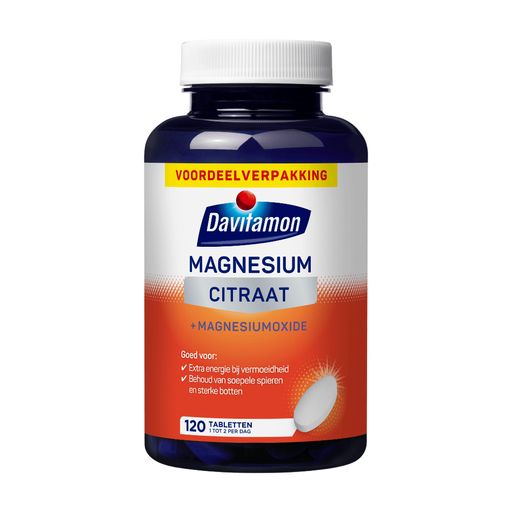
Why it suits this profile: The pack contains 120 tablets and is intended for daily use at two tablets a day. This makes it easy to work out how long it will last.
The product information clearly states 200 mg of magnesium per tablet and a combination of citrate and oxide. This makes it easy to compare the dosage with other magnesium products.
200 mg of magnesium per tablet, suitable for vegetarians and vegans according to the product description, and free from gluten, lactose and sugar.
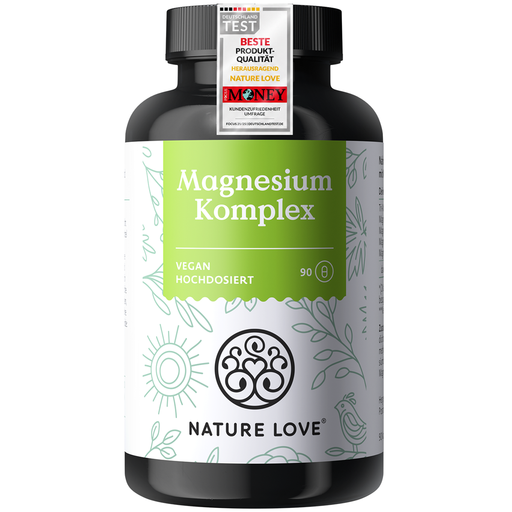
Why it suits this profile: If you want to compare several forms of magnesium, this complex contains five forms and lists the amount of elemental magnesium separately.
The product information lists 416 mg of magnesium in the daily dose of two capsules. This makes it clear how the complex differs from its individual compounds.
90 vegan capsules, five forms of magnesium and a stated daily dose of two capsules.
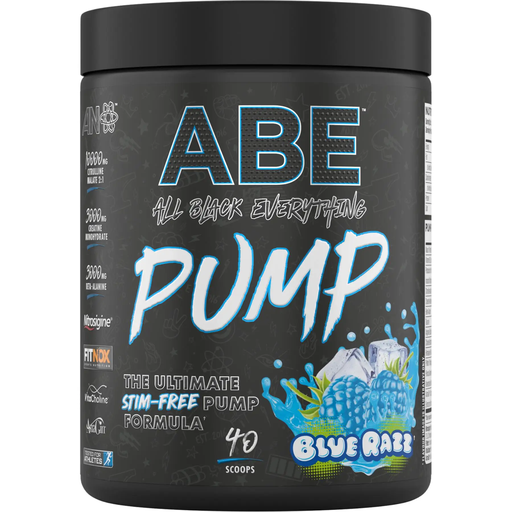
Why it suits this profile: This powder is intended for adults who want to avoid caffeine before exercise and adjust the dose to suit the amount of water they use.
The formula is explicitly labelled caffeine-free. The instructions also state a maximum amount of 25 grams per day.
Caffeine-free formula, contains creatine, and suitable for vegans and halal according to the product description.
Stick to the recommended dose on the label. A supplement is no substitute for a varied diet. Store capsules, powders and tablets in a dry, sealed place, out of reach of young children.
Do you have a kidney condition, take medication, or are you pregnant or breastfeeding? Ask a doctor or pharmacist for advice first. According to the product information, magnesium may have a laxative effect and may interact with certain medicines.
Shelf life varies by pack. Check the date on the product rather than relying only on how long you expect it to last. For example, a tub of 180 vitamin B12 tablets may last longer than a pack of 30, but always follow the recommended dose.
We’ve put together a complete, up-to-date list of products that meet these strict selection criteria and comply with current European safety regulations.
It depends on the number of tablets or capsules and the recommended daily dose. Divide the pack contents by the number of units to take each day. Also check the best-before date and storage instructions on the pack.
That depends on the nutrient and your individual circumstances. Vitamin C, vitamin B12 and magnesium have different authorised EU claims. So compare the exact dosage and don’t choose based only on terms such as supplements for energy and immunity.
This could lead to a double intake of the same nutrient. For example, a BCAA powder may already contain vitamin C, magnesium and zinc, while you’re also taking separate products. So compare the labels, and if you take medication or have a medical condition, ask a doctor or pharmacist for advice.
