
Vandaag of morgen in huis

Kwaliteit gegarandeerd

Welkomstaanbiedingen ontgrendelen: GRATIS bezorging | Tot 80% korting | Gratis 30 dagen JoyPlus-proefperiode
Download de app
Food supplements can often seem easy to compare: choose a high dosage, a large number of capsules and an appealing promise on the label. In practice, that is not enough. A supplement should suit your diet, age, goals and any medication you take. Several products may also contain the same vitamins or minerals.
As a Joybuy Product Recommendation Officer, I mainly filter for verifiable information: dosage, ingredients, directions for use, quantity, allergens and warnings. This helps you avoid paying for a formula you do not need.
A high amount of vitamin D3, vitamin C, B12 or zinc may seem appealing, but more is not always necessary. For example, Lucovitaal Vitamin D3 75 mcg contains 75 mcg per capsule, while the 25 mcg version provides a lower daily amount. First check which dosage is right for your situation and factor in any other supplements you take.
Broad claims are regularly made about ingredients such as sage, maca, turmeric, green tea, cayenne pepper and artichoke. According to Ymea’s product information, the health claims for sage, maca, cayenne and artichoke are still awaiting European approval. Do not therefore present such statements as guaranteed effects.
Claims relating to chlorella and certain menopause supplements are also sometimes marked as ‘awaiting European approval’. Look at the full composition rather than just the promise on the front of the packaging.
Do not compare only the number of capsules or tablets. Pay particular attention to the number of daily servings. Omega 3, for example, is often taken as two capsules a day. A pack containing 60 capsules therefore provides approximately 30 days’ supply. Lucovitaal Super Omega 3 lists 2,000 mg of fish oil per daily serving, including 1,204 mg of omega 3, 600 mg of EPA and 400 mg of DHA.
Always check:
A capsule of vitamin C may contain 1,000 mg, as with Lucovitaal Vitamin C 1000 mg. According to the product information, Davitamon Vitamin C + Extra D3, Zinc & Selenium contains 600 mg of vitamin C per effervescent tablet, together with vitamin D3, zinc and selenium. These are different formulas for different needs.
Capsules, chewable tablets, gummies and effervescent tablets differ in terms of convenience and additional ingredients. If you are looking for vegan supplements, you should also check whether the capsule shell and other ingredients are plant-based. Lucovitaal Magnesium 375 mg Bisglycinate, for example, is listed as vegan. By contrast, Lucovitaal vitamin D3 capsules contain gelatine and are not vegan.
Also pay attention to allergens. Omega 3 products contain fish, while some formulas may also contain soya, milk or other allergens. A product containing collagen is generally not vegan, as collagen usually comes from animal sources.
Read the label before buying and again before use. Pay attention to:
If you take medication, have a medical condition or are unsure whether a product is suitable, it is advisable to consult a doctor or pharmacist. Food supplements are not a substitute for a varied diet and healthy lifestyle.
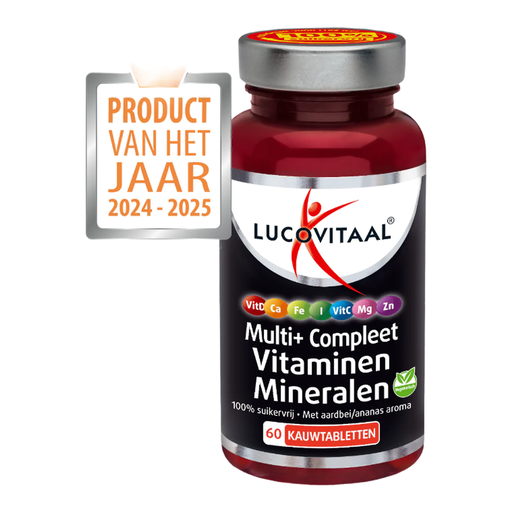
Why it suits this profile: A multivitamin in chewable tablet form is practical for adults who would rather not combine several separate food supplements.
The ingredients list clearly shows which vitamins and minerals have been added. However, check the daily dosage of 2 tablets and whether it contains iodine and sweeteners.
Broadly formulated, chewable and, according to the product information, free from artificial colours and flavourings.
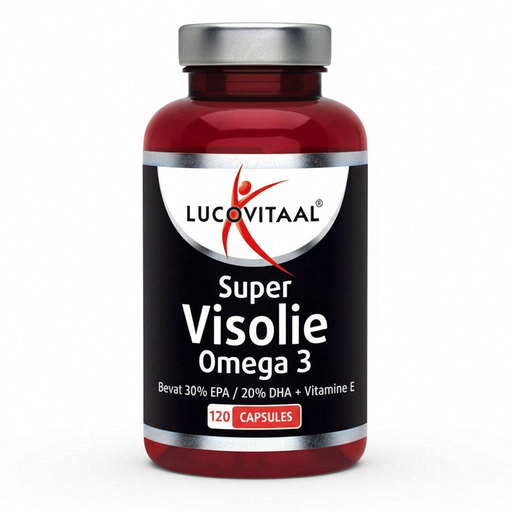
Why it suits this profile: Suitable for adults who specifically want to compare EPA and DHA rather than simply looking for ‘omega 3’ on the packaging.
The product information lists 600 mg of EPA and 400 mg of DHA separately per 2 capsules. This makes it easier to compare the formula than by looking at the total weight of fish oil alone.
120 capsules, 1,204 mg of omega 3 per daily serving and added vitamin E. Contains fish and is not vegan.
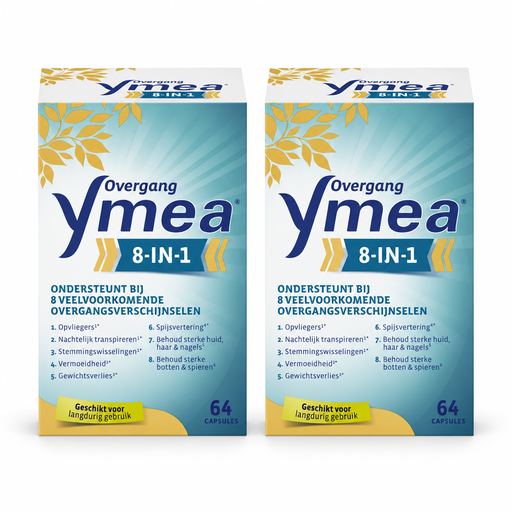
Why it suits this profile: For women looking for a single formula containing plant extracts and micronutrients to use during the menopause.
The daily dosage is clearly stated: 2 capsules containing 1.4 mg of vitamin B6, 5 mcg of vitamin D3 and 10 mg of zinc. According to the label, claims relating to sage, maca, cayenne and artichoke have not yet been approved in Europe.
128 capsules in total, free from gluten, lactose and gelatine, and suitable for vegetarians according to the product information.
Other targeted options include vitamin B12 for those looking for a chewable tablet containing 1,000 mcg, magnesium bisglycinate for a vegan formula, and hair vitamins containing biotin and zinc. Vitamin C, collagen, turmeric and chlorella are also available, but always compare the dosage and the evidence behind the claims. There are also specific formulas for men containing plant extracts; check the age restrictions, allergens and medicine warnings carefully.
We have put together a complete, up-to-date list of products that fully meet these strict selection criteria and the applicable European safety regulations.
Follow the use-by date and storage advice on the packaging. Capsules and tablets should generally be stored in a dry, dark place and kept out of the reach of young children. Gummies and fish oil may require extra care with temperature and moisture after opening. Always check the label if the packaging or composition has changed.
Sometimes, but check for overlap first. A multivitamin may already contain vitamin D3, vitamin C, zinc, magnesium or B12. Add together the daily amounts from all products and do not exceed the recommended dosage. If you take medication, ask a doctor or pharmacist for advice.
No. ‘Vegan’ refers to the origin of the ingredients and does not automatically mean that a product is free from allergens. For example, a product may be made in a factory that also handles soya, milk, eggs or nuts. Always read the allergen information and check the current packaging before use.
