
Vandaag of morgen in huis

Kwaliteit gegarandeerd

Welkomstaanbiedingen ontgrendelen: GRATIS bezorging | Tot 80% korting | Gratis 30 dagen JoyPlus-proefperiode
Download de app
An organized kitchen and less food waste: it all starts with the right food storage. But the search for the perfect solution can be frustrating. You buy a set of containers that promises to be "leak-proof," only to find your bag full of soup. Or you pull a bag from the freezer to find it has torn, resulting in freezer burn.
Many products seem convenient but fall short in practice. Before you invest in new meal prep containers or freezer bags, it's wise to know where the pitfalls lie.
sandwich bag isn't suitable for the freezer. A hard plastic container can crack if dropped. The material must match the purpose: freezing, microwave reheating, or taking it on the go.To avoid a bad purchase, you can focus on a few concrete specifications. These determine whether a product does its job well and lasts a long time.
Not all plastic is created equal. The choice of material determines safety and durability.
freezer bags are often made from this.lunch box or salad cup to go needs to be durable. Materials like ABS or sturdy, BPA-free polypropylene are good choices here. A leak-proof seal is essential.The seal determines how well your food is preserved.
resealable bags. They are convenient for storing dry snacks, but also for freezing soup or sauce (lay the bag flat while freezing).Vacuum sealer bags for food remove almost all air, which significantly extends shelf life and prevents freezer burn. This is a great option for those who want to freeze large quantities of meat, fish, or seasonal vegetables.plastic wrap, such as reusable silicone lids or disposable covers with an elastic band.lunch box or meal prep containers. The silicone gasket creates an airtight seal.A well-organized kitchen starts with smart sizes.
salad cup to go with a separate compartment for dressing or a lunch box with a bento insert keeps ingredients separate and fresh until it's time to eat.Based on these criteria, we have selected a number of products that suit different needs and households.
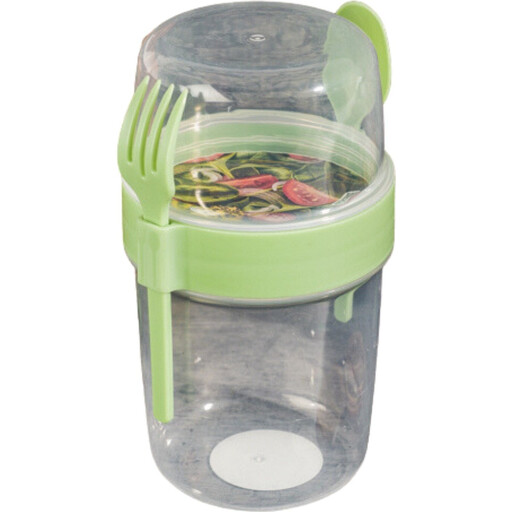
Why This Fits Their Persona: Perfect for anyone who brings a healthy lunch to work or on the go. The separate compartments keep granola, salad, and dressing separate, ensuring everything stays crisp and fresh until lunchtime.
This product directly tackles the "leaky lunchbox" pitfall. The silicone seal in the lid ensures a 100% airtight and watertight closure, preventing a soggy bag.
Made from BPA-free polypropylene, suitable for the freezer, microwave (without lid), and dishwasher. The smart two-compartment design is highly practical.
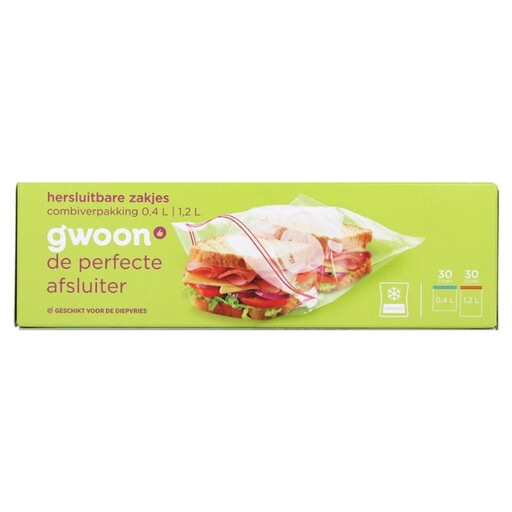
Why This Fits Their Persona: Ideal for portioning bulk purchases, freezing leftovers, or preparing snacks. By storing food efficiently, you prevent waste and save money.
These bags are made from durable, food-safe material that is stronger than cheap alternatives. This reduces the risk of tearing and freezer burn, avoiding the "one-size-fits-all" material flaw.
A set with two versatile sizes (0.4L for snacks, 1.2L for meals) offers flexibility. The bags are reusable and feature a reliable seal.
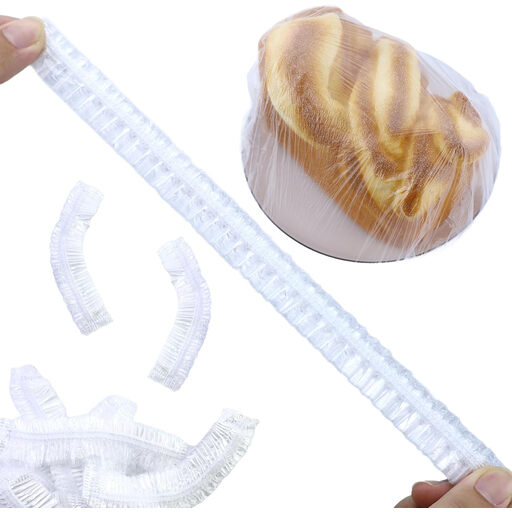
Why This Fits Their Persona: For those seeking a quick and simple solution for covering leftovers in bowls, on plates, or in containers. No more struggling with plastic wrap that tears or won't cling.
This product sidesteps the "weak seal" pitfall by using an elastic band instead of an adhesive edge. It adapts to various sizes and always provides a snug fit.
Extremely versatile and easy to use. The set of 110 pieces is an economical solution for daily use in the kitchen, at parties, or for picnics.
We have compiled a complete, up-to-date list of products that meet these selection criteria and comply with current safety regulations.
Freezer burn is caused by air exposure. To prevent it, press as much air as possible out of the freezer bag before sealing it. Choose bags made of thick, sturdy material specifically designed for the freezer. For those who want to store food for a very long time, vacuum sealer bags for food are an even better option, as they remove virtually all air. Always label the bags with the contents and the freezing date.
No, always check the product information. Containers that are safe for the microwave are typically made of polypropylene (PP), often identifiable by the recycling logo with a '5' inside. This material is heat-resistant. Always remove the lid before placing the container in the microwave to prevent pressure buildup.
Sandwich bags are generally thinner and designed for short-term use, primarily for dry food like a sandwich. Resealable bags, also known as ziplock bags, are thicker and have an airtight seal. This makes them more versatile: you can use them for freezing liquids, keeping snacks and leftovers fresh, and for organizing small items in the kitchen.
