
Vandaag of morgen in huis

Kwaliteit gegarandeerd

Welkomstaanbiedingen ontgrendelen: GRATIS bezorging | Tot 80% korting | Gratis 30 dagen JoyPlus-proefperiode
Download de app
A good set of food storage containers seems like a simple purchase—until real-world use proves otherwise. A leaking lunch box in your bag, a plastic container that permanently smells like last week's curry, or a lid that warps after just two washes. Many products overpromise and underdeliver. As a Product Recommendation Officer at Joybuy, I filter the market for you and help you avoid the common pitfalls, ensuring you invest in food containers that genuinely make your life easier.
Before you make a choice, it's important to recognise the most common problems:
leak-proof containers with lids, but the seal is often low-quality. After a few washes or when transporting soups or sauces, the closure proves unreliable, resulting in a soaked bag.meal prep containers to gather dust in the cupboard.To avoid a bad buy, it's essential to look beyond marketing claims. Pay attention to the following specifications that determine whether a food storage container is worth its price.
The material is the most critical factor for durability, hygiene, and ease of use.
Stainless steel food containers are lightweight, unbreakable, and completely free from odour and flavour transfer. They are a sustainable choice for a lunchbox or for storing leftovers. Pay attention to the quality: 304 stainless steel is the standard, while 316 stainless steel is even more resistant to corrosion from acids and salts. Most stainless steel containers are not microwave-safe but are suitable for the freezer and dishwasher.Glass storage jars, often made from borosilicate glass, are a hygienic option. This type of glass can withstand extreme temperature changes, allowing it to go from the freezer to the oven or microwave (without the lid). Glass does not absorb odours or colours, but it is heavier and breakable.food containers are lightweight and often the most budget-friendly option. They are ideal as freezer containers or microwave containers. It is crucial to check that the material is BPA-free, as required by regulations for food-contact materials. The downside remains their susceptibility to scratches, staining, and retaining odours.A lid determines whether your container is truly functional. A simple plastic lid is fine for home storage, but you need something more robust for on-the-go use. Look for lids with a four-sided locking system and a removable silicone gasket. This combination creates an airtight and watertight seal that keeps contents fresh and prevents leaks. This is essential for a reliable soup thermos or a lunchbox containing liquids.
Not every container is suited for every task.
insulated food jar with vacuum insulation is the solution. It keeps food hot or cold for several hours. A wide opening is practical for eating directly from the container.Meal prep containers need to be efficient. Opt for stackable, uniform sizes that can go in both the freezer and the microwave. This saves space and time.Storage containers for food like pasta, rice, or flour should primarily be airtight and preferably transparent, so you can see the contents at a glance.Below are a few products that align well with specific needs, based on their specifications.
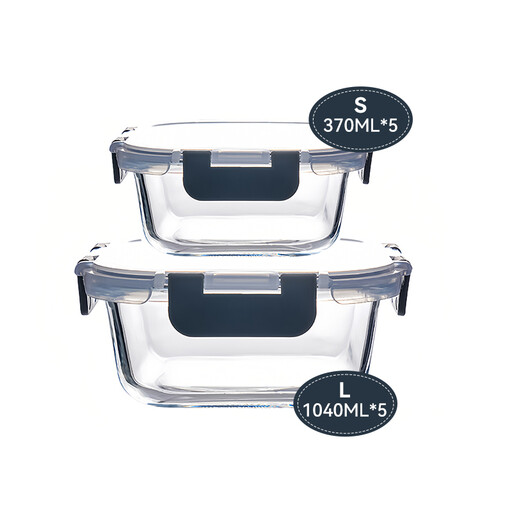
Why This Fits Their Persona: This set of ten glass containers in two sizes is ideal for those who prepare meals for the entire week. You can store and transport main courses and side dishes separately.
Made from borosilicate glass, it won't absorb odours or stains. Your container stays fresh, even after storing heavily spiced dishes.
Versatile in use: the containers are freezer, microwave, and oven safe (without the lid). The lids feature a locking system for a secure seal.
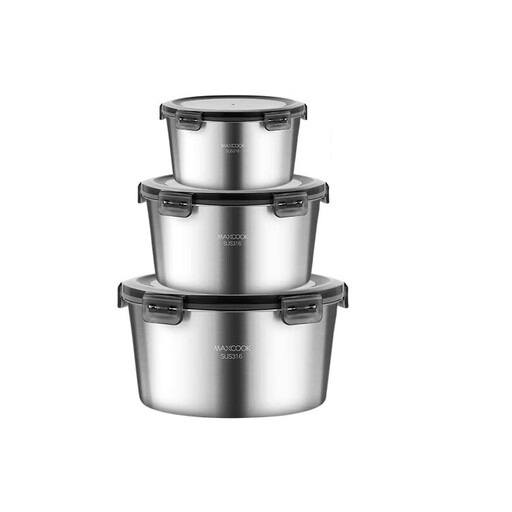
Why This Fits Their Persona: For those pursuing a plastic-free lifestyle and investing in long-lasting products. This stainless steel set is unbreakable, lightweight, and a durable alternative to plastic.
The use of 316 stainless steel makes these containers highly resistant to corrosion and completely immune to stains and odours—a persistent problem with plastic.
The set includes three different sizes (600ml, 1100ml, 2200ml) for various portions. The containers are freezer and dishwasher safe.
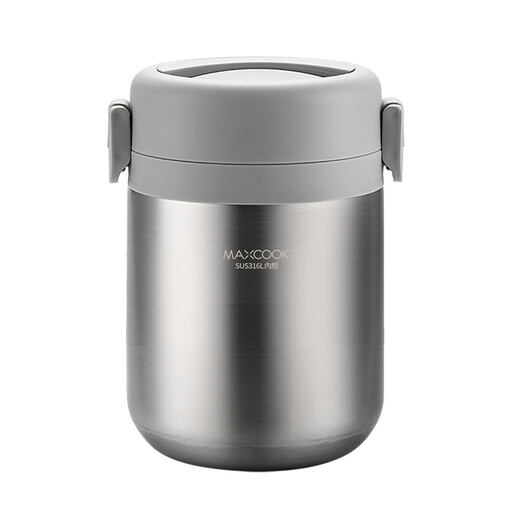
Why This Fits Their Persona: Perfect for anyone who wants to enjoy a hot meal on the go or at the office without a microwave. Ideal for soup, stews, or pasta.
The vacuum insulation provides effective temperature retention, putting an end to lukewarm lunches. The wide opening is practical and prevents spills while eating.
According to the manufacturer, Maxcook, the insulation keeps contents hot for 4-6 hours. The container is made from durable 316 stainless steel and has a reliable, leak-proof lid.
We've curated a complete, up-to-date list of products that meet these strict selection criteria and safety regulations.
Not always. Always check the product information. Glass and stainless steel themselves are generally dishwasher safe. However, lids with silicone gaskets can wear out faster due to the heat and detergent. It's often better to wash these by hand. Plastic containers should preferably be placed on the top rack of the dishwasher to prevent warping.
Both types of steel are safe for food contact. 304 stainless steel is the most common variant and is sufficient for most applications. 316 stainless steel contains an additional element (molybdenum), which makes it even more resistant to corrosion from salt and acids. This makes it an excellent choice for regularly storing items like tomato sauce, salad dressings, or other acidic products.
The main cause of cracking is thermal shock: a rapid, extreme change in temperature. Never place a glass container directly from the freezer into a preheated oven. Let it come to room temperature first. Although borosilicate glass is much more resistant to this than standard glass, caution is still advised.
