
Vandaag of morgen in huis

Kwaliteit gegarandeerd

Welkomstaanbiedingen ontgrendelen: GRATIS bezorging | Tot 80% korting | Gratis 30 dagen JoyPlus-proefperiode
Download de app
A leaking lunch box in your bag, leftovers that lose their freshness overnight, or a plastic container that warps in the microwave. These are minor, daily frustrations you can easily avoid. The market for food storage containers is vast and full of promises, but not every container delivers. Before you invest in a new set, it's wise to know what to look for.
Common mistakes often stem from unclear product information. Here are three pitfalls to avoid:
To avoid buyer's remorse, a few key specifications make all the difference. By focusing on these, you'll choose a product that fits your lifestyle.
The choice of material is the most important factor. The two main options are glass and plastic, each with its own pros and cons.
A great container is nothing without a great lid. For truly airtight containers, look for a lid with a four-sided locking system and a removable silicone ring. This combination creates a seal that prevents leaks and airflow, which is crucial for transporting soups and sauces and for keeping meals fresh longer. Simple snap-on lids without this extra seal are fine for dry food but less reliable for liquids.
Think about how you'll use the containers. Will you use them as meal prep containers? Then a food storage set with various sizes is useful for portioning meals. Want to streamline your cupboards or fridge? Opt for a stackable design. This makes them an efficient kitchen organiser. A rectangular or square shape often utilises space more effectively than a round one.
Not everyone has the same needs. Below are a few options tailored to specific use cases.
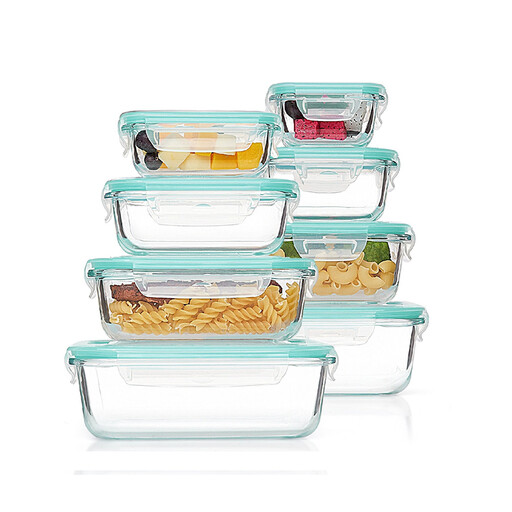
Why This Fits Their Persona: This set offers eight different sizes, ideal for preparing complete meals and snacks for the entire week. The borosilicate glass allows you to freeze meals and reheat them directly in the microwave.
The use of high-quality borosilicate glass prevents cracking from temperature changes. The lids with a locking system are designed to seal tightly for transport.
Set of 8 different sizes (150 ml to 1040 ml) for maximum flexibility. Made of borosilicate glass, suitable for freezer and microwave.
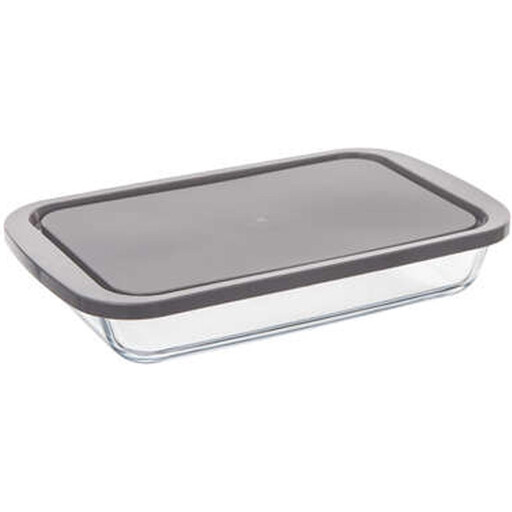
Why This Fits Their Persona: Perfect for preparing, storing, and serving larger dishes like lasagna or a casserole. The generous 1.6-litre capacity is ideal for families or storing dinner leftovers.
The product information is clear: the glass dish is oven-safe up to 400°C, but the lid is explicitly not. This prevents accidentally melting the lid in the oven.
Made from durable borosilicate glass. Suitable for both baking in the oven and storing in the fridge. The dish itself is dishwasher-safe.
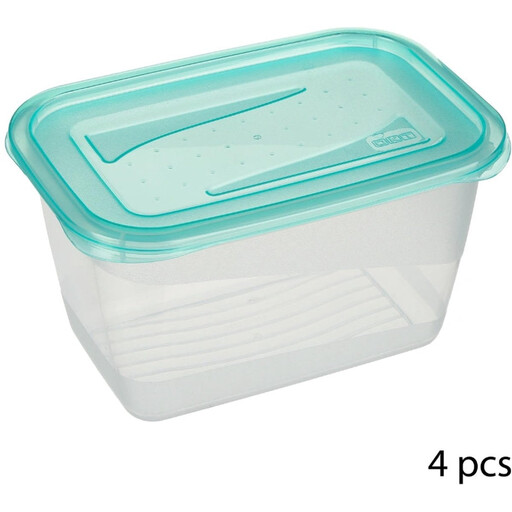
Why This Fits Their Persona: An affordable and functional set for daily use. Ideal for freezing portions, storing leftovers, or packing a simple lunch. Lightweight and stackable, making them easy to store.
This product makes no false promises. It is clearly a plastic (PE) container that is suitable for the microwave and dishwasher, but not for the oven. The focus is on basic functionality.
Budget-friendly set of four. Compact, stackable, and suitable for the microwave, freezer, and dishwasher.
We have compiled a complete, up-to-date list of products that meet these selection criteria and current regulations.
Only containers made of borosilicate glass are designed to withstand large temperature differences. Still, it's wise to avoid extreme thermal shock. For example, let a frozen dish sit on the counter to come to room temperature before placing it in a hot oven. Always read the manufacturer's recommendations, as quality can vary by brand.
Check the packaging or the bottom of the container for symbols. A glass-and-fork symbol means the material is safe for food contact. Also, look for the BPA-free label. Symbols for the microwave (microwave-safe containers) and freezer (freezer-safe containers) indicate whether the container is suitable for temperature changes.
This is a common problem with plastic containers, especially with tomato- or curry-based sauces. Rinse the container with cold water immediately after use. This helps prevent pigments from setting into the plastic. For stubborn odours or stains, a paste of water and baking soda can help. Let it sit in the container overnight before washing. This is rarely an issue with glass containers.
