
Vandaag of morgen in huis

Kwaliteit gegarandeerd

Welkomstaanbiedingen ontgrendelen: GRATIS bezorging | Tot 80% korting | Gratis 30 dagen JoyPlus-proefperiode
Download de app
An organized fridge and less food waste: that's the goal. But the search for the right food storage containers often ends in frustration. You know the drill: a cabinet full of containers with mismatched lids, plastic that permanently smells like last week's pasta sauce, or a stack that topples over at the slightest touch.
Before you invest in another new set, it's wise to understand the common pitfalls. Many marketing promises don't hold up in practice. These are the three problems you want to avoid:
To avoid a bad purchase, it's smart to focus on a few objective specifications. These determine whether a food storage container is truly practical for your household.
The choice of material has the biggest impact on usability and lifespan.
A lid isn't just a lid. To truly keep food fresh, you need airtight food containers. Look for lids with a silicone gasket and sturdy locking clips on the sides. This combination ensures no air can get in or out, which preserves moisture and freshness and prevents odours from spreading in the fridge. Simple snap-on lids without a seal are less effective.
Functionality is personal. Think about what you'll use the containers for most.
Based on these criteria, we have selected a number of food storage containers that suit different users.
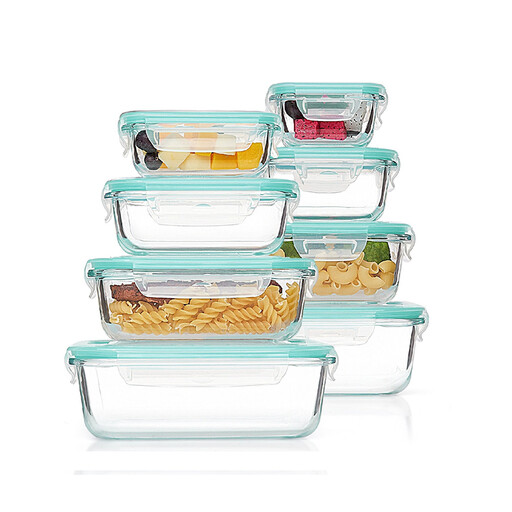
Why This Fits Their Persona: Ideal for those who prepare meals for the entire week. The eight different sizes make portioning easy, and the glass is perfect for reheating meals directly from the fridge or freezer in the microwave or oven.
The borosilicate glass is completely impervious to stains and odours, keeping the containers looking new after every use. The lids seal tightly to preserve freshness.
Highly versatile: suitable for the oven, microwave, and freezer. The set includes 8 different sizes, from 150ml to 1040ml, for every conceivable portion.
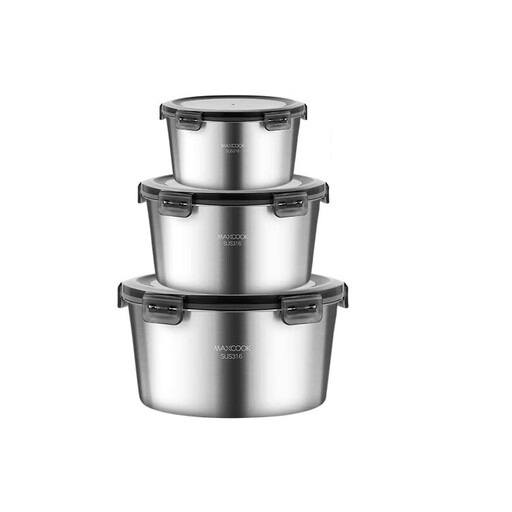
Why This Fits Their Persona: For those who invest in durability and a plastic-free kitchen. These stainless steel containers are robust, hygienic, and have a sleek look that fits into a modern, organized pantry or fridge.
Stainless steel is unbreakable, won't warp, and is completely immune to stains and odours. The lids seal tightly, making this a long-term investment.
Made from high-quality 316 stainless steel, which offers superior corrosion resistance. The set is dishwasher- and freezer-safe and stackable for efficient storage.
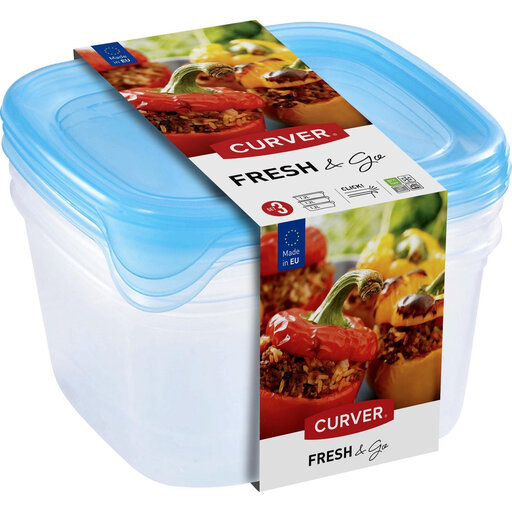
Why This Fits Their Persona: An affordable and practical starter set from a well-known brand. Perfect for instantly creating order in the fridge or pantry without a large investment. The 1.2L size is versatile for leftovers or lunch.
These containers are designed for efficient storage both when empty (nestable) and full (stably stackable). This avoids the "stacking lie" of lesser brands and truly saves space.
A reliable all-rounder: BPA-free, dishwasher-, freezer-, and microwave-safe (without lid). The lids have convenient tabs for easy opening.
We have compiled a complete, up-to-date list of products that fully meet these strict selection criteria and UK/EU safety regulations.
Not necessarily "better," but different. Glass food containers are superior in hygiene (no stains/odours) and versatility (oven-safe). Plastic containers are lighter, less fragile, and often cheaper, making them convenient for on-the-go use. The choice depends on your priorities: durability and hygiene (glass) versus convenience and portability (plastic).
Completely preventing staining from things like tomato sauce is difficult. One tip is to rinse the container with cold water immediately after use before washing it with hot water and soap. For stubborn stains, you can try filling the container with a mixture of water and a bit of baking soda and letting it sit overnight.
BPA (Bisphenol A) is a chemical used in some types of plastic. There are concerns that BPA can leach from the plastic into food, especially when heated. Although opinions on the risks are divided, EU directives require many food contact materials, especially for babies and young children, to be BPA-free. Choosing BPA-free plastic is an easy way to opt for peace of mind when storing your food.
