
Vandaag of morgen in huis

Kwaliteit gegarandeerd

Welkomstaanbiedingen ontgrendelen: GRATIS bezorging | Tot 80% korting | Gratis 30 dagen JoyPlus-proefperiode
Download de app
A good set of food storage containers seems like a simple purchase—until your lunch bag leaks, your fridge becomes a mess, or your favourite container warps after a single trip to the microwave. The market is full of promises, but not every container delivers on practicality. As a Joybuy Product Recommendation Officer, I'm here to help you cut through the marketing jargon and make the right choice for your kitchen.
Before you invest in a new food storage container set, it's wise to know the most common pitfalls that many people encounter:
An organised kitchen and a worry-free lunch start with paying attention to the right specifications.
To avoid wasting money, focus on two essential features: the material and the sealing mechanism. These determine the durability, ease of use, and versatility of your food containers.
The choice of material has the biggest impact on how you will use the containers.
A lid is not just a lid. For a truly airtight and leak-proof result, look for a lid with the following two features:
Simple snap-on lids are fine for pantry canisters with dry contents, but they are often insufficient for liquids and on-the-go meals.
To help you with your choice, we have selected a few products that suit different needs and budgets.
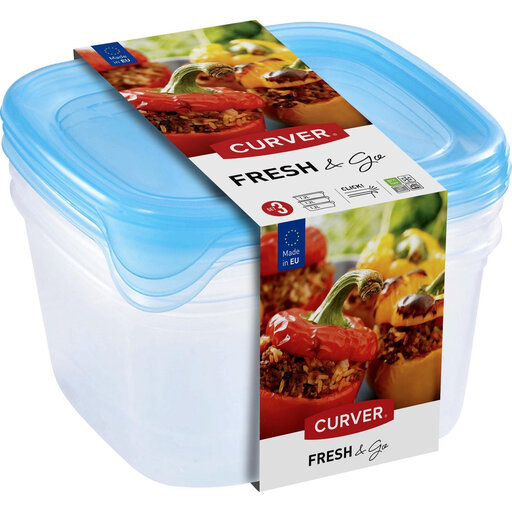
Why This Fits Their Persona: Ideal for those just starting to organise leftovers or pack a simple lunch. This set is affordable, stackable, and from a reliable brand for everyday use.
Made from BPA-free plastic that the manufacturer rates for temperatures from -40°C to +100°C. This reduces the risk of warping in the microwave (without the lid) compared to no-name alternatives.
Lightweight and nestable design, which saves significant space in the kitchen cabinet. The lids feature tabs for easy opening.
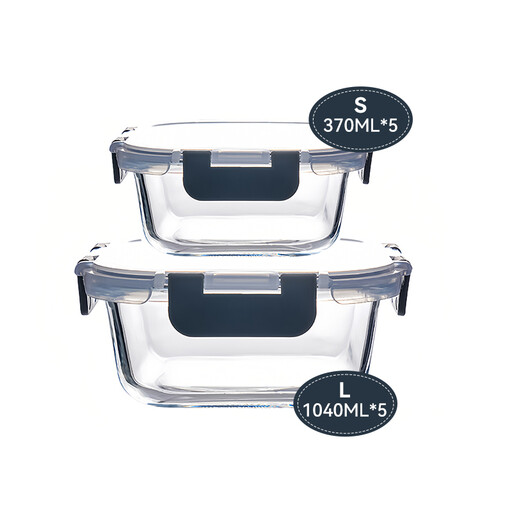
Why This Fits Their Persona: Perfect for those who fill meal prep containers weekly and value hygiene and durability. Go from freezer to microwave to dishwasher without worrying about stains or warping.
Made from high borosilicate glass, which doesn't absorb odours or stains from sauces. The four-sided locking clips with a silicone ring ensure a reliable, leak-proof seal for soups and stews.
Doesn't retain flavours, keeping your food's taste pure. The glass dish is oven-safe (without the lid), offering extra versatility.
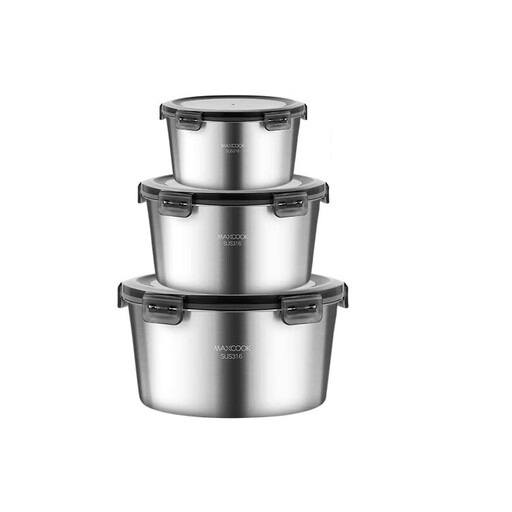
Why This Fits Their Persona: For those who pack a lunch box daily and want an unbreakable, lightweight alternative to glass and plastic. Ideal for salads, sandwiches, and cold meals.
Stainless steel containers are indestructible and completely free of chemicals. They don't warp from heat (though they can't go in the microwave) and are resistant to drops and impacts, ensuring they last for years.
Extremely durable and hygienic (made from 316 stainless steel). Absolutely will not absorb odours or discolouration and is surprisingly lightweight.
We have compiled a complete, up-to-date list of products that meet these strict selection criteria and local regulations.
Look at the lid. The most reliable leak-proof containers have a lid with a distinct silicone ring on the inside and sturdy locking clips on all four sides. A simple press-on lid is rarely suitable for liquids.
No, not all of them. Always check if the product is marked as microwave-safe. Additionally, always remove the lid before heating the container. This prevents pressure from building up, which could cause the container or lid to warp or even crack.
Borosilicate glass is much more resistant to thermal shock. This means it can handle large temperature differences without cracking, for example, going from the refrigerator to a preheated microwave. Regular glass can shatter with a rapid temperature change. For containers you plan to freeze and reheat, borosilicate glass is the safer choice.
