
Vandaag of morgen in huis

Kwaliteit gegarandeerd

Welkomstaanbiedingen ontgrendelen: GRATIS bezorging | Tot 80% korting | Gratis 30 dagen JoyPlus-proefperiode
Download de app
A leaking lunchbox in your bag, a plastic container permanently stained orange after one serving of spaghetti bolognese, or a lid tab that snaps off after just three uses. Sound familiar? The search for good food storage containers can be unexpectedly frustrating. The market is flooded with promises, but the reality is often more challenging.
Before you invest in a new food storage container set, it's wise to look beyond the marketing. Common pitfalls include:
A good choice not only saves you money and frustration but also helps reduce food waste and keep your kitchen organised.
To avoid a bad purchase, you can focus on a few concrete specifications. These determine whether a food storage container does its job well, whether it's for a lunchbox, meal prep containers, or pantry canisters.
The material is the foundation of any good food storage container. The three most common options each have their own pros and cons.
A lid determines whether your container is truly leak-proof. Look at the following two elements:
For daily convenience, your containers should fit your routine. Always check the symbols or product description for:
Based on these objective criteria, we have selected a number of products that suit different users.
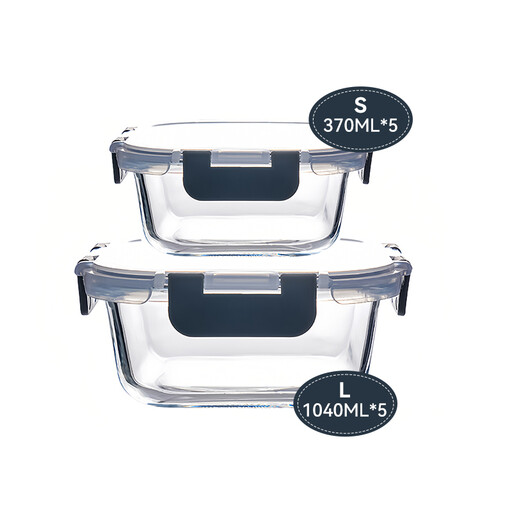
Why This Fits Their Persona: For those who prepare meals weekly, a reliable and versatile set is essential. This 10-piece set made of high borosilicate glass offers two sizes, perfect for main courses and side dishes. The glass is ideal for use in the microwave and oven.
The high borosilicate glass does not absorb stains or odours, unlike plastic. The snap-lock lids with four clips are designed for a secure, leak-proof seal.
Large set for a full week of meal prep. The glass is suitable for the freezer, microwave, and oven, offering maximum flexibility.
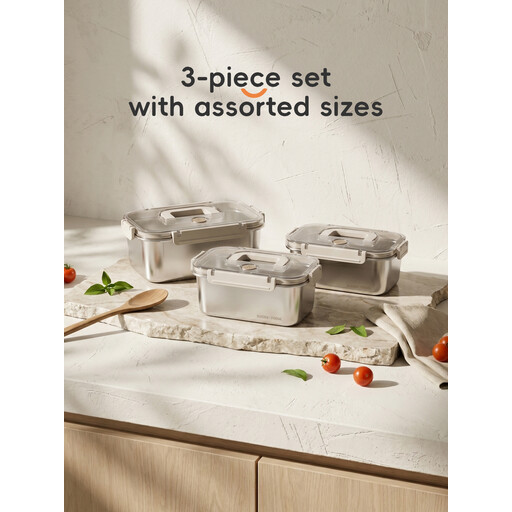
Why This Fits Their Persona: This user is looking for a product that is long-lasting and free of plastic. This stainless steel set is a robust choice for storing leftovers or taking a cold lunch, without worrying about chemicals or wear and tear.
Food-grade 304 stainless steel is indestructible, will not crack or warp, and is naturally resistant to stains and odours. The lids with four-sided locking ensure a reliable seal.
Extremely durable and hygienic. The set includes three different sizes for organised storage. Lightweight and easy to carry.
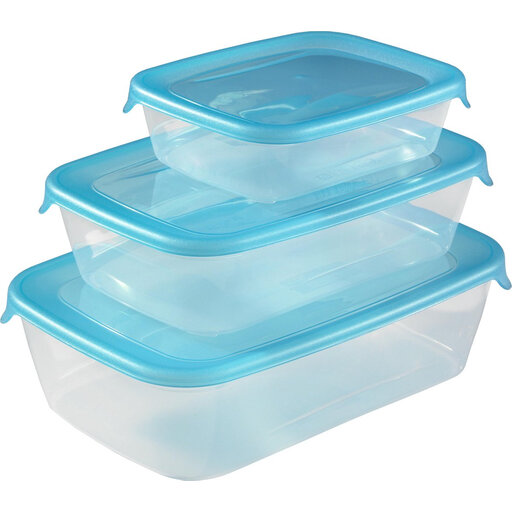
Why This Fits Their Persona: Ideal for those seeking a functional, no-frills set without a large budget. This Curver set is a practical all-rounder for storing leftovers, packing lunch, and organising the fridge.
Made from high-quality, BPA-free plastic designed for a temperature range of -40°C to +100°C. This minimises the risk of warping in the dishwasher or microwave.
A versatile set with three different sizes (0.5L, 1L, 2L). The containers are nestable and stackable, which saves a lot of space in your kitchen cabinets.
We have compiled a complete, up-to-date list of products that meet these strict selection criteria and safety regulations.
It is not recommended to place a glass container directly from the freezer into the microwave. The sudden temperature change can cause thermal shock, which may crack the glass. Borosilicate glass is more resistant to this, but it is always safer to let the container come to room temperature first (or at least partially) or to thaw it in the refrigerator.
Staining from sauces is a common problem with plastic. To minimise this, rinse the container with cold water immediately after use. Applying a thin layer of cooking spray or oil to the inside before adding the sauce can also create a protective barrier. You can try to remove stubborn stains by soaking the container in a solution of water with vinegar or baking soda.
Not always. The term 'leak-proof' is not a protected term. The most reliable leak-proof containers have a combination of a flexible silicone gasket in the lid and a sturdy locking mechanism, such as clips on all four sides. A simple snap-on lid without an extra seal is rarely completely leak-proof for liquids like soup or yoghurt.
