
Vandaag of morgen in huis

Kwaliteit gegarandeerd

Welkomstaanbiedingen ontgrendelen: GRATIS bezorging | Tot 80% korting | Gratis 30 dagen JoyPlus-proefperiode
Download de app
An organised fridge and less food waste: that's the goal. Yet, the search for the right food storage containers often ends in disappointment. Containers that leak in your bag, warp in the dishwasher, or form a chaotic pile in your kitchen cabinet. Sound familiar?
Before you invest in a new food storage container set, it's wise to know the most common pitfalls. Many products promise more than they deliver. These are the three problems we see most often:
As a Joybuy Product Recommendation Officer, I'll help you see through the marketing claims. We'll look at the specifications that truly matter, so you can make a choice you'll be happy with for years to come.
You don't need to be a material scientist to choose the right kitchen storage boxes. Pay attention to the following three concrete points.
The term BPA-free is a standard marketing buzzword nowadays, but it's only the starting point. Food-safe plastics like PP (polypropylene) and PET (polyethylene terephthalate) are a better indicator of quality. These materials are stable, don't transfer flavours or odours to your food, and are designed for repeated contact with food. Check the product description for these specifications on food storage containers.
You can't identify a truly airtight seal by a simple click. Look for lids with a silicone sealing ring and multiple locking clips on the sides. This combination creates a vacuum effect that keeps moisture and air out, helping your food stay fresh longer.
Also, note the difference between nestable and stackable. Nestable containers fit inside each other, saving space in the cupboard. Stackable containers have a stable design, allowing you to safely place them on top of each other in the fridge. A good fridge organiser is always stably stackable.
Not every plastic container can withstand extreme temperatures. For meal prep containers or freezer containers, a wide temperature range is essential. A quality product can handle temperatures from approximately -40°C to +100°C. This means you can thaw a meal directly from the freezer in the microwave (without the lid). Always check the symbols on the bottom of the container or the manufacturer's specifications.
Based on these objective criteria, we have selected a number of products that suit different needs.
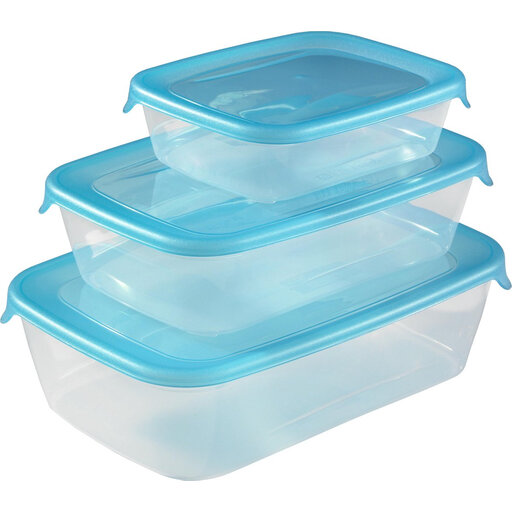
Why This Fits Their Persona: This set is ideal for those who plan meals ahead. With three different sizes (0.5L, 1L, and 2L), you have a suitable container for every component of your meal—from sauce to the main course. Perfect for taking to work or for after a workout.
The lids seal tightly and are designed for repeated use in the microwave and freezer without warping. The nestable design prevents "stacking chaos" in your kitchen cabinet.
Set with 3 sizes for maximum flexibility. Suitable for freezer, microwave, and dishwasher (-40°C to +100°C).
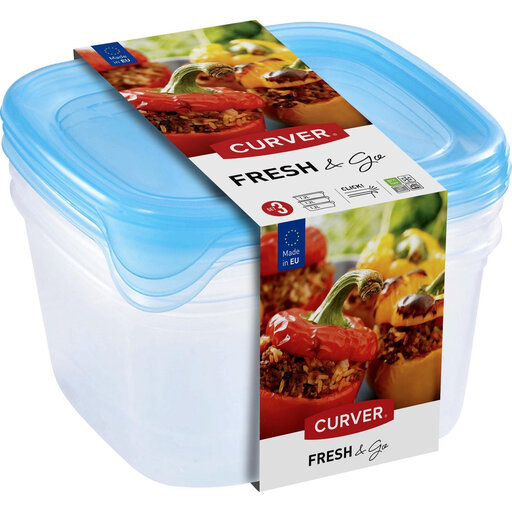
Why This Fits Their Persona: The generous 1.2-litre capacity per container is perfect for dinner leftovers, a large salad, or storing chopped vegetables for the whole family. This set instantly brings order to a busy family fridge.
The sturdy, BPA-free plastic withstands daily use and the dishwasher. The square, stable shape ensures the containers won't topple and that you can use your fridge space efficiently.
Large 1.2L capacity per container. The wide temperature range (-40°C to +100°C) makes them suitable for both freezing and reheating.
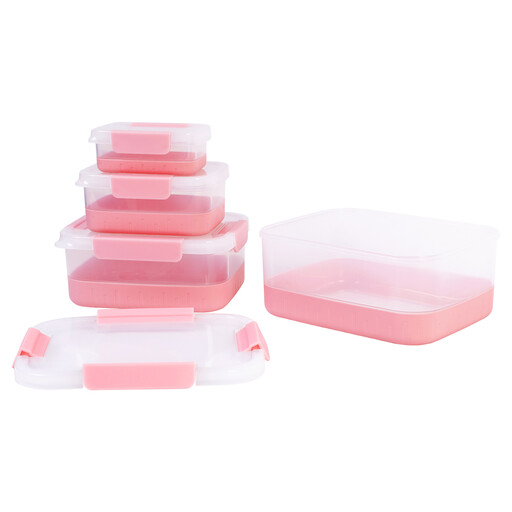
Why This Fits Their Persona: A complete and practical starter set for a single-person household or students. The four containers provide a solid foundation for storing leftovers or taking lunch on the go, without immediately taking up a lot of cupboard space.
This product directly tackles the "airtight lie" with a silicone-ringed lid, which prevents leaks. The efficient, stackable design solves the "stacking chaos" in smaller kitchens.
The leakproof lid with a silicone ring is a clear advantage in this price range. The set is dishwasher-safe for easy maintenance.
We have compiled a complete, up-to-date list of products that fully meet these strict selection criteria and UK safety regulations.
Look for lids with a silicone sealing ring and multiple locking clips on the sides. This combination offers the most reliable seal against air and moisture. A simple click-on lid without these extra features is often not fully leakproof and less suitable for liquids.
No, definitely not. Always check the product information or the symbols on the bottom of the container. Containers made of PP plastic (polypropylene) are generally microwave-safe, but those made of PET plastic often are not. An important rule: always remove the lid before reheating to prevent pressure build-up and warping of the lid.
A fridge organiser is usually an open bin or drawer, designed to add structure and group items like cans, bottles, or vegetables. Its purpose is to create an overview. A food storage container has a lid and is specifically intended to store food in a sealed environment, extend its freshness, and prevent leaks.
