
Vandaag of morgen in huis

Kwaliteit gegarandeerd

Welkomstaanbiedingen ontgrendelen: GRATIS bezorging | Tot 80% korting | Gratis 30 dagen JoyPlus-proefperiode
Download de app
An organized kitchen and less food waste: that's the goal. But the search for the right food storage containers can be surprisingly tricky. You invest in a set, and within a few months, the lids no longer seal properly, the plastic is permanently stained by pasta sauce, or half the sizes turn out to be useless. Sound familiar?
Before you make a purchase, it's wise to know the common pitfalls. Many products promise more than they deliver. These are the most frequent problems:
As a Joybuy Product Recommendation Officer, I'll help you see through the marketing claims and focus on what truly matters: the specifications that fit your daily life.
To avoid a purchase you'll regret, you can focus on a few concrete product features. These determine whether a set of kitchen storage boxes is a durable investment or a temporary fix.
The choice of material is the most important first step. Both have clear advantages and disadvantages.
A truly airtight container significantly extends the freshness of your food. The quality of the seal is crucial here. Look for lids with a silicone sealing ring and a four-point locking system. This combination provides a much more reliable seal than a simple press-on lid. For dry ingredients in pantry jars, a good seal is also important to keep out pests and moisture.
The terms "microwave-safe" or "dishwasher-safe" can be misleading. Often, this only applies to the container itself and not the lid. Heat can cause the lid to warp, compromising the airtight seal. Therefore, always check the product information:
To help you choose, we have highlighted a few products that suit specific needs, based on their objective specifications.
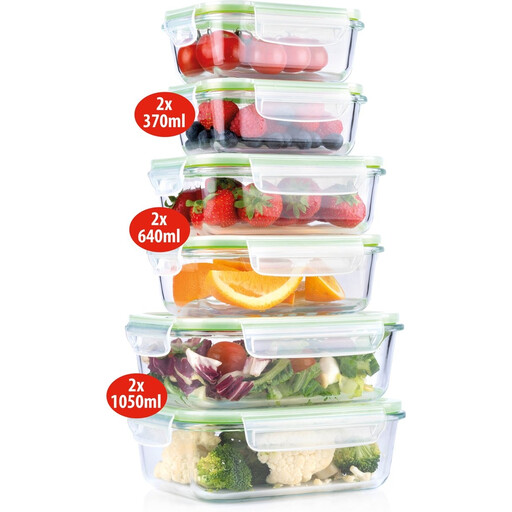
Why This Fits Their Persona: Ideal for those who prepare meals for the entire week. The set includes three practical sizes (370 ml, 640 ml, 1050 ml) for portions, salads, and larger dishes. Perfect for a structured approach with meal prep containers.
The borosilicate glass resists stains and odours from meals. The locking lids ensure a reliable, leak-proof seal, avoiding the pitfall of leaking containers in your bag.
The containers are suitable for the freezer, microwave (without lid), and dishwasher. The glass is scratch-resistant and durable, making it a long-term investment.
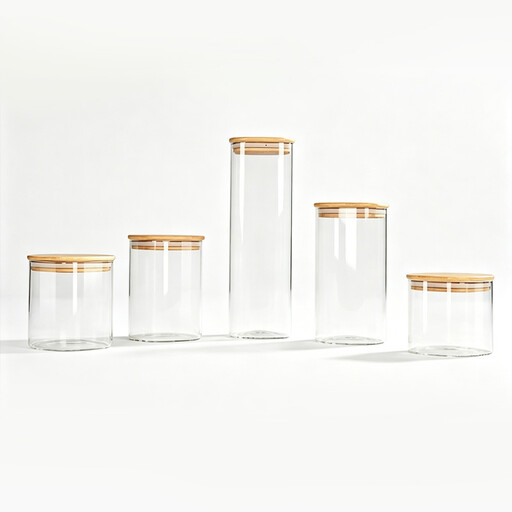
Why This Fits Their Persona: For those who want a tidy and visually appealing pantry. This set of pantry jars is perfect for storing dry goods like grains, pasta, and legumes. The different sizes are tailored to standard packaging.
This isn't a 'one-size-fits-all' set for leftovers, but a specific solution for dry storage. The glass jars and airtight lids avoid the pitfall of flimsy lids and stale ingredients.
The set includes five different sizes (from 750 ml to 2300 ml) for a uniform look. The glass is transparent, so you can instantly see what's inside and how much is left.
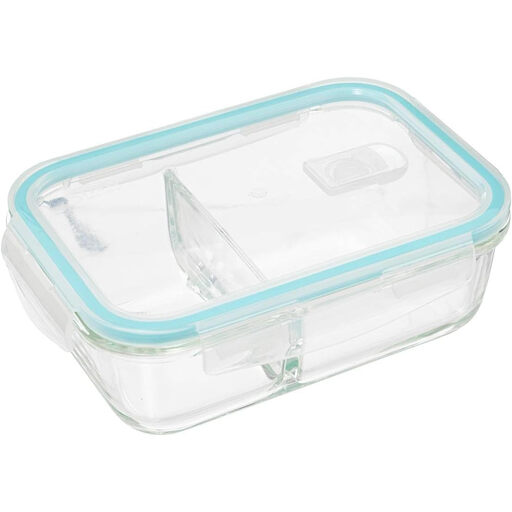
Why This Fits Their Persona: Perfect for those who take a varied lunch to work or school. The compartments keep different parts of the meal separate. This glass lunch box is a practical, single purchase instead of a whole set.
This container solves the problem of a soggy salad or mixed flavours. The borosilicate glass avoids typical plastic pitfalls like staining and retaining odours after reheating.
The container is dishwasher-safe for easy cleaning. The 1.1-litre capacity is spacious enough for a full meal, and the compartments offer flexibility.
We have compiled a complete, up-to-date list of products that fully meet these strict selection criteria and UK/EU safety regulations.
That depends on your use case. For durability, hygiene (no stains or odours), and reheating meals, glass is often the superior choice. For carrying cold lunches, storing food for children, or if you're looking for a lighter alternative, BPA-free plastic can be more practical.
Look at the lid's construction. A lid with a distinct, flexible silicone ring and sturdy clips on all four sides offers the most reliable airtight and leak-proof seal. Simple press-on lids quickly lose their sealing power.
In most cases: no. The heat from the microwave can permanently warp the lid, and especially the sealing ring. This will prevent the container from sealing properly. The general recommendation is to only place the glass or plastic container itself in the microwave. Loosely place the lid on top to prevent splatters or use microwave-safe cling film. Always check the manufacturer's instructions.
