
Vandaag of morgen in huis

Kwaliteit gegarandeerd

Welkomstaanbiedingen ontgrendelen: GRATIS bezorging | Tot 80% korting | Gratis 30 dagen JoyPlus-proefperiode
Download de app
A quality set of food storage containers seems like a simple purchase—until the lid warps after one dishwasher cycle, your bag fills with soup, or your containers are permanently stained orange after reheating pasta. Choosing the right plastic containers with lids can be the difference between convenience and daily frustration.
Many marketing promises sound great, but the reality is often different. Let's look at the most common pitfalls so you know what to watch out for.
A smart choice isn't based on marketing, but on verifiable specifications.
To avoid wasting money, focus on three concrete features. These determine whether a set of food containers is worth the investment.
Not all plastic is created equal. For containers used to store, heat, or freeze food, two things are crucial:
The lid is the most vulnerable component. A truly leak-proof design depends on the seal. Look for lids with a silicone ring on the inside. This ring creates a much more reliable seal than a simple plastic-on-plastic snap closure. Sturdy clips that latch onto the container base are typically more durable than flimsy tabs on the lid.
A good food container set is designed to save space. There's a difference between stackable and nestable:
Consider the shape and dimensions. A mix of sizes is useful for various purposes, from taking a salad to work to storing a bit of leftover sauce.
Based on these criteria, we have selected a number of products that suit specific needs.
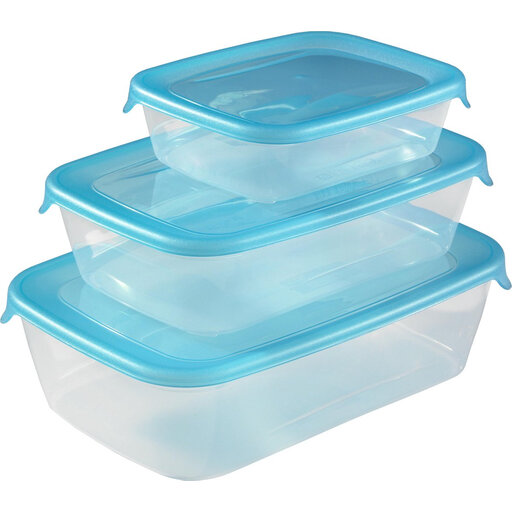
Why This Fits Their Persona: Ideal for those seeking a reliable, no-fuss set for storing leftovers and general kitchen organization. The three different sizes are practical for daily use.
The material is designed for a temperature range of -40°C to +100°C. This directly addresses the pitfall of warping from heat in the dishwasher or microwave.
BPA-free and compliant with European food safety standards. The containers are both stackable and nestable, saving significant storage space.
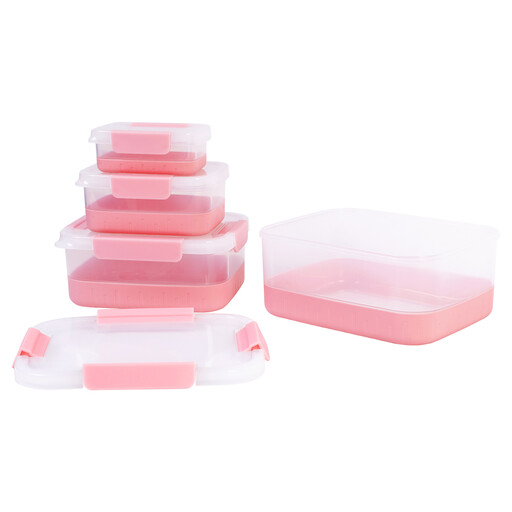
Why This Fits Their Persona: Perfect for anyone who takes lunch to the office or is frequently on the go. For this user, a reliable, leak-proof seal is not a luxury, but a necessity.
The lid with a silicone ring tackles the "leak-proof myth." This ensures a watertight seal you can trust, even with soups or sauces in your bag.
Explicitly designed to be leak-proof and stackable. The set is BPA-free and dishwasher-safe, making cleanup after a workday simple.
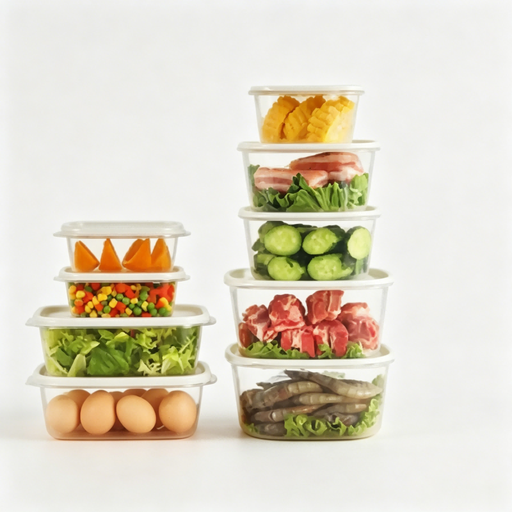
Why This Fits Their Persona: For households that want a complete food container set with various sizes for every imaginable situation, from small snacks to large meals.
By choosing a complete set from a single brand, you are assured of consistent quality and fit. This reduces the risk of brittle latches and ill-fitting lids.
The 9-piece set offers maximum versatility. The containers are airtight, leak-proof, and safe for the microwave and freezer, making them a complete solution.
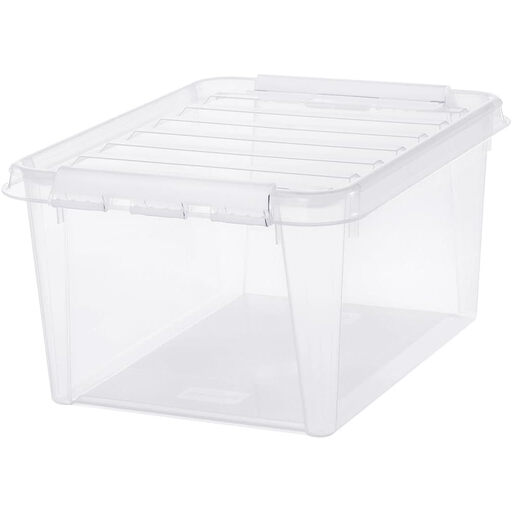
Why This Fits Their Persona: For those who need more than just lunch containers. These large storage boxes are ideal for organizing the pantry, garage, or attic, and for storing bulk ingredients.
These robust boxes are built for durability. The sturdy clips won't break easily, which is a common problem with cheaper, large storage bins.
Large volume (31L) and a transparent design so you can see the contents at a glance. The manufacturer offers a 10-year warranty, which is a strong indicator of build quality.
We have compiled a complete, up-to-date list of products that fully meet these strict selection criteria and safety regulations.
No, definitely not. Always check the product information or the symbols on the bottom of the container. A product must explicitly state that it is microwave-safe (often a symbol with waves) and freezer-safe (a snowflake symbol). Microwave use is almost always intended without the lid to prevent pressure buildup.
The lifespan depends heavily on the quality of the plastic and how you use them. High-quality, BPA-free containers can last for years. Cheaper alternatives may show signs of wear, such as cracks, discoloration, or a poor seal, after just a few months. Replace containers with cracks or a roughened interior surface, as bacteria can more easily harbor there.
Strongly colored or spiced foods (like tomato sauce or curry) can leave stains and odors. To minimize this, you can rinse the containers with cold water immediately after use before washing them with hot water and soap. For stubborn stains, it can help to fill the container with a mixture of water and a little baking soda and let it sit overnight.
