
Vandaag of morgen in huis

Kwaliteit gegarandeerd

Welkomstaanbiedingen ontgrendelen: GRATIS bezorging | Tot 80% korting | Gratis 30 dagen JoyPlus-proefperiode
Download de app
An organized kitchen starts with the right storage solutions. Good food storage containers can mean the difference between a fresh meal and wasted food. But the market is flooded with options that promise more than they deliver. Before you invest in a new set, it's helpful to know what to look for to avoid common pitfalls.
Many people experience the same frustrations: lids that warp after a few washes, containers that retain stains or odours, or the promise of "stackable" resulting in a wobbly tower in your kitchen cabinet. These are the typical problems that arise when marketing claims don't match reality.
food containers have lids that lose their shape after a short time, especially after a cycle in the dishwasher or microwave.microwave-safe can melt, discolour, or even release chemicals when exposed to heat, particularly with high-fat or high-sugar meals.Stackable storage boxes should save space, not create it. A poor design means containers don't fit neatly inside one another (nesting) or are unstable when stacked, leading to cluttered cabinets and refrigerators.To avoid a bad purchase, it's wise to focus on a few concrete specifications rather than marketing terms. These features determine the durability and usability of your food storage container set.
The material is the foundation of a good food storage container. For food storage, it's crucial to choose materials that are safe for food contact.
food containers. This is especially important if you plan to use the containers in the microwave.freezer-safe (down to approx. -20°C or lower) and microwave-safe (up to approx. +100°C) without cracking or warping. Note: lids are often not intended for the microwave.A smart design makes daily use much easier and ensures a tidy kitchen.
Airtight containers with clip-lock systems or lids with a silicone sealing ring typically offer the best performance. This is essential for transporting soups and sauces without leaks and for preserving the freshness of dry ingredients like coffee or pasta.kitchen storage boxes are both stackable (with lids on) and nestable (without lids, inside each other). This saves precious space in your cabinets. A straight, modular design is often more practical than round or irregular shapes.Not everyone has the same needs. Here are some options that suit different use cases, based on their specifications.
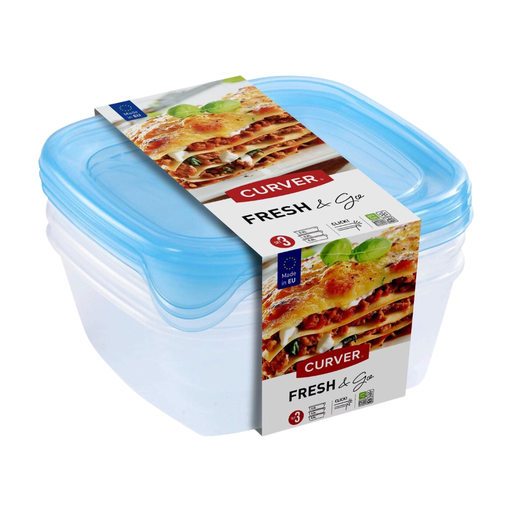
Why This Fits Their Persona: Ideal for preparing individual meals. The 0.8L size is perfect for a lunch portion, and the set of three is convenient for planning ahead. These `meal prep containers` are designed for daily use: from freezer to microwave and then into the dishwasher.
The clip-on lids are designed for repeated use without warping. The material is specified for temperatures from -40°C to +100°C, which substantiates the 'microwave- and freezer-safe' claim.
Made of BPA-free plastic that meets European food safety standards. The containers are both stackable and nestable for compact storage.
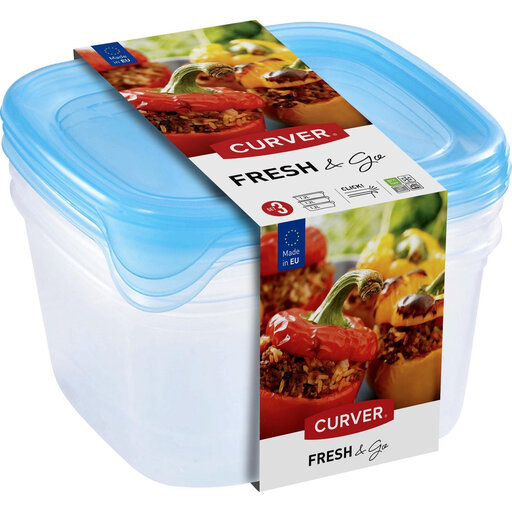
Why This Fits Their Persona: For families who save dinner leftovers or store larger quantities of ingredients. The 1.2-liter capacity is more than sufficient. The square, stackable design maximizes space in a full refrigerator or pantry.
This design tackles the 'stacking chaos'. The containers are specifically designed to stack stably and nest neatly, keeping your kitchen cabinets organized and eliminating the hunt for matching lids.
Large capacity of 1.2 liter per container. The durable, BPA-free plastic withstands heavy use and is dishwasher-, freezer-, and microwave-safe.
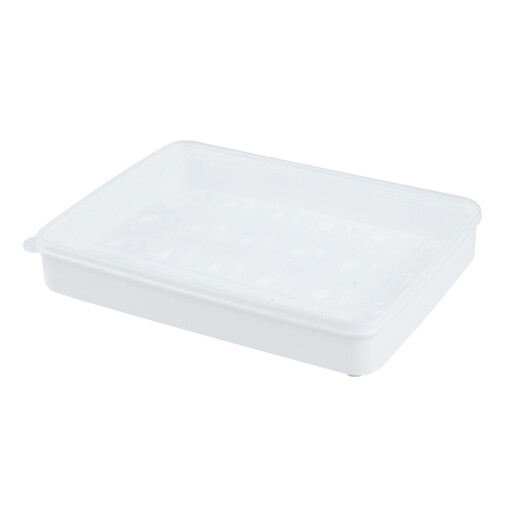
Why This Fits Their Persona: For those seeking a specific solution to a common problem. A standard cardboard egg carton quickly becomes flimsy and offers little protection. This special `refrigerator egg holder` keeps eggs safe, organized, and easy to see.
This isn't a generic container, but a purpose-built product. It solves the problem of fragile eggs and clumsy cardboard boxes with a sturdy, stable, and stackable construction that fits perfectly in the fridge.
Holds up to 24 eggs, is fully transparent for a quick inventory check, and its design is stackable to efficiently use refrigerator space.
We have compiled a complete, up-to-date list of products that meet these selection criteria and current safety standards.
Check the product description for the BPA-free label or look for the recycling code on the product itself. Plastics like polypropylene (PP, code 5) are generally considered safe for food contact. Manufacturers who comply with EU standards typically state this explicitly on the packaging or product page.
This is a common problem, especially with dishes containing strong spices or tomato. An effective method is to fill the container with a mixture of warm water and a tablespoon of baking soda. Let it sit overnight and then rinse it well. Placing a wad of newspaper in a dry, sealed container can also help absorb odours.
A good question. Airtight containers are designed to minimize the exchange of air, which helps keep food fresh longer and contains odours in the refrigerator. Leak-proof goes a step further and guarantees that no liquids can escape, even if the container is tilted. For carrying soups, stews, or meals with sauce, leak-proof meal prep containers, often with a silicone ring in the lid, are a must.
