
Vandaag of morgen in huis

Kwaliteit gegarandeerd

Welkomstaanbiedingen ontgrendelen: GRATIS bezorging | Tot 80% korting | Gratis 30 dagen JoyPlus-proefperiode
Download de app
A leaky lunchbox in your bag or leftovers that are no longer fresh after just one day. Choosing the right food storage containers seems simple, until you're faced with the drawbacks of a bad purchase. Many food storage boxes make big promises but fail to deliver in practice. Before you invest in a new set, it's wise to know the most common pitfalls.
Common problems include lids that warp after a few washes and no longer seal airtight, plastic that gets permanently stained orange after one use with pasta sauce, or a "microwave-safe" claim that only applies to the container itself and not the lid. This leads to frustration and unnecessary expenses.
The choice of material for your food storage containers has the biggest impact on usability, durability, and hygiene. Each material has its own pros and cons.
Glass, particularly borosilicate glass, is a popular choice. It's non-porous, which means it doesn't absorb odours, flavours, or stains. You can store leftover curry or tomato sauce in it without any issues. Additionally, glass containers are often suitable for use in the oven (without the lid) and microwave. The downside is that they are heavier and can break if you drop them.
Plastic is lightweight, generally more affordable, and doesn't break easily, making it a practical choice for a lunchbox you take with you. However, be critical about the quality. Always choose BPA-free plastic containers to ensure no unwanted chemicals leach into your food. Cheaper variants can be prone to discolouration and retaining odours.
Stainless steel (SS) is an extremely durable and lightweight option. Stainless steel containers are unbreakable, don't absorb odours or stains, and are completely free of chemicals. They are ideal for storing salads, snacks, or as a lunchbox. The main disadvantage is that stainless steel cannot be used in the microwave, and you can't see the contents without opening the lid.
A container is only truly functional if it seals properly. The terms airtight and leak-proof are crucial, especially if you want to store or transport soups, sauces, or meals with dressing. A simple snap-on lid is often not enough. The most reliable systems have a silicone ring on the inside of the lid and four-sided locking clips. This combination creates a vacuum seal that prevents leaks and keeps your food fresh for longer. This is an essential feature for good meal prep containers.
To help you with your choice, we have highlighted a few options that suit different needs and budgets, based on their specifications.
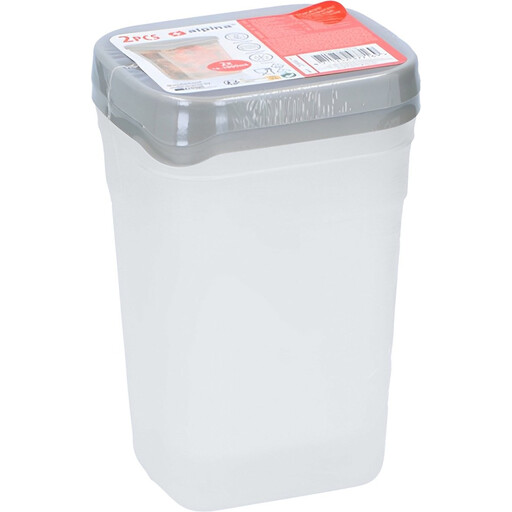
Why it's a match: Ideal for those looking for a functional starter set without a major investment. This set is practical for storing leftovers or packing a simple lunch.
This is a BPA-free plastic set, which helps you avoid the pitfall of unsafe, cheap plastics. The snap-on lid is designed for a reliable, airtight seal for everyday use.
Suitable for the dishwasher, microwave, and freezer, ensuring maximum convenience.
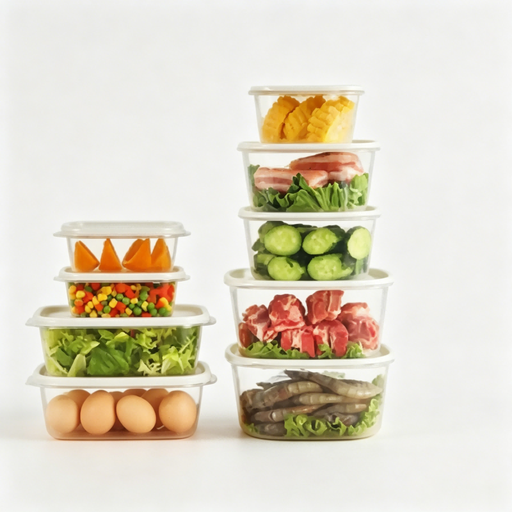
Why it's a match: A complete food storage container set with nine different sizes. Perfect for those who prepare meals for the entire week and need versatile, stackable storage boxes.
According to the manufacturer, the design is leak-proof and airtight. This prevents the frustration of leaking sauces or dressings, a common problem with lower-quality sets.
The set offers containers in various sizes, so you have a suitable size for every meal or portion. Suitable for the freezer and microwave.
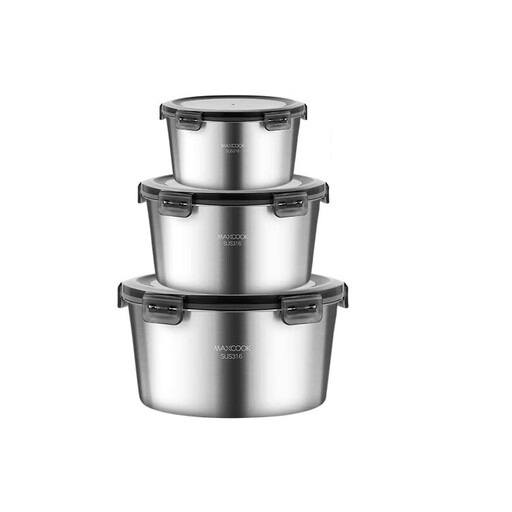
Why it's a match: For those seeking maximum durability and hygiene. These stainless steel containers are a long-term investment, ideal for anyone wanting to avoid plastic completely.
Stainless steel does not absorb odours or colours, unlike many plastic containers that permanently discolour after a few uses. These containers will continue to look brand new.
Made from high-grade 316 stainless steel, known for its superior corrosion resistance and hygiene. The set is freezer- and dishwasher-safe.
A good food storage container is essential for anyone who wants to reduce food waste. If you're specifically looking for containers that can safely go in the freezer, we have a selection for you.
This depends on your priorities. Glass is more hygienic, doesn't stain, and can often go in the oven. However, it is heavier and breakable. Plastic is lightweight, stackable, and ideal for on-the-go. When choosing plastic, always opt for a high-quality, BPA-free variant to minimise discolouration and odour absorption.
Look at the locking mechanism. The most reliable food containers have a lid with a flexible silicone rim and four sturdy locking clips on each side. This combination creates a much stronger seal than a simple press-on lid.
In most cases, this is not recommended. Heat can warp the lid, especially the silicone seal, causing it to no longer close properly. Most manufacturers advise removing the lid or placing it loosely on the container when heating in the microwave. Always check the product's specific instructions.
