
Vandaag of morgen in huis

Kwaliteit gegarandeerd

Welkomstaanbiedingen ontgrendelen: GRATIS bezorging | Tot 80% korting | Gratis 30 dagen JoyPlus-proefperiode
Download de app
An organised kitchen starts with good storage solutions. Yet, the search for the perfect food storage containers often leads to a cabinet full of disappointments: lids that no longer fit, containers permanently stained orange after one use with bolognese sauce, or a lunch that has leaked all over your bag. Recognising the common pitfalls is the first step toward a tidy fridge and a stress-free lunch.
Before you invest in a new food container set, it's helpful to understand the most common issues that can render your purchase useless:
storage boxes that don't stack or fit inside each other (nest) creates more chaos instead of order. This makes them a poor kitchen organiser and wastes precious space.To avoid wasting money, there are a few core specifications you should always check. These determine the functionality and lifespan of your food storage containers.
The choice of material has the biggest impact on usability.
Stainless steel food containers are ideal as a lunch box because they don't retain flavours. However, they cannot be used in the microwave, and you can't see the contents without opening the lid.A good seal keeps your food fresh and prevents leaks. Look beyond a simple snap-on lid. Systems with four-sided locking clips and a removable silicone sealing ring typically offer the most reliable, airtight canisters. Also, check if the ring is easy to remove for thorough cleaning.
Efficiency is crucial. Stackable storage boxes with a square or rectangular shape make the most of the space in your fridge, freezer, and kitchen cabinets. Round containers often lead to unused corners. Also, pay attention to whether the containers are 'nestable': meaning the empty containers of different sizes fit inside one another to save space.
Not everyone has the same needs. Here are a few options tailored to specific users.
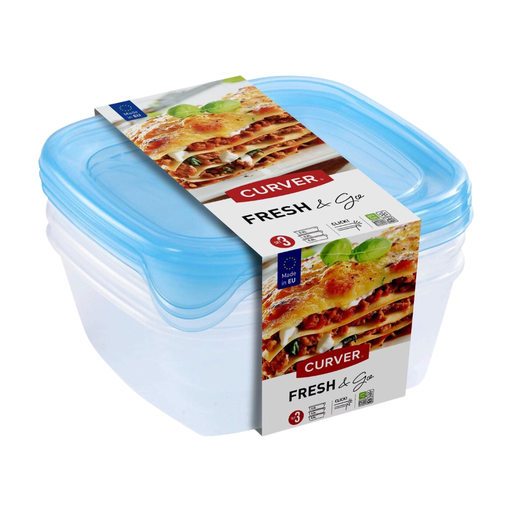
Why This Fits Their Persona: Ideal for those starting with meal prepping. This set is affordable, versatile, and designed for daily use: from freezing to reheating in the microwave and cleaning in the dishwasher.
The BPA-free plastic is resistant to temperatures from -40°C to +100°C, which reduces the risk of warping. The snap-on lids with convenient tabs provide a secure seal for everyday use.
The set is both stackable and nestable, ensuring an efficient and tidy cabinet. Suitable for the freezer, microwave, and dishwasher.
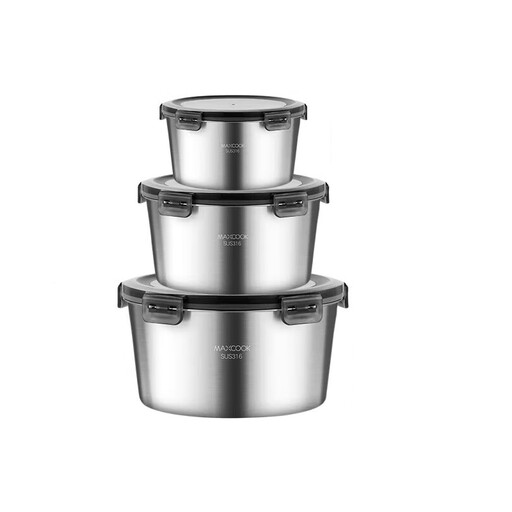
Why This Fits Their Persona: For those who want to avoid plastic and invest in a solution that will last a lifetime. Perfect for taking lunch to go or storing leftovers without worrying about chemicals or odours.
Made from 316 stainless steel, a material that does not warp, stain, or absorb odours. This completely solves the most common problems associated with plastic containers.
Superior corrosion resistance and hygiene. The set is freezer and dishwasher safe, and the different sizes are practical for various meals and snacks.
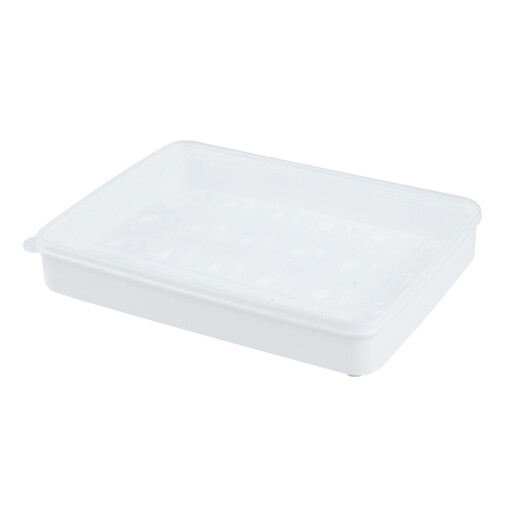
Why This Fits Their Persona: For anyone tired of flimsy cardboard egg cartons. This sturdy, transparent, and stackable storage box offers a specific solution to a common organisational problem in the fridge.
This product tackles a specific, often overlooked problem: storing eggs safely and efficiently. Its sturdy construction prevents breakage, unlike standard packaging.
The transparent design gives you an instant overview of your stock. The boxes are stackable, allowing you to make optimal use of the vertical space in your fridge.
We have compiled a complete, up-to-date list of products that meet these strict selection criteria and EU safety regulations.
No, this is a common mistake. Always check the product information. Stainless steel food containers should never be put in the microwave. Glass containers often can be, but the plastic lid usually cannot, or only on a low setting. For plastic containers, look for specific labels like 'microwave-safe' and 'dishwasher-safe' and follow the manufacturer's instructions.
Rinse containers immediately after use, especially after storing strongly coloured or spiced foods like tomato sauce or curry. A paste of baking soda and water can help remove stubborn odours. Opting for glass storage containers or stainless steel is a permanent solution to this problem.
BPA (Bisphenol A) is a chemical used in some types of hard plastic. There are concerns that BPA can leach from the plastic into food. 'BPA-free' means the manufacturer has not used this specific chemical in the product, which is considered a safer choice for food storage containers by many consumers.
