
Vandaag of morgen in huis

Kwaliteit gegarandeerd

Welkomstaanbiedingen ontgrendelen: GRATIS bezorging | Tot 80% korting | Gratis 30 dagen JoyPlus-proefperiode
Download de app
A good set of food storage containers can make a world of difference in the kitchen. It helps reduce food waste, keeps your fridge and pantry organised, and makes meal prepping significantly easier. But the search for the right containers often leads to frustration. Many products overpromise and underdeliver, resulting in leaky lids, stubborn stains, and a chaotic jumble of mismatched parts.
Before you invest in a new set, it's wise to understand the most common pitfalls. This will prevent you from spending money on kitchen storage containers that need replacing after just a few months.
food storage container set that doesn't nest efficiently or stack stably creates more clutter in your kitchen cabinets, not less.To avoid a bad purchase, it's smart to focus on a few concrete product features rather than marketing promises. These are the three most important points to check.
The material determines the durability, safety, and usability of your food storage containers.
A good lid is crucial. A truly airtight food canister or meal prep container needs more than a simple plastic lid. Look for the following features:
containers with lids that you take on the go.An organised kitchen starts with smart storage.
Not everyone needs the same type of food container. Here are a few options tailored to specific needs.
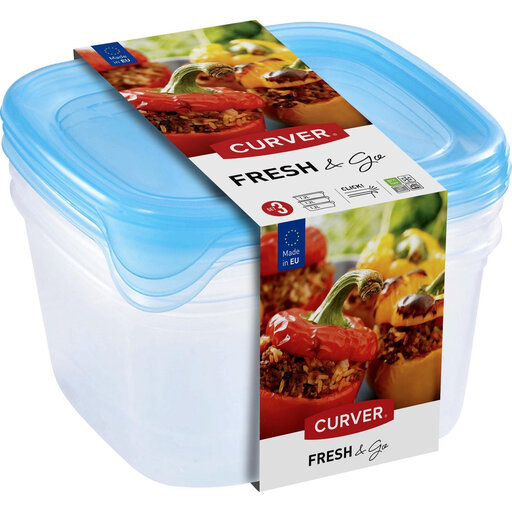
Why This Fits Their Persona: Ideal for those who prep meals for the entire week. The generous 1.2L capacity is perfect for a full meal. They are designed for use in the freezer, microwave, and dishwasher, streamlining the entire process from prep to cleanup.
The lids provide a snug fit and are designed to help prevent leaks. The BPA-free plastic is made for a temperature range of -40°C to +100°C, which reduces the risk of warping or staining with proper use.
The set is both stackable (with lids) and nestable (without lids), optimising storage space. The handy tabs on the lids make opening them easy.
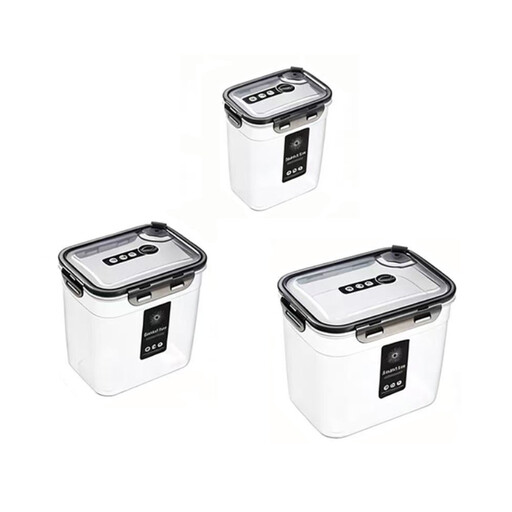
Why This Fits Their Persona: Perfect for anyone who wants a tidy and well-organised pantry. This set is specifically designed for dry foods like cereal, pasta, and flour. The different sizes provide a uniform look and efficient storage.
These containers are designed as airtight canisters, with a focus on keeping contents dry and fresh. The transparent design means you don't have to guess what's inside, which aids organisation.
The sleek, rectangular design maximises storage space in cabinets and drawers. The set of three different, spacious sizes is a great foundation for organising your pantry.
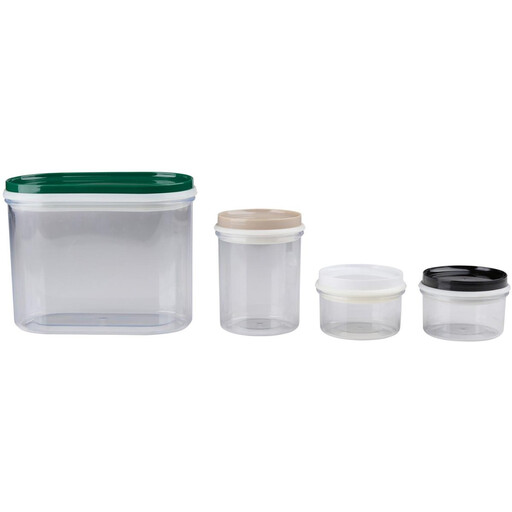
Why This Fits Their Persona: An affordable and versatile starter set for students or anyone looking for a simple solution. This set of four identical containers is handy for storing leftovers, packing a lunch, or organising ingredients.
This is a no-nonsense set. It's not a high-tech product, but a practical, basic solution. Because all the containers and lids are identical, you avoid the chaos of mismatched parts.
The set is very accessibly priced and offers a direct, functional solution for daily use. The transparent plastic makes the contents immediately visible.
We have compiled a complete, up-to-date list of products that meet these selection criteria and Dutch safety regulations.
No, not all of them. Always check the symbols on the bottom of the container or the packaging. Generally, containers made of polypropylene (PP) are more likely to be microwave-safe than those made of PET or other plastics. Always heat food without the lid to prevent pressure build-up, or place the lid loosely on top if you want to prevent splatters.
Staining from foods like tomato sauce or turmeric is difficult to avoid completely with plastic. To minimise it, you can rinse the containers with cold water immediately after use before washing them with hot water and soap. For stubborn odours, it can help to fill the container with a mixture of water and a little vinegar and let it sit for a few hours.
Stackable means that the filled containers with their lids on can stand firmly on top of each other. This is useful for storage in the fridge or freezer. Nestable means that the empty containers fit inside one another, often with the lids stored separately, to save space in your kitchen cabinet. A good food storage container set is ideally both.
