
Vandaag of morgen in huis

Kwaliteit gegarandeerd

Welkomstaanbiedingen ontgrendelen: GRATIS bezorging | Tot 80% korting | Gratis 30 dagen JoyPlus-proefperiode
Download de app
An organised kitchen starts with the right storage solutions. The right food storage containers can be the difference between a tidy fridge and chaos, between fresh meals and food waste. But the market is flooded with options, and not every container delivers on its promise. Before you invest in a new set, it's helpful to know the common pitfalls that lead to buyer's remorse.
As a Product Recommendation Officer at Joybuy, I see a lot of products come and go. I cut through the marketing hype and filter the specs to help you make a practical choice.
To avoid the problems above, focus on a few concrete product features. These specifications determine whether your new food storage containers will be a long-lasting asset or a source of frustration.
The choice between glass and plastic depends on your needs.
A lid isn't just a lid. For airtight pantry canisters and leak-proof meal prep containers, the type of seal is crucial.
For a tidy kitchen, efficient storage is a must.
Based on these criteria, we have selected a few popular choices that suit different needs.
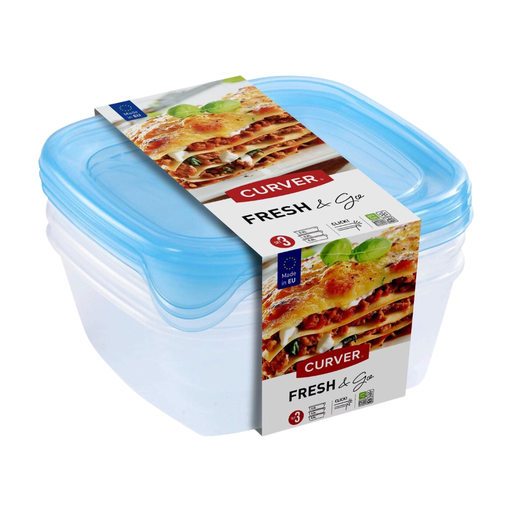
Why This Fits Their Persona: Ideal for those who prep their meals weekly. This set is practical, affordable, and designed for daily use. The containers can go straight from the freezer to the microwave and then into the dishwasher.
The durable, BPA-free plastic is designed for temperatures from -40°C to +100°C, preventing it from warping (pitfall #2). The locking lids seal tightly to maintain freshness.
Freezer, microwave, and dishwasher safe. The set is both stackable and nestable, which saves space.
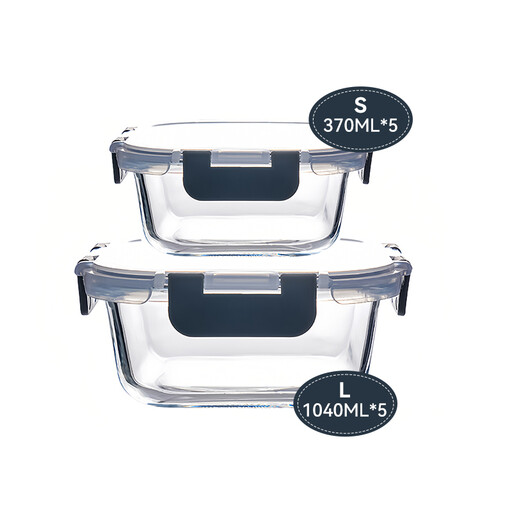
Why This Fits Their Persona: For those who prioritise hygiene and durability. These glass containers are perfect for storing leftovers, soups, or strongly spiced dishes without retaining odours or stains.
High borosilicate glass is non-porous, preventing stains and odours (pitfall #2). The robust snap-lock lids provide a superior, leak-proof seal (pitfall #1).
Extremely heat-resistant and hygienic. The set includes various sizes for different purposes.
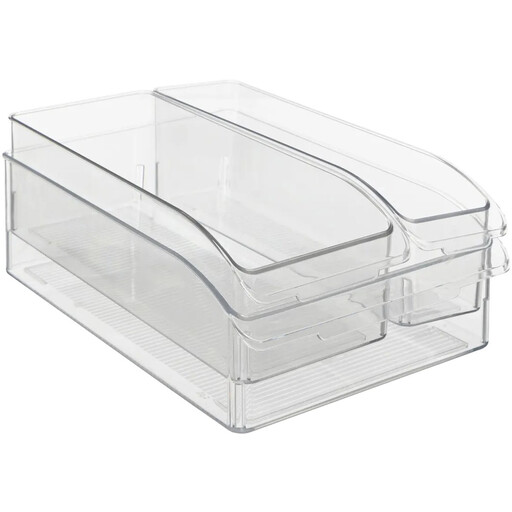
Why This Fits Their Persona: This set isn't for taking lunch on the go, but purely for creating order in the fridge. Perfect for grouping yoghurts, fruits, vegetables, or cans, making everything organised and easy to grab.
It tackles the core of pitfall #3 (impractical design). Instead of loose items, this fridge organiser allows you to create dedicated zones. The transparent design helps you keep track of what you have in stock.
Equipped with handles to easily slide the bins out of the fridge. Made from sturdy, BPA-free PET plastic.
We've compiled a complete, up-to-date list of products that fully meet these strict selection criteria and safety regulations.
No, not all of them. Always check the product information or the symbols on the bottom of the container. Choose containers explicitly labelled as 'microwave-safe' and BPA-free. It's advisable to remove the lid or place it loosely on the container during heating to prevent pressure build-up.
Rinse the containers immediately after use, especially after storing foods with strong pigments like tomato sauce or turmeric. Avoid microwaving very fatty or sugary meals in plastic, as this can damage the material. For stubborn odours, a paste of water and baking soda can help.
These terms are often used interchangeably, but they mean different things. Stackable refers to the ability to place full containers with lids stably on top of each other, which is ideal for fridge organisation. Nestable means that the empty containers fit inside one another, allowing for compact storage in a kitchen cabinet. A good set of kitchen storage containers has both features.
