
Vandaag of morgen in huis

Kwaliteit gegarandeerd

Welkomstaanbiedingen ontgrendelen: GRATIS bezorging | Tot 80% korting | Gratis 30 dagen JoyPlus-proefperiode
Download de app
An overflowing refrigerator, leftovers that spoil faster than you can eat them, and a stack of clumsy containers that take up more space than they save. Sound familiar? Finding the right food storage containers seems simple, until you realize you've wasted money on products that don't deliver on their promises. Many households struggle with food waste and a disorganized kitchen.
Before you purchase a new food container set, it's important to recognize the common pitfalls:
To avoid a bad purchase, focus on a few objective features. These specifications determine whether a food container is truly practical for daily use, from meal prep containers to an organized refrigerator organizer.
The material determines durability, safety, and ease of use.
A truly airtight lid is essential. Look at the locking mechanism. Sturdy clips on the sides often provide a more reliable seal than a simple snap-on lid. A silicone rim inside the lid creates an extra barrier against leaks and air. This is especially important if you're storing liquids like soup or taking your meal prep containers on the go.
Practical convenience is in the details. Check if the containers are efficiently stackable, both with and without lids. This immediately saves space in your kitchen storage and refrigerator. Also, look at the temperature resistance. A product that is suitable for both the freezer (-20°C) and the microwave (+100°C) offers the most flexibility. Note: when using in the microwave, the lid should almost always be removed to prevent pressure buildup.
Based on these objective criteria, we have selected a number of products that suit different needs and households.
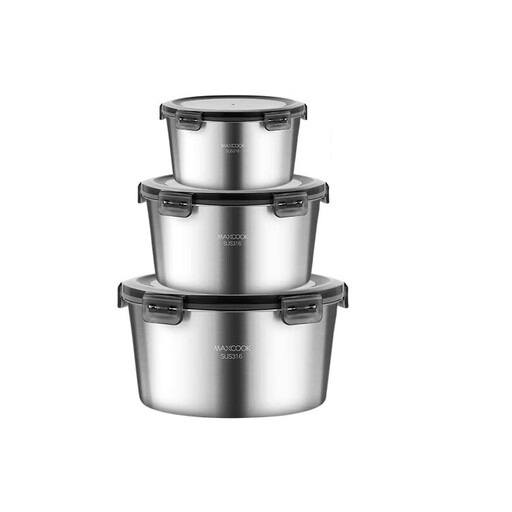
Why This Fits Their Persona: This set is for those who invest in products that last a lifetime. Made from high-grade 316 SS, it's a plastic-free alternative that withstands heavy use without retaining odors or stains.
The stainless steel material does not warp or discolor, unlike plastic containers. The sturdy construction and well-fitting lids ensure reliable storage, year after year.
Made from food-grade 316 SS for superior hygiene and corrosion resistance. The set is dishwasher- and freezer-safe, and the containers are nestable for compact storage.
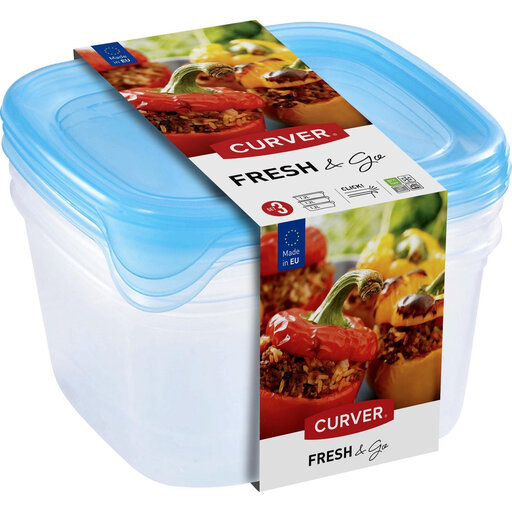
Why This Fits Their Persona: For those who prepare meals in advance, a reliable and versatile set is crucial. These meal prep containers are large enough for a full meal, BPA-free, and suitable for the entire cycle: freezer, refrigerator, microwave, and dishwasher.
The snap-on lids seal tightly to prevent leaks. The high-quality plastic is designed for a temperature range of -40°C to +100°C, ensuring it won't warp with proper use.
The set is both nestable and stackable for efficient storage. The lids have convenient tabs for easy opening, even with cold hands straight from the freezer.
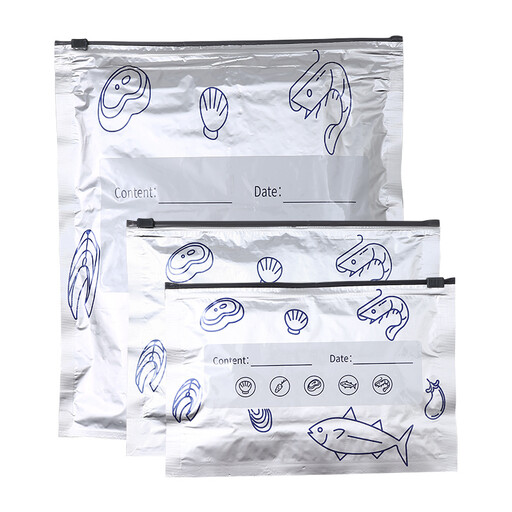
Why This Fits Their Persona: For those who want to utilize every inch of their freezer or refrigerator. These flexible, reusable bags take up much less space than rigid food containers and are ideal for freezing meat, fish, or sauces flat.
These bags tackle the problem of inefficient storage. Instead of bulky, half-empty containers, these bags conform to their contents. The slider zip provides a reliable, airtight seal.
The aluminum foil material blocks light and helps reduce oxidation. The bags have a writable label for easy organization and are washable and reusable.
We have compiled a complete, up-to-date list of products that fully meet these strict selection criteria and safety regulations.
A reliable indicator is the locking mechanism. Look for lids with four-sided locking clips and a visible silicone sealing ring. This combination creates a much stronger and more consistent seal than a simple press-on lid.
No, not all of them. Always check the product information or the symbols on the bottom of the container. A symbol with wavy lines indicates microwave-safe, and a symbol with water droplets indicates dishwasher-safe. Always remove the lid before placing a container in the microwave to prevent pressure buildup and potential damage.
Both are food-safe grades of stainless steel. The main difference is that 316 SS contains an addition of molybdenum. This makes the material significantly more resistant to corrosion from salts and acids. For storing items like tomato sauce, pickles, or cured meats, 316 SS offers greater long-term durability and hygiene.
