
Vandaag of morgen in huis

Kwaliteit gegarandeerd

Welkomstaanbiedingen ontgrendelen: GRATIS bezorging | Tot 80% korting | Gratis 30 dagen JoyPlus-proefperiode
Download de app
A great set of food storage containers can be the difference between an organized kitchen and chaos. Whether you're meal prepping for the week, saving leftovers to reduce food waste, or simply want a tidy fridge, the right containers are indispensable. But the market is flooded with options and marketing promises that don't always deliver. A leaky lunch box in your bag or a plastic container that warps after a single trip to the microwave are common frustrations.
As a Product Recommendation Officer at Joybuy, I see a lot of products come and go. I'm here to help you avoid the common pitfalls so you can choose a set that truly fits your daily life.
The 3 most common pitfalls when buying food storage containers:
To avoid a purchase you'll regret, it's wise to focus on a few key specifications. These will determine how practical the containers are for everyday use.
The material is your most important choice. Each type has its own pros and cons.
You can spot a truly airtight food container by its lid. A simple press-on lid often doesn't seal completely. Look for lids with a silicone seal on the inside and four-sided locking clips. This mechanism presses the lid evenly onto the container's rim, creating a reliable, leak-proof seal. This is essential for keeping your food fresh and preventing spills.
A good set is designed for efficiency. Stackable containers save precious space in your fridge and kitchen cabinets, acting as an effective kitchen organizer. If you plan on preparing meals in advance, meal prep containers that can go in both the freezer and the microwave are a must. Always check the symbols or description for suitability as freezer-safe containers and for microwave use.
Below is a selection of products that suit different needs, based on their specifications.
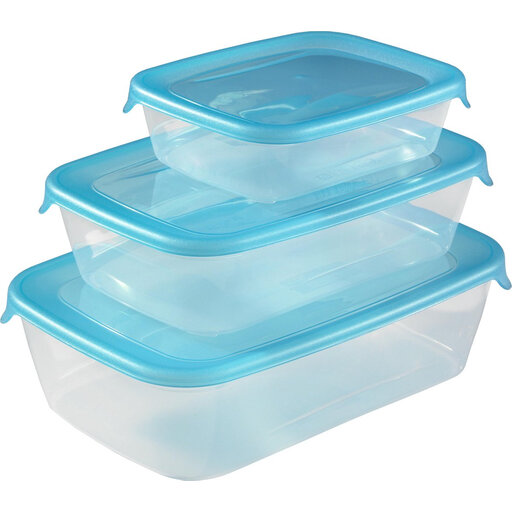
Why This Fits Their Persona: Ideal for those starting with meal prep or looking for a reliable basic set without a major investment. The three different sizes (0.5L, 1L, 2L) are practical for everyday use, from a portion of soup to a full meal.
This set from a well-known brand offers predictable quality, avoiding the gamble of unbranded plastic that quickly warps or stains (pitfall #2). The sizes are well-chosen for general use, which prevents the problem of unusable containers (pitfall #3).
BPA-free and suitable for the freezer, microwave, and dishwasher. The containers are nestable, which saves space during storage.
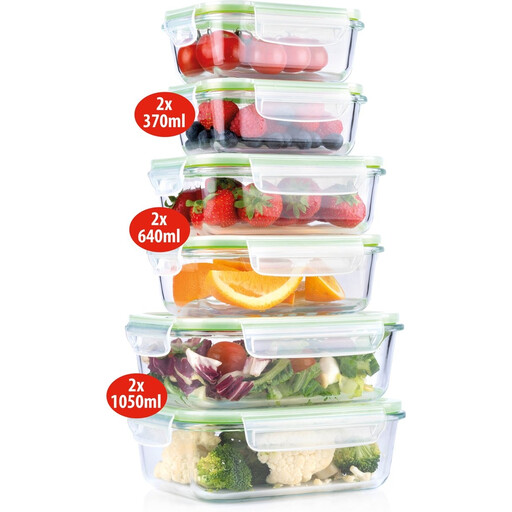
Why This Fits Their Persona: For those who prepare multiple meals a week and need durable, versatile containers that can go from the freezer to the oven. Glass is hygienic and doesn't retain odours or colours, making it ideal for varied meals.
Made from borosilicate glass, so it won't warp or absorb stains (avoids pitfall #2). The lids with a locking system provide a reliable, airtight seal, minimizing the risk of leaks (avoids pitfall #1).
Oven-safe (without lid), scratch-resistant, and a complete set with 3 commonly used sizes (370ml, 640ml, 1050ml).
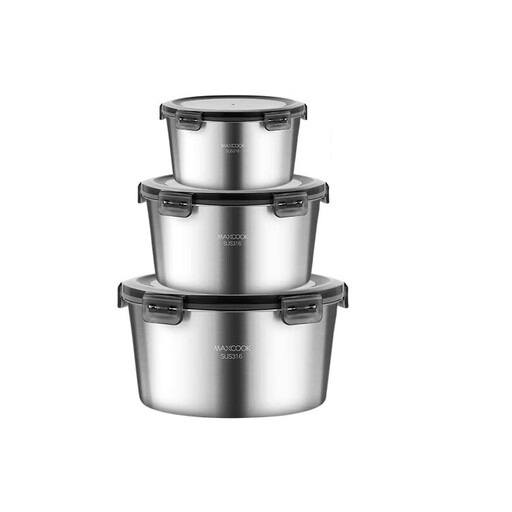
Why This Fits Their Persona: Perfect for those who want to avoid plastic and invest in long-lasting products. Ideal as a lunch box for adults or for storing leftovers in the fridge and freezer. Lightweight and robust.
Stainless steel is unbreakable and doesn't degrade like plastic, avoiding pitfall #2 in the long run. It's a conscious choice for sustainability, eliminating the need to replace plastic containers regularly.
Made from high-quality 316 stainless steel, known for its excellent corrosion resistance. The set is freezer- and dishwasher-safe. Note: not suitable for the microwave.
We have compiled a complete, up-to-date list of products that meet these selection criteria and current safety standards.
There's no single answer; it depends on your priorities. Glass containers are more hygienic, don't absorb odours or stains, and can often go in the oven. They are ideal for home use and reheating meals. Plastic containers are lighter, usually cheaper, and less fragile, making them a better choice for taking on the go.
Look at the locking mechanism. The most reliable airtight food containers have a lid with a silicone gasket and four sturdy locking clips, one on each side. This creates even pressure and a watertight seal. A simple press-on lid rarely offers the same guarantee.
No, absolutely not. Always check the product description or the symbols on the product itself.
