
Vandaag of morgen in huis

Kwaliteit gegarandeerd

Welkomstaanbiedingen ontgrendelen: GRATIS bezorging | Tot 80% korting | Gratis 30 dagen JoyPlus-proefperiode
Download de app
A good set of food storage containers can bring a great deal of order to your kitchen. Leftovers stay fresh longer, meal prepping becomes effortless, and your fridge finally looks organised. But the search for the right containers often leads to frustration: a bag leaking from a lid that won't seal, plastic that warps after a single use, or a kitchen cabinet overflowing with useless sizes.
As a Product Recommendation Officer at Joybuy, I see the daily struggles consumers face. Before you invest in a new set, it's wise to understand the most common pitfalls.
food storage container set with twenty pieces might seem like a great deal, until you realise half of them are minuscule containers that are too small to be useful.By paying attention to a few key points, you can avoid these problems and make a purchase you'll be happy with for years to come.
The specifications on the packaging can be overwhelming. Focus on the following three features to make an informed decision.
Most plastic containers with lids are made from polypropylene (PP) or polyethylene (PE). The most important factor is that the material is BPA-free. This means no Bisphenol A was used, a chemical you want to keep out of your food. Products sold in the EU must comply with strict food safety regulations.
Also, check the indicated temperature range. A good container can handle temperatures from -20°C to +100°C. This makes them suitable as freezer containers and microwave-safe containers.
An airtight lid is essential. It prevents leaks, keeps food fresh longer, and protects against freezer burn. There are generally two types of seals:
For transporting soups or sauces, a clip-on lid is the safest choice. For storing dry goods or leftovers in the fridge, a flexible lid may suffice.
An organised kitchen starts with smart storage. Opt for kitchen storage containers that are both stackable (with lids on) and nestable (fitting inside each other without lids). This saves a tremendous amount of space in your cabinets. Think about which sizes you will actually use. A mix of small (for snacks), medium (for meal prep containers), and large containers (for leftovers or soup) is often the most practical.
To help you choose, we've matched some popular food containers with different user profiles.
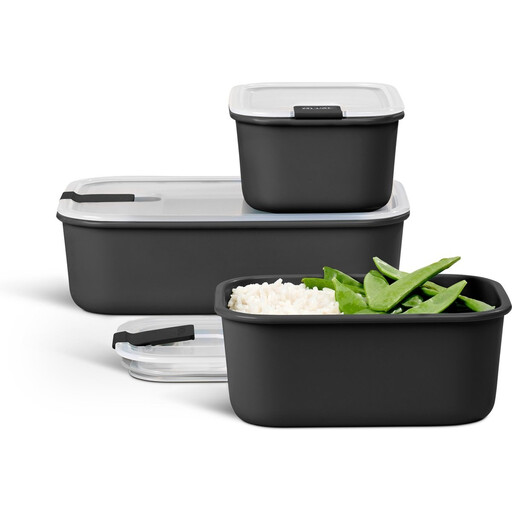
Why This Fits Their Persona: Ideal for those who prepare and carry meals. The sizes are perfect for a lunch, and the reliable seal ensures your bag stays clean.
The EasyClip closure is guaranteed leak-proof and airtight with a single click, avoiding the "false airtight promise" pitfall.
The lid features a unique steam vent, allowing the container to be used safely in the microwave (with the vent open). Made in the Netherlands.
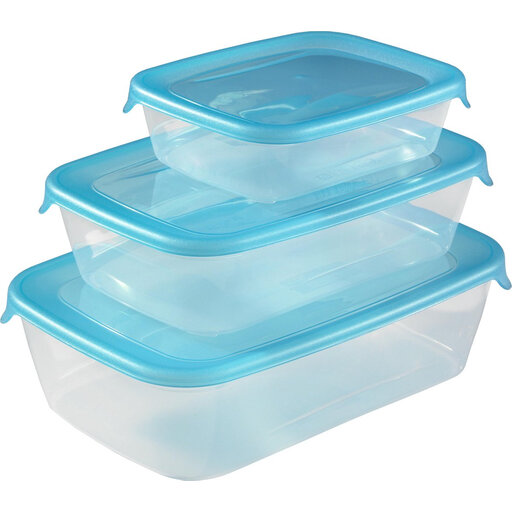
Why This Fits Their Persona: This set offers three different, highly practical sizes for storing leftovers, salads, or chopped vegetables. Perfect for a busy household and an organised fridge.
Instead of an excess of tiny containers, you get three sizes that you will actually use daily. The nestable design prevents a cluttered kitchen cabinet.
The set is stackable and nestable for efficient storage. The material is suitable for the freezer, microwave (without lid), and dishwasher.
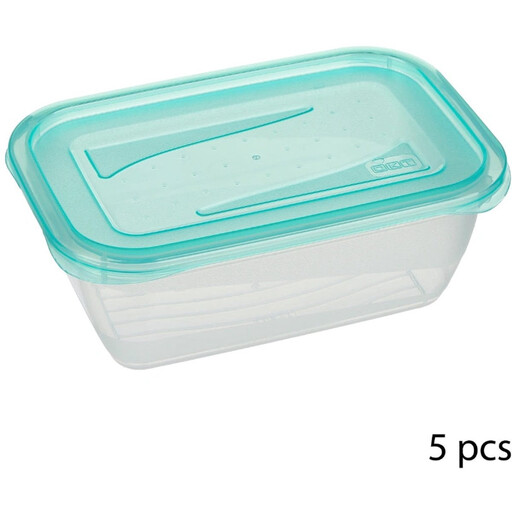
Why This Fits Their Persona: An affordable and practical starter set for students or single-person households. Five identical, compact containers that are perfect for portion control or storing small leftovers.
This set delivers exactly what it promises: five containers of a practical, uniform size. No useless extras. The PE material is specified as dishwasher and microwave safe.
Very compact and space-saving, both in the cabinet and in the freezer. The transparent design makes it easy to identify the contents.
We have compiled a complete, up-to-date list of products that fully meet these strict selection criteria and UK/EU safety regulations.
Yes, provided you choose containers specifically intended for food. Look for the BPA-free label. Products sold within the European Union must comply with strict legislation for food contact materials, which ensures a high level of safety.
Not all of them. Always check the manufacturer's specifications. Most modern food containers are designed for a wide temperature range, but there are exceptions. For microwave use, it is important to remove the lid or open any steam vent to prevent pressure build-up.
To minimise stains and odours, it is advisable to rinse the containers immediately after use, especially with strongly coloured foods like curry or tomato-based dishes. Most containers are dishwasher-safe, which helps to clean them thoroughly. For stubborn odours, soaking the container in water with a little vinegar can help.
