
Vandaag of morgen in huis

Kwaliteit gegarandeerd

Welkomstaanbiedingen ontgrendelen: GRATIS bezorging | Tot 80% korting | Gratis 30 dagen JoyPlus-proefperiode
Download de app
A great set of food storage containers can bring a sense of calm to your kitchen. Leftovers stay fresh longer, your lunch won't leak in your bag, and your fridge finally looks organised. But the search for the right containers is often frustrating. The market is flooded with options that promise a lot but don't always deliver.
As a Joybuy Product Recommendation Officer, I'm here to help you cut through the marketing noise. We'll look at the details that truly matter, so you can make a choice you'll be happy with for years to come. First, let's discuss the most common pitfalls.
Before you invest in new storage containers for your kitchen, it's wise to know what can go wrong. Many containers end up at the back of a cupboard or in the bin after just a few months.
To avoid the problems mentioned above, there are a few technical features you should check. These determine the durability and user-friendliness of your food containers.
The choice of material has the biggest impact on usability.
Look beyond the "airtight" claim. True airtight food containers have two key features: a silicone ring on the inside of the lid and sturdy locking clips on all four sides. This combination creates a seal that keeps liquids in and air out, helping your food stay fresh longer. A simple snap-on lid is fine for solid food in the fridge, but not for a lunch you're taking on the go.
A good design saves space. Check if the containers are both stackable (with lids on) and nestable (without lids). This makes a huge difference for a tidy pantry or for use as a fridge organizer. Also, look at the specified temperature range (e.g., -40°C to +100°C). This objectively tells you if a container is truly suitable for both the freezer and the dishwasher.
Not every food container is right for everyone. Below are a few options tailored to different needs.
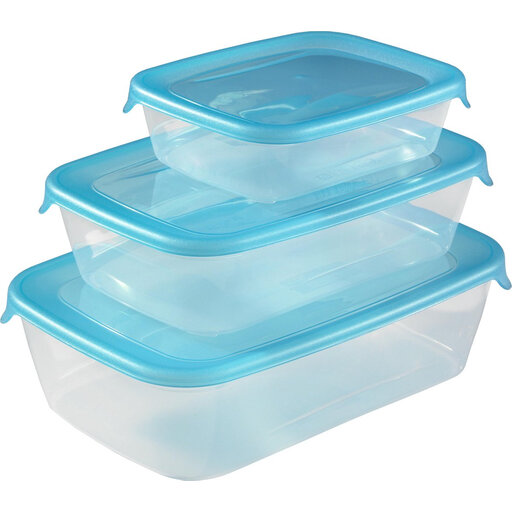
Why This Fits Their Persona: Ideal for anyone looking for a reliable and affordable starter set. The different sizes are handy for leftovers, lunch, and storing ingredients. A no-fuss solution for everyday use.
The BPA-free plastic is designed for a temperature range of -40°C to +100°C, which reduces the risk of warping in the microwave or dishwasher. The set is nestable, which prevents 'lid chaos'.
Suitable for the freezer, microwave (without lid), and dishwasher. The set is stackable and nestable for efficient storage.
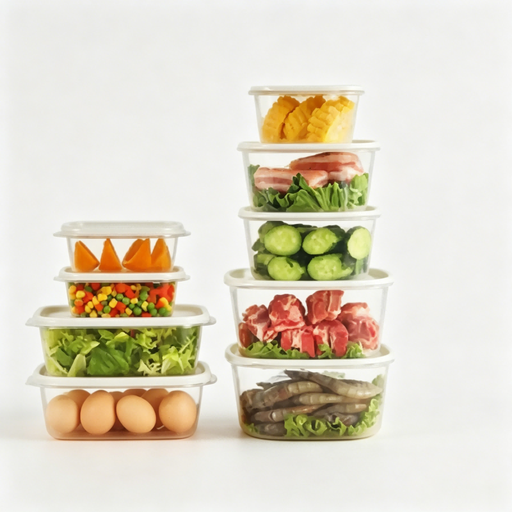
Why This Fits Their Persona: This set is designed for those who prepare their meals for the week. The leak-proof seal is crucial for transporting soups and sauces. The various sizes make it easy to portion out complete meals and snacks.
The manufacturer specifies that the set is leak-proof, directly addressing the pitfall of leaky lids. These containers are specifically designed as meal prep containers and are therefore built for transport.
Airtight and leak-proof seal. The set is suitable for the microwave, freezer, and dishwasher, which is essential for an efficient meal prep process.
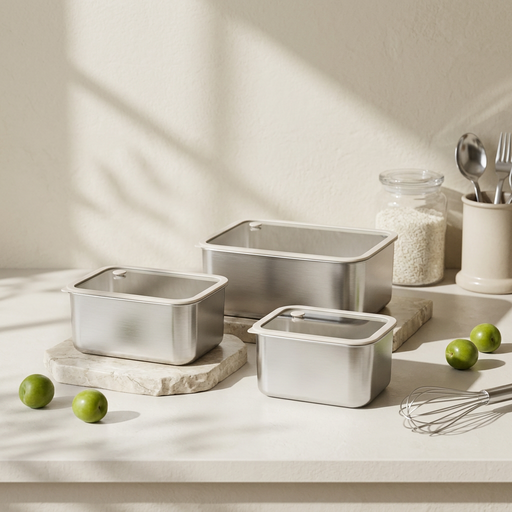
Why This Fits Their Persona: For those who invest in durability and hygiene. Stainless steel is a robust material that lasts a lifetime. This set is perfect for storing food without the risk of staining or absorbing odours.
The 304 stainless steel completely avoids the pitfall of warping and staining. The glass lid with a silicone ring ensures a reliable, leak-proof seal, unlike cheap plastic lids.
Made from food-grade 304 stainless steel, corrosion-resistant, and hygienic. The containers are stackable to save space, and the lids are made of heat-resistant borosilicate glass.
We have compiled a complete, up-to-date list of products that fully meet these strict selection criteria and all relevant safety standards.
BPA-free means the product is made without the chemical Bisphenol A. This substance is sometimes used in plastic production and, according to various studies, can leach into the body upon exposure. Although the precise effects are still being researched, many people choose BPA-free products as a precaution, especially when it comes to food storage.
No, metal, and therefore stainless steel food containers, should never be put in the microwave. Metal reflects microwaves, which can cause sparks and damage the appliance. However, stainless steel is safe for use in the refrigerator, freezer, and sometimes even the oven (always check the manufacturer's specifications).
Most modern food containers are dishwasher-safe. For a longer lifespan, especially for the silicone sealing ring, it's recommended to wash the lids by hand. To remove stubborn stains or odours from plastic containers, you can soak them in a mixture of water and a bit of baking soda.
