Vandaag of morgen in huis

Kwaliteit gegarandeerd

Welkomstaanbiedingen ontgrendelen: GRATIS bezorging | Tot 80% korting | Gratis 30 dagen JoyPlus-proefperiode
Download de app
A soggy sandwich, a lukewarm salad, or worse, a bag full of leaked soup. These are the minor annoyances that can ruin a lunch break. Whether you're a professional eating hastily at your desk, a student needing a meal between classes, or a parent preparing lunches for the whole family, a good food storage container is essential.
However, the selection is vast. How do you choose the right lunch box from the countless options? In this article, we'll guide you through the process. We'll skip the marketing jargon and focus on the specs that really matter, so you can make an informed choice for your food storage containers.
The search for the perfect container doesn't have to be complicated. Pay attention to the following three points, and you'll quickly find a model that fits your lifestyle.
Most food storage containers are made of plastic. When choosing, look for the BPA-free label. BPA (Bisphenol A) is a chemical used in some plastics. Although its use is regulated, many people prefer BPA-free products for storing food. These containers are also often microwave-safe, which is convenient for heating up your meal prep containers. However, always check if the lid can also go in the microwave; this is usually not the case.
Nobody wants a bag full of yoghurt or dressing. Leak-proof food containers are therefore a must-have, especially if you're transporting liquids. There are several types of seals:
yogurt cup to-go or soup. They seal tightly and are easy to open.A good seal not only keeps liquids in but also ensures your food stays fresh for longer.
Think about what you want to carry. A large salad box requires different dimensions than a container for a small snack. Many brands, like Mepal food storage containers, offer sets with various sizes. This is ideal for meal prep, allowing you to prepare meals for the entire week. Also, check if the containers are stackable or nestable. This saves valuable space in your kitchen cabinets.
Based on the criteria above, we've listed a few popular choices for you. These products stand out for their specific features and ease of use.
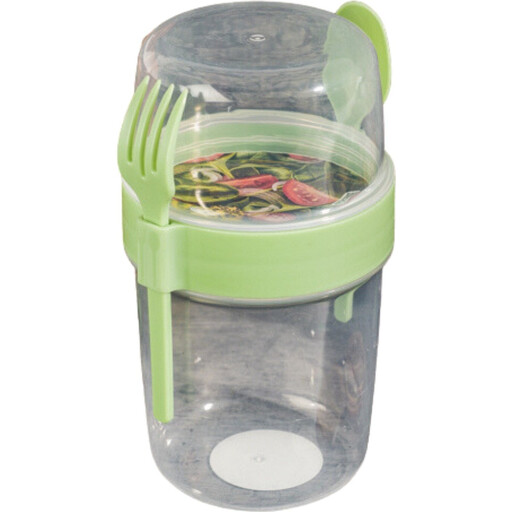
Why It Stands Out: This cup is designed with two separate compartments. This keeps your muesli, croutons, or other toppings crunchy and separate from the yoghurt or dressing until you're ready to eat.
Key Features:
Who Is This For? Ideal for anyone who loves taking a fresh salad with dressing or yoghurt with granola to work or school. A practical yogurt cup to-go and salad box in one.
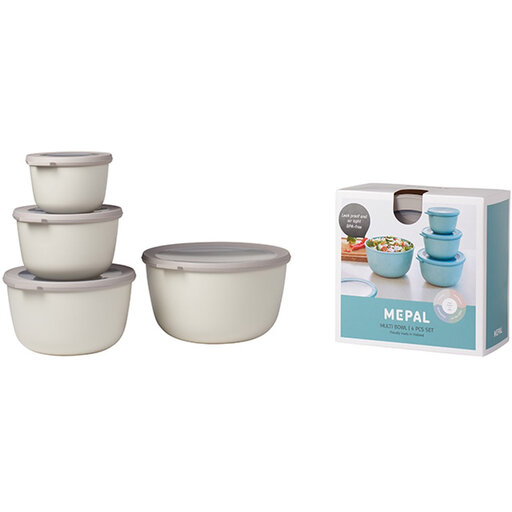
Why It Stands Out: This set from the well-known brand Mepal is a true all-rounder. The four different sizes (500, 1000, 2000, and 3000 ml) make the set suitable for storing, freezing, and reheating all kinds of meals and leftovers.
Key Features:
Who Is This For? Perfect for households and individuals who do meal prep. With this set of Mepal food storage containers, you'll have the right-sized container for every portion, from leftover soup to a full meal.
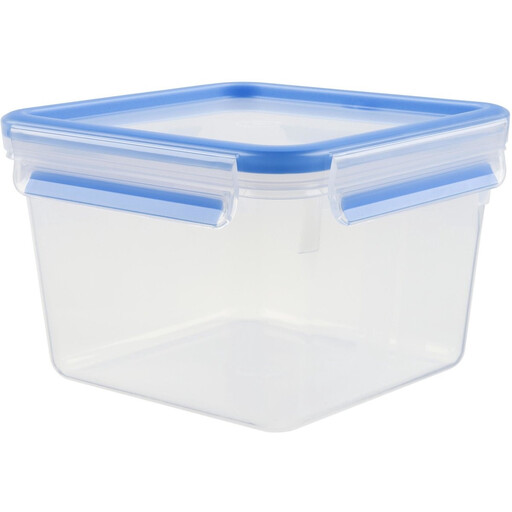
Why It Stands Out: With its Masterseal line, Tefal focuses on freshness and hygiene. The special seal in the lid is seamless, which the manufacturer claims prevents mould growth and ensures a 100% leak-proof closure.
Key Features:
Who Is This For? For anyone who wants absolute peace of mind when transporting liquid meals. This leak-proof food container is a reliable choice for soups, stews, or other saucy dishes.
The options above are focused on practical use and durability. Of course, you might prefer other materials, such as glass or stainless steel. For those looking for alternatives, like plastic-free freezer containers, we have a wider range available. Explore more options here to find the perfect match for your kitchen.
1. Are all plastic food storage containers microwave-safe? No, not all of them. Always check the product information or the symbols on the bottom of the container. Most modern food storage containers are microwave-safe, but the lid should almost always be removed to prevent it from warping or to avoid pressure build-up.
2. What does BPA-free mean and why is it important? BPA stands for Bisphenol A, a chemical used in some types of hard plastic. There is ongoing debate about the potential health effects of exposure to BPA through food. A BPA-free product is made without this specific chemical, which gives many people peace of mind when storing their food.
3. What's the best way to clean my food storage containers to prevent odours? Rinse the container immediately after use. Most containers can be placed on the top rack of the dishwasher. For stubborn odours or stains (for example, from tomato sauce), you can let a paste of water and baking soda sit in the container overnight. Rinse thoroughly, and the container will be fresh again.