
Vandaag of morgen in huis

Kwaliteit gegarandeerd

Welkomstaanbiedingen ontgrendelen: GRATIS bezorging | Tot 80% korting | Gratis 30 dagen JoyPlus-proefperiode
Download de app
A quality set of food storage containers is the cornerstone of an organised kitchen. They help reduce food waste, make meal prepping effortless, and keep your fridge and pantry tidy. But the market is flooded with options, and the wrong choice can quickly lead to frustration: lids that don't fit, containers that leak, or plastic that warps after a single use in the microwave.
As a Joybuy Product Recommendation Officer, I'll help you cut through the marketing jargon. We'll look at the pitfalls that cost you money and the specifications that truly matter, so you can find the right food storage containers for your household.
Before you make a purchase, it's wise to recognise the most common problems. Many containers look fine in the store but prove to be unusable in practice.
food container set might seem like a good deal, but it often includes impractical sizes you'll never use. Or worse: the lids aren't interchangeable, leading to a chaotic drawer full of loose parts.To avoid the pitfalls above, focus on a few key features. These specifications determine the quality and usability of your kitchen storage boxes.
The material is crucial. Most food storage containers are made of plastic, but there's a difference between the types.
The lid determines the success of your food container. A simple snap-on lid is fine for storing dry goods in airtight pantry canisters. However, if you want to transport liquids, like soup for lunch or a meal with sauce, you need a guaranteed leak-proof seal. Look for containers with a silicone gasket in the lid and a locking mechanism with four clamps or a sturdy click.
Think about how you'll use and store the containers.
meal prep containers.Not every food storage container is right for everyone. Below are a few popular choices, matched to different use cases.
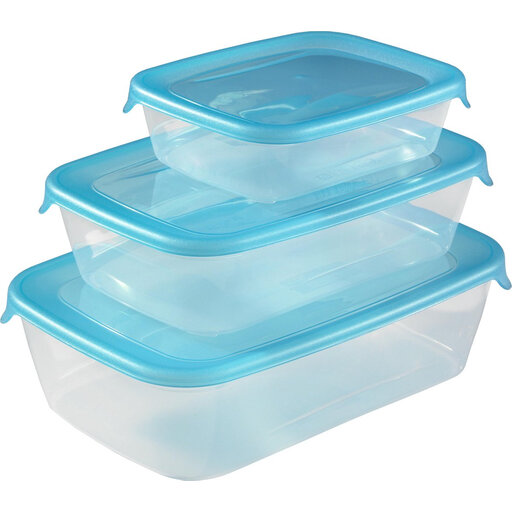
Why This Fits Their Persona: Ideal for those looking for a reliable starter set. This Curver set includes three popular sizes (0.5L, 1L, and 2L) for storing leftovers, lunch, or ingredients. A no-fuss solution for daily use.
According to the manufacturer, the durable, BPA-free plastic can withstand temperatures from -40°C to +100°C. This reduces the risk of warping from the microwave or dishwasher.
The set is both nestable and stackable, which saves a lot of space in your kitchen cabinets. The containers are suitable for the freezer, microwave (without lid), and dishwasher.
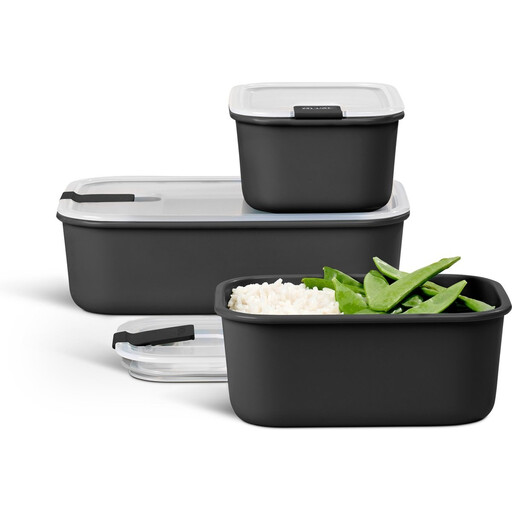
Why This Fits Their Persona: For those who prepare and take meals to work or school. This set is designed for convenience and peace of mind on the move. The sizes are ideal for a lunch or a large portion.
The EasyClip closure directly tackles the pitfall of leakage. According to Mepal, the container is sealed to be leak-proof and airtight with a single click, allowing you to transport soups and sauces safely.
The lid has a unique steam vent. This allows the lid to remain on the container during microwaving (with the vent open), which prevents splatters.
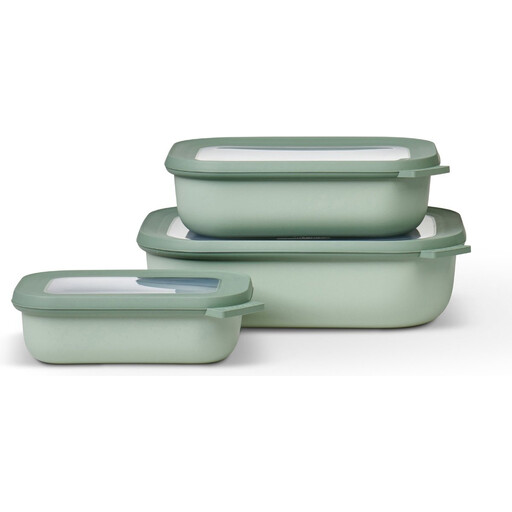
Why This Fits Their Persona: For those who value quality, design, and a perfectly organised fridge. This Mepal Cirqula set is an all-in-one solution: from freezer to microwave and straight to the table.
This set offers three coordinated, practical sizes that are nestable. This prevents the chaos of a drawer full of loose, unusable containers and lids.
The lid is 100% airtight and has a transparent window, so you can see what's inside at a glance. The robust material is durable, and the stylish design looks great on the table.
We have compiled a complete, up-to-date list of products that fully meet these strict selection criteria and UK safety regulations.
The lifespan depends on the material and usage. A quality container made of polypropylene (PP) can last for years with proper care. Always follow the manufacturer's instructions: remove the lid in the microwave (unless stated otherwise) and avoid abrasive sponges that can scratch the surface.
No, this is a common misconception. Always check the symbols on the bottom of the product. A snowflake symbol indicates it's freezer-safe, waves indicate it's microwave-safe, and a symbol with water droplets means it's dishwasher-safe. Higher-quality products often specify a temperature range as well, for example, -40°C to +100°C.
Rinse your containers immediately after use, especially if they held food with strong colourants (like tomato sauce or curry). This prevents the colour from seeping into the plastic. For stubborn odours, it can help to let the container soak overnight in a solution of water and a spoonful of baking soda.
