
Vandaag of morgen in huis

Kwaliteit gegarandeerd

Welkomstaanbiedingen ontgrendelen: GRATIS bezorging | Tot 80% korting | Gratis 30 dagen JoyPlus-proefperiode
Download de app
A good set of food storage containers seems like a simple purchase, until lids warp in the dishwasher, your pasta sauce leaves a permanent orange stain, or your lunch box leaks in your bag. Choosing the right containers not only saves money but also a great deal of frustration. As a Product Recommendation Officer at Joybuy, I see the daily challenges consumers face. Let's skip the marketing speak and focus on what really matters.
Before you invest in a new set, it's wise to recognise the most common problems. Many containers look great in the store but fail in practice.
To avoid these pitfalls, focus on a few key specifications. These determine the quality and lifespan of your food storage containers.
The material is the most important factor. Each type has its own pros and cons.
A great container is nothing without a great lid. The most reliable systems feature a four-sided locking system and a thick, removable silicone sealing ring. This ensures a truly airtight and leak-proof seal, essential for soups, sauces, and taking your meal with you.
Think about how you will use the containers. For meal prep containers, stackability is crucial to keep your fridge organised. Always check the symbols for:
Not everyone needs the same thing. Here are a few options tailored to specific needs.
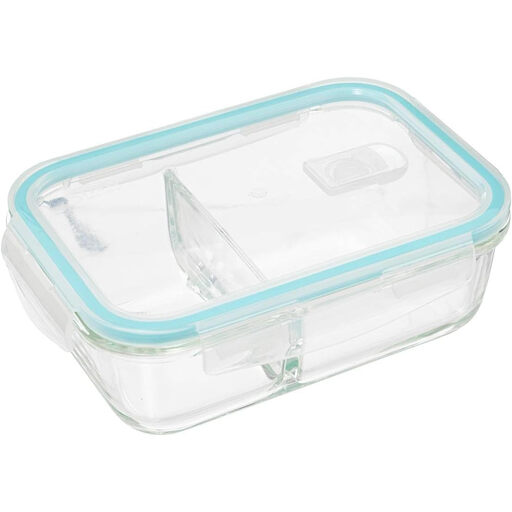
Why This Fits Their Persona: Ideal for those who like to keep their meal components separate. The compartments make it a perfect bento box for a complete lunch with a main and a side, without everything mixing together.
The borosilicate glass absorbs absolutely no colours or odours, ensuring yesterday's curry won't affect today's fruit salad.
The fixed compartments ensure an organised meal. Suitable for the dishwasher and microwave (without the lid).
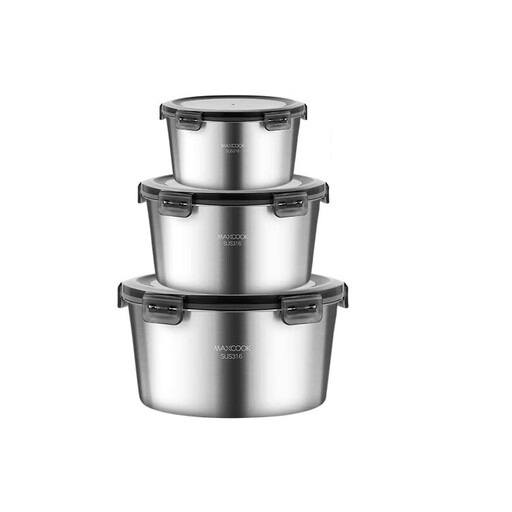
Why This Fits Their Persona: For those who prioritise durability and food safety. This stainless steel container set is a long-term investment. Lightweight, robust, and free of chemicals.
The 316 stainless steel is a superior grade that won't warp, stain, or absorb odours. The lids provide a secure and reliable seal.
Extremely durable and hygienic material. The set of three different sizes is versatile for snacks and meals.
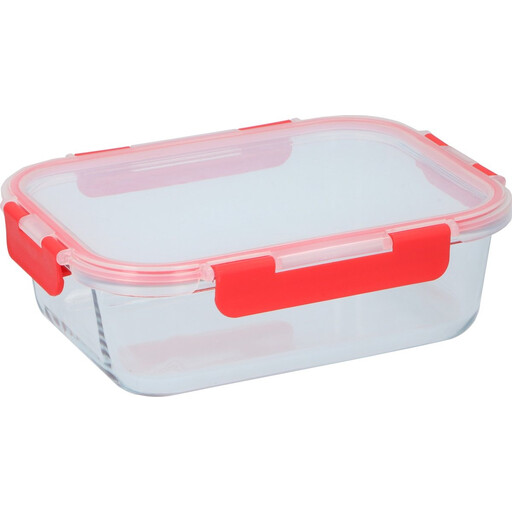
Why This Fits Their Persona: A large, versatile container for storing dinner leftovers, a big salad, or a casserole. Perfect for a busy household where flexibility is key.
The heat-resistant borosilicate glass can go directly from the freezer to the oven (without the lid), making it a practical and durable alternative to plastic containers that warp.
Large 1.5-litre capacity and oven-safe up to 400°C. The lid features a reliable locking system.
Many of these containers are also ideal for taking a noodle soup on the go or storing ingredients like Asian spices for your favourite dishes.
We've compiled a complete, up-to-date list of products that meet these strict selection criteria and safety regulations.
Not necessarily better, but different. Stainless steel is lighter and unbreakable, making it ideal for on-the-go use. Glass is heavier but can often go in the oven and microwave, making it more versatile for reheating meals. The choice depends on your priorities: durability and portability (stainless steel) or versatility in the kitchen (glass).
Look at the locking mechanism. A lid with a four-sided locking system and a visible, sturdy silicone sealing ring offers the most security. If the ring is thin or the lid only clicks on loosely, the chance of leaks is high.
Yes, if it's made from borosilicate glass. This type of glass is designed to withstand significant temperature changes. You can put hot soup or leftovers directly into it to cool down. Avoid doing this with standard glass or plastic, as they can crack or warp. Leave the lid off while cooling to prevent condensation.
