
Vandaag of morgen in huis

Kwaliteit gegarandeerd

Welkomstaanbiedingen ontgrendelen: GRATIS bezorging | Tot 80% korting | Gratis 30 dagen JoyPlus-proefperiode
Download de app
A good set of food storage containers can make a world of difference in the kitchen. It helps combat food waste, simplifies meal prep, and keeps your fridge and pantry organized. But the search for the right containers can be frustrating. Many products overpromise and underdeliver, resulting in leaking lids and warped plastic.
Before you invest in a new set, it's wise to understand the most common pitfalls. This will prevent you from wasting money on food storage boxes that are ready for the trash after just a few months.
To avoid a bad buy, it's smart to focus on a few objective specifications. These determine the durability and usability of your food storage containers.
The material has the biggest impact on functionality and lifespan.
A good seal is crucial. A loose lid might keep dust out, but a truly airtight seal, often featuring a silicone gasket and sturdy clips, does much more. It keeps air and moisture out, which helps food stay fresh longer and prevents flavors from mixing in the fridge. For airtight pantry canisters used to store dry goods like flour, sugar, or coffee, this is an indispensable feature.
Always check the symbols on the bottom of the container. A product that is microwave and freezer safe offers the most flexibility. This is essential for meal prep containers: you can heat meals in the microwave directly from the freezer. Pay attention to the specified temperature range (e.g., -40°C to +100°C). This indicates how well the material can withstand extreme temperatures without cracking or warping.
Based on these criteria, we have selected a few products that suit different users.
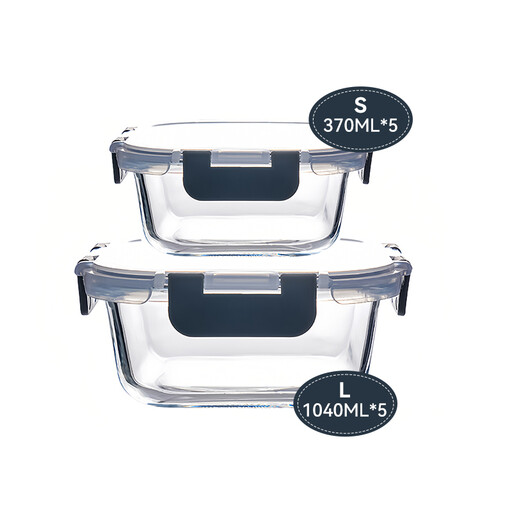
Why This Fits Their Persona: Ideal for those who prep meals for the entire week. This glass set is perfect for storing and reheating various dishes. The different sizes (5x 1040ml and 5x 370ml) make portioning easy.
The high borosilicate glass is resistant to thermal shock and will not warp or stain in the microwave. The snap-lock lids with a silicone ring ensure a reliable, leak-proof seal.
Hygienic and flavor-neutral thanks to the glass. The complete food container set provides a solution for both large meals and small portions.
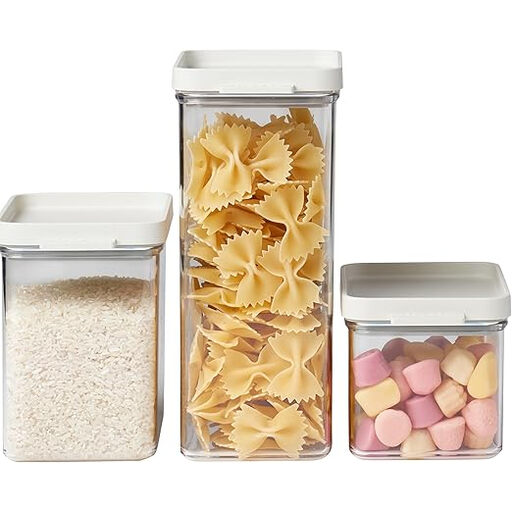
Why This Fits Their Persona: Perfect for anyone wanting a tidy and stylish pantry. This set is specially designed for storing dry ingredients like pasta, flour, and cereal.
The design is focused on efficient stacking, which prevents chaos in kitchen cabinets. The lids seal the boxes airtight, keeping the contents fresh and pests out.
Stylish Dutch design that looks great on the countertop. The transparent lid lets you see the contents at a glance. The set includes three practical sizes (700 ml, 1100 ml, 2000 ml).
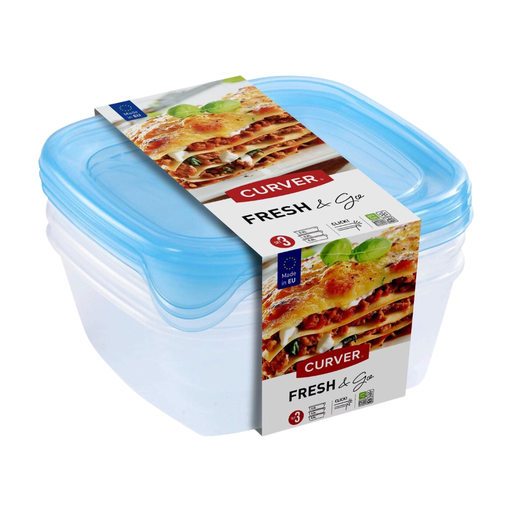
Why This Fits Their Persona: An affordable and functional solution for daily lunches. These BPA-free plastic containers are lightweight and robust enough for a bag on the way to work or school.
The lids have a secure fit to minimize leaks. The material is designed for a temperature range of -40°C to +100°C, making it suitable for the freezer, microwave, and dishwasher without warping easily.
Practical and great value. The containers are nestable (fit inside each other), which saves a lot of storage space. The convenient tabs on the lid make opening easy.
Didn't find what you were looking for? We've compiled a complete, up-to-date list of products that meet these strict selection criteria and safety regulations.
That depends on the use case. Glass is more hygienic, doesn't absorb flavors or odors, and is often safer for reheating in the microwave or oven. Plastic, on the other hand, is lighter, less fragile, and often cheaper, making it a practical choice for a lunch box on the go. For home use and reheating, glass is often preferred; for portability, plastic is more convenient.
A persistent problem. A great tip is to rinse the container with cold water immediately after use, even before washing it with hot water and soap. Cold water helps to close the pores of the plastic, making it harder for color pigments to penetrate deeply. For existing stains, a paste of water and baking soda can sometimes help.
BPA stands for Bisphenol A, a chemical used in some types of hard plastic. There are concerns about its potential health effects when it leaches into food. A BPA-free label guarantees that this specific chemical was not used in the production of the plastic. It is an important indicator for food-safe food storage containers, especially if you plan to use them for heating food.
