
Vandaag of morgen in huis

Kwaliteit gegarandeerd

Welkomstaanbiedingen ontgrendelen: GRATIS bezorging | Tot 80% korting | Gratis 30 dagen JoyPlus-proefperiode
Download de app
A good food storage container set is the foundation of an organised kitchen. It helps reduce food waste, simplifies meal prep, and keeps your fridge and pantry tidy. Yet, the search for the right set can often be frustrating. Many containers promise more than they deliver, resulting in leaking lids, stubborn stains, and warped plastic.
Before you invest in a new set, it's helpful to know the most common pitfalls. This will prevent you from wasting money on products that are ready for the bin after just a few months.
To avoid a bad purchase, you can focus on a few specific features. These determine how practical and durable a food storage container set is in practice.
The choice of material has the biggest impact on usability and lifespan.
A good set of storage containers with lids stands or falls by its seal. Look for lids with a silicone ring and sturdy locking clips on all four sides. This combination offers the best guarantee of an airtight and leak-proof seal. This is crucial for meal prep containers that you take on the go or for storing soups and sauces in the freezer without freezer burn.
A tidy kitchen starts with efficient storage. Stackable food storage containers save precious space in your cupboards and fridge. Also, check if the containers are nestable (fit inside each other without lids). Furthermore, always verify the symbols for use in the dishwasher, microwave, and freezer. For microwave use, pay attention to the instructions: the lid usually needs to be removed or opened to prevent pressure build-up.
Based on these criteria, we have selected a number of products that suit different user profiles.
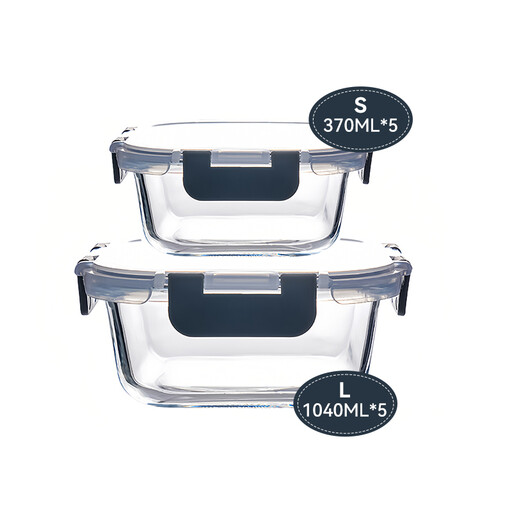
Why This Fits Their Persona: This 10-piece glass set is ideal for those who prep meals weekly. The two sizes (370ml and 1040ml) are perfect for lunches and portions. The borosilicate glass is hygienic and versatile.
The glass does not absorb colours or odours, thus avoiding the material misstep. The sturdy snap-lock lids ensure a reliable, leak-proof seal, countering the flimsy lid pitfall.
Made from high borosilicate glass, suitable for the freezer, microwave (without lid), and dishwasher. The set offers a uniform and stackable solution.
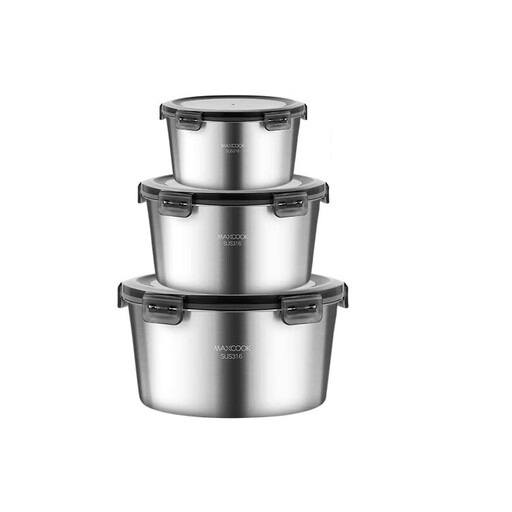
Why This Fits Their Persona: For those who want to avoid plastic and are looking for an indestructible solution. This stainless steel set is lightweight, hygienic, and will last a lifetime. Ideal for lunches, snacks, and storing leftovers in the fridge or freezer.
Stainless steel is the ultimate solution for the material misstep: it's unbreakable, doesn't stain, and absorbs absolutely no odours. The sturdy lids ensure a reliable seal.
Made from high-quality 316 stainless steel, which is superior in corrosion resistance. The set includes three different sizes (600ml, 1100ml, 2200ml) and is freezer- and dishwasher-safe.
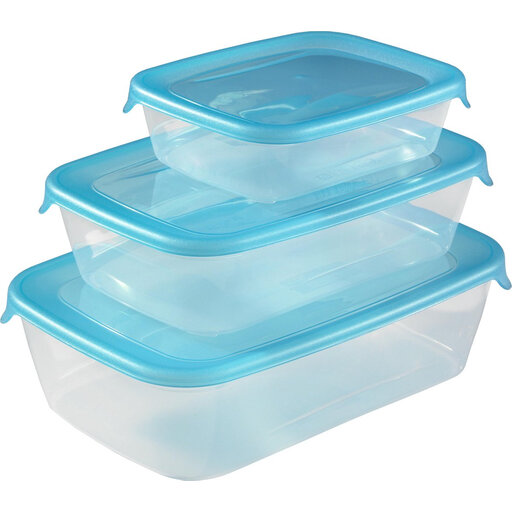
Why This Fits Their Persona: An affordable and functional set for the busy household. With three different sizes (0.5L, 1L, 2L), there's always a suitable container for leftovers, lunches, or storing ingredients.
Curver is a well-known brand that stands for solid plastic. The lids are designed for daily use and seal well, making the chance of a flimsy lid small. It's a reliable basic set.
The set is BPA-free, nestable, and stackable for compact storage. The containers are suitable for the freezer (down to -40°C), microwave (up to +100°C), and dishwasher.
We have compiled a complete, up-to-date list of products that meet these strict selection criteria and European safety regulations.
It depends on your use case. Glass is more hygienic because it doesn't absorb odours or colours and is often oven-safe. It's a durable choice for home use. Plastic is lighter, usually cheaper, and less fragile, which makes it more practical for on-the-go. For a combination of durability and light weight, stainless steel is an excellent alternative, although it cannot be used in the microwave.
A stubborn problem. The best method is to rinse the container with cold water immediately after use. Cold water helps to set the stain and prevents it from soaking into the plastic. Only then wash it with hot water and soap. Some people use a thin layer of cooking spray on the inside before adding sauce, which can act as a barrier.
BPA stands for Bisphenol A, a chemical used in some types of hard plastic (polycarbonate) and the coatings of food cans. There are concerns that BPA can leach into food and potentially have health effects. A product with a BPA-free label is made without this specific chemical, which is now the standard for food-safe plastic products like airtight food canisters and drink bottles.
