
Vandaag of morgen in huis

Kwaliteit gegarandeerd

Welkomstaanbiedingen ontgrendelen: GRATIS bezorging | Tot 80% korting | Gratis 30 dagen JoyPlus-proefperiode
Download de app
A good food storage container set can make a world of difference in an organized kitchen. It helps reduce food waste, simplifies meal prepping, and keeps your fridge and cabinets tidy. Yet, the search is often frustrating. Many people are familiar with the drawer full of containers without matching lids, or containers that are already warped or stained after just one use.
Before you invest in a new set, it's helpful to know the most common pitfalls. This will prevent you from spending money on products that become unusable after just a few months.
To avoid a bad purchase, it's wise to focus on a few concrete product features rather than marketing promises. These specifications determine the durability and user-friendliness of your food storage containers.
The material is perhaps the most important factor. Most storage boxes with lids are made of plastic. Pay attention to the following points:
A lid must not only fit but also seal properly. A simple snap-on lid may suffice for dry goods in the pantry, but for carrying liquids or keeping meals fresh, a better seal is required. Lids with four-sided locking clips often provide a more reliable, airtight, and leak-proof seal. Also, look for a silicone ring in the lid, which reinforces the seal.
A good kitchen organizer starts with efficient use of space. Stackable storage boxes are essential for a tidy fridge or cabinet. Also, check if the containers are "nestable": this means they fit inside each other when empty, which saves a significant amount of storage space. Finally, ease of cleaning is crucial. Choose containers that are dishwasher-safe to save time and effort.
Not everyone has the same needs. Below are some popular choices, matched to a specific user profile.
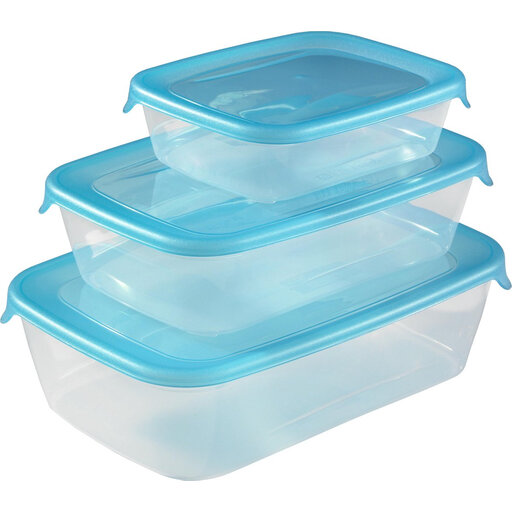
Why This Fits Their Persona: The different sizes (0.5L, 1L, and 2L) in this set are ideal for preparing and portioning complete meals, from a serving of soup to a main course with side dishes.
The sturdy plastic is designed to retain its shape, even after use in the dishwasher. The lids continue to seal properly and do not warp, making the set durable for long-term use.
Suitable for the freezer, microwave, and dishwasher. The set is both stackable and nestable, ensuring highly efficient storage.
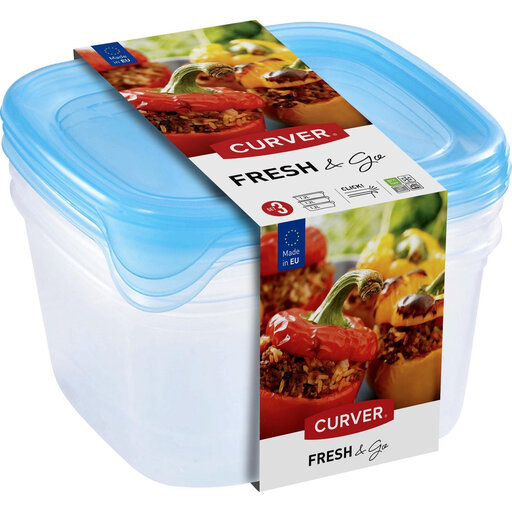
Why This Fits Their Persona: The generous 1.2-liter capacity per container is perfect for storing dinner leftovers, a large salad for lunch, or freezing a meal for later.
Made from high-quality, BPA-free plastic that does not absorb flavors or odors. This prevents yesterday's pasta sauce from affecting the taste of tomorrow's fruit salad.
Large capacity for family-sized portions and an airtight lid with convenient tabs for easy opening, even with cold hands.
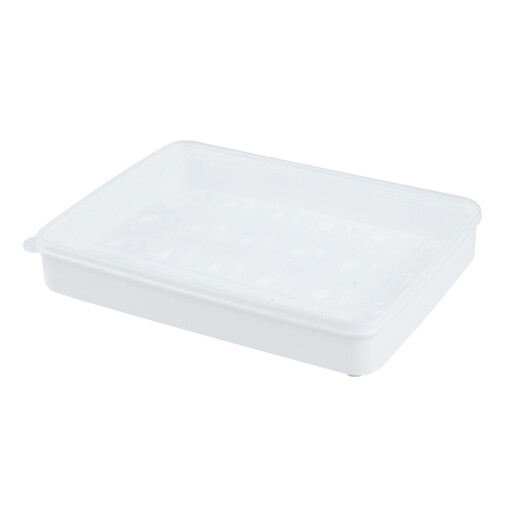
Why This Fits Their Persona: This is a specific solution that puts an end to clumsy cardboard egg cartons that get damp or flimsy in the fridge. It instantly creates clarity and protects the eggs.
Instead of using a generic container, this specially designed refrigerator egg holder is made of sturdy, transparent plastic that is far more durable than standard cardboard.
Holds 24 eggs and is stackable. Thanks to the transparent design, you can see how many eggs you have left at a glance.
We have compiled a complete, up-to-date list of products that fully meet these strict selection criteria and safety regulations.
No, not all of them. Always check the product information or the symbols on the bottom of the container. Products made from polypropylene (PP, code 5) are generally suitable. It is important to remove the lid or leave it ajar before placing the container in the microwave to allow steam to escape. Never use containers that are visibly damaged, scratched, or warped for reheating.
Foods with strong natural pigments, such as tomatoes, turmeric, or carrots, can leave stains on plastic. To minimize this, you can rinse the container with cold water immediately after use. Only then wash it with warm water and soap. Cold water helps to close the pores of the plastic, giving the pigments less chance to soak into the material.
BPA (Bisphenol A) is a chemical that was once widely used in the production of polycarbonate plastic. There are concerns about its potential health effects if BPA leaches from the plastic into food. Choosing BPA-freefood storage containers provides assurance that your food will not come into contact with this specific chemical. Within the EU, this is a key standard for products that come into contact with food.
