
Vandaag of morgen in huis

Kwaliteit gegarandeerd

Welkomstaanbiedingen ontgrendelen: GRATIS bezorging | Tot 80% korting | Gratis 30 dagen JoyPlus-proefperiode
Download de app
A quality set of food storage containers is an essential in any modern kitchen. Whether you're meal prepping for the week, storing last night's leftovers, or simply trying to keep your fridge and pantry organised, the right containers make life significantly easier. However, the market is flooded with options, and not every set is worth the investment. Many sets end up in the bin after just a few months.
Before making a purchase, it's wise to know what to look for. Here, we'll discuss a few common pitfalls and the specifications that truly matter, so you can choose a set that you'll enjoy for years to come.
It's easy to fall for clever marketing, but certain product flaws can lead to daily frustration. These are the most common problems:
To avoid the problems mentioned above, you can focus on a few key features. These specifications determine the durability and user-friendliness of your food storage container set.
The material is the foundation of a good container. Most food containers with lids are made of plastic. Pay attention to the following points:
A smart design saves space and frustration. Look for the following features for an efficient kitchen organizer:
Not everyone has the same needs. That's why we've highlighted a few options that suit different user profiles.
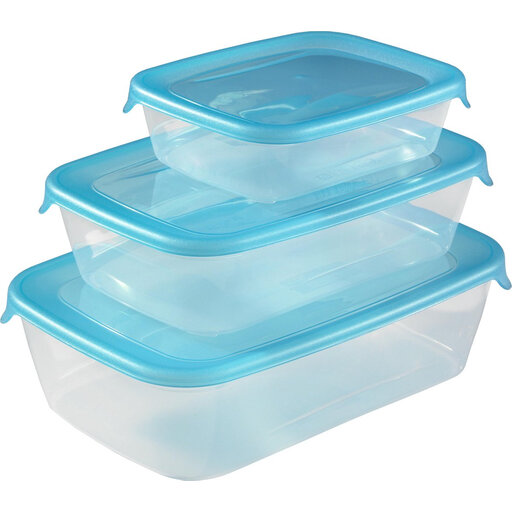
Why This Fits Their Persona: This set offers three different sizes, ideal for portioning complete meals, from a salad to a serving of rice with vegetables. The rectangular shape is space-efficient for bags and refrigerators.
The material is designed for temperatures from -40°C to +100°C, ensuring the lids and containers retain their shape in the dishwasher, freezer, and microwave (without the lid).
BPA-free and compliant with European food safety standards. The set is both stackable and nestable, which saves a significant amount of storage space.
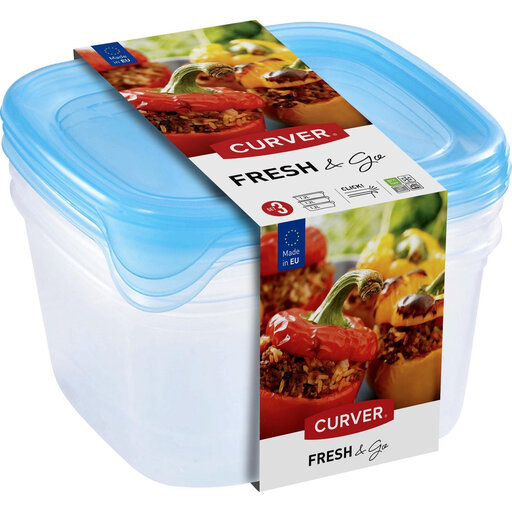
Why This Fits Their Persona: With a capacity of 1.2 litres per container, this set is ideal for storing larger portions, such as dinner leftovers, soup, or salads for the whole family. Perfect for an organised refrigerator.
The sturdy, high-quality plastic is less susceptible to stains from foods like tomato sauce. The lids feature convenient tabs for easy opening, even when cold from the freezer.
The containers are fully dishwasher, freezer, and microwave safe. The snap-on lids seal the containers airtight to keep food fresh for longer.
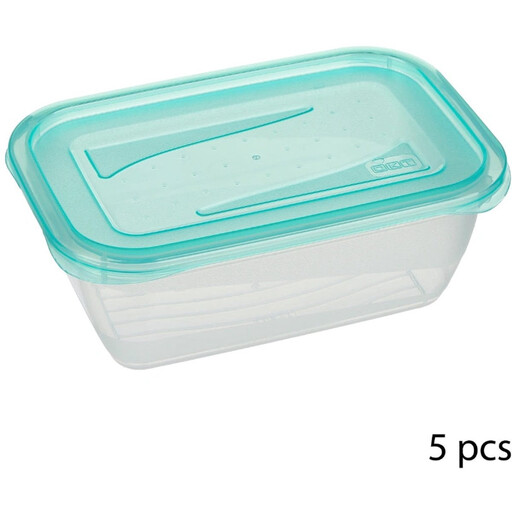
Why This Fits Their Persona: A compact and affordable set of five containers, perfect for students or those just starting out. The 0.5L size is ideal for single portions, snacks, or small leftovers, without taking up much space in a small kitchen or fridge.
Despite its attractive price point, this set is made from PE plastic that is microwave and freezer resistant. This prevents the containers from becoming brittle and cracking at low temperatures.
The set is dishwasher-safe for easy maintenance. Its compact size and transparent design make it a practical choice for everyday use.
We have compiled a complete, up-to-date list of products that fully meet these strict selection criteria and safety regulations.
1. How do I prevent plastic food containers from staining from tomato sauce or curry? A quick tip is to rub the inside of the container with a little cooking oil (like sunflower oil) before adding foods with strong pigments. This creates a protective layer. If a stain does occur, it can help to fill the container with a mixture of water and a bit of baking soda and let it sit overnight.
2. Are all BPA-free plastic containers safe for the microwave? Not necessarily. "BPA-free" only guarantees that the specific chemical Bisphenol A was not used. Whether a container is microwave-safe depends on the type of plastic and its construction. Always check for a microwave-safe symbol (often an icon with wavy lines) on the bottom of the container. Always remove the lid before heating to prevent pressure build-up.
3. What is the difference between stackable and nestable?Stackable means you can place the containers (with lids on) stably on top of each other, which saves space in the fridge or cupboard. Nestable means the empty containers of different sizes (or the same size without lids) can fit inside one another, which saves storage space in your kitchen cabinet. Ideally, a good set has both features.
