
Vandaag of morgen in huis

Kwaliteit gegarandeerd

Welkomstaanbiedingen ontgrendelen: GRATIS bezorging | Tot 80% korting | Gratis 30 dagen JoyPlus-proefperiode
Download de app
A good food storage container set is the cornerstone of an organised kitchen. Whether you're a busy professional who meal preps, a student saving leftovers, or a family looking to reduce food waste, the right containers make life easier. But the market is flooded with options that don't always deliver on their promises. A leaky bag or a container that warps after one trip to the microwave is an unnecessary frustration.
As a Joybuy Product Recommendation Officer, I filter out the noise and focus on what truly matters. This guide will help you avoid the common pitfalls and choose a set that fits your needs.
Before you make a purchase, it's important to know what often goes wrong. Many sets look great in the store but fail in practice.
To avoid the problems above, there are a few objective specifications you should always check. These aren't opinions, but facts that determine the durability and usability of your storage containers with lids.
The term "plastic" says very little. The key is the type of material and its safety certification.
A lid is not automatically a good seal. Pay attention to the mechanism.
A versatile set should be suitable for the entire cycle: freezing, reheating, and cleaning. Always check the product specifications for:
Not everyone has the same needs. Below are a few options, tailored to specific user profiles.
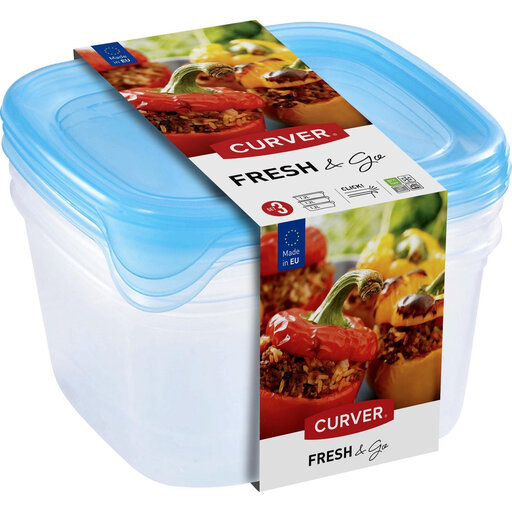
Why This Fits Their Persona: Ideal for students or those just starting out who need a reliable, no-nonsense set. The Curver Fresh & Go series provides a solid foundation for storing meals and leftovers without a major investment.
The snap-on lids close tightly and are more reliable than many generic alternatives, minimising the risk of leaks during normal use. The material is designed for a temperature range of -40°C to +100°C, which prevents warping in the dishwasher or microwave.
Made from BPA-free plastic and complies with European food safety standards. The containers are nestable and stackable, saving significant space in a small kitchen.
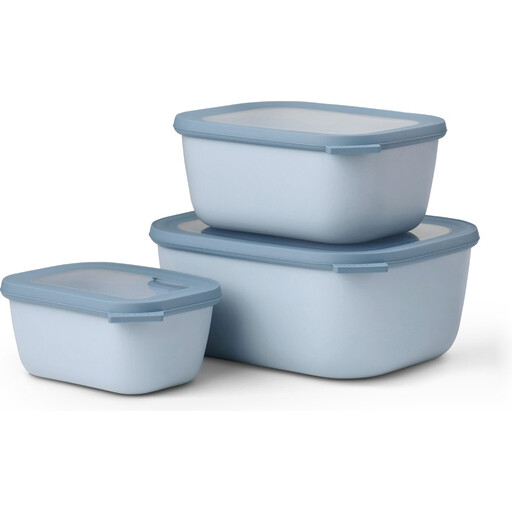
Why This Fits Their Persona: For those who invest in durability and design. The Mepal Cirqula is an all-rounder: store, freeze, heat, and serve. Perfect for busy families and professionals who value quality and aesthetics.
According to the manufacturer Mepal, the Cirqula is 100% leak-proof thanks to its specially designed seal. The robust polypropylene material is highly resistant to discolouration and odours and is unbreakable, ensuring a long lifespan.
The lid has a transparent window, so you can see what's inside at a glance. The set is designed to be both stackable and nestable, which optimises storage space.
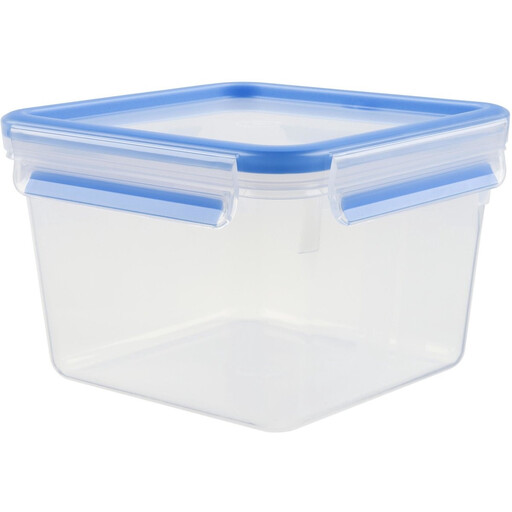
Why This Fits Their Persona: For anyone who wants to transport their lunch or soup in a bag, worry-free. The focus here is on maximum security against leaks, which is crucial for daily transport.
Tefal claims its Masterseal series is 100% leak-proof due to the combination of a four-point locking system and a seamlessly injected seal. This design prevents gaps where bacteria or mould can grow and guarantees an airtight closure.
The hygienic seal with no gaps is a major plus for keeping food fresh longer. The product is BPA-free and, according to the manufacturer, has a Baby Care certification, underscoring its food safety.
We have compiled a complete, up-to-date list of products that fully meet these strict selection criteria and Dutch safety regulations.
No, not all of them. Always check if the product has a microwave-safe symbol. Only use microwave-safe containers that are explicitly approved for this purpose. Always remove the lid before heating to prevent steam from building up pressure, which can damage or even crack the container.
High-quality polypropylene is less prone to staining, but no plastic container is 100% stain-proof. A practical tip is to rinse the container with cold water immediately after use before washing it with hot water and soap. For stubborn stains, you can try filling the container with a mixture of water and a little baking soda and letting it sit overnight.
BPA-free means the product is made without the chemical Bisphenol A. This substance can leach from the plastic into food. Although opinions on the exact health risks are divided, many consumers and manufacturers choose BPA-free materials as a precaution, especially for products that come into contact with food. It is an important indicator of a modern and consciously designed food storage container.
