
Vandaag of morgen in huis

Kwaliteit gegarandeerd

Welkomstaanbiedingen ontgrendelen: GRATIS bezorging | Tot 80% korting | Gratis 30 dagen JoyPlus-proefperiode
Download de app
An organised kitchen and less food waste: that's the goal. Good food storage containers are essential for this. But the market is flooded with options that promise more than they deliver. Before you invest in a new set, it's wise to know what to look for. Many containers end up at the back of the cupboard after just a few months because they leak, stain, or are simply impractical.
As a Joybuy Product Recommendation Officer, I'll help you cut through the marketing jargon. Below, we discuss the most common pitfalls and the specifications that truly matter.
The wrong choice leads to frustration and waste. Recognise these common problems to avoid a bad purchase.
lunchbox in your bag and food that still spoils quickly.To avoid the problems above, focus on a few verifiable features. These determine the quality and lifespan of your food storage containers.
The choice between glass and plastic depends on your use case.
A truly airtight and leak-proof seal is crucial. Look at the locking mechanism. The most reliable systems have:
These features are essential for airtight pantry canisters and for transporting soups or sauces worry-free.
For maximum convenience, the containers should fit your routine. Always check the symbols or product description for:
meal prep containers and storing leftovers.food storage container set is often designed to allow for this.Based on these objective criteria, we have selected a number of products that suit different users.
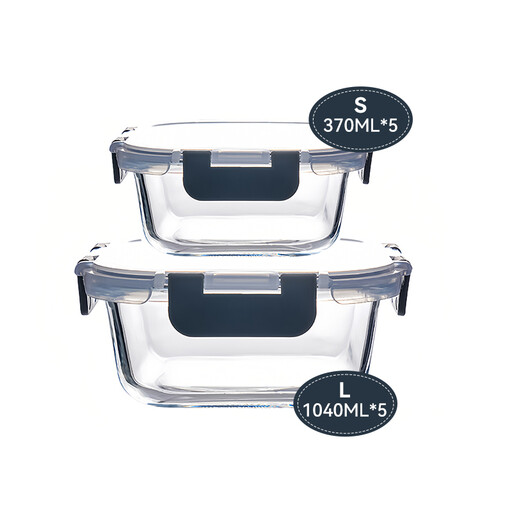
Why This Fits Their Persona: This 10-piece glass set is ideal for preparing meals for the entire week. The uniform sizes (5 large, 5 small) are perfect for portion control and stack neatly in the fridge or freezer.
Made from high borosilicate glass, so you won't have issues with stains or odours. The sturdy snap-lock lids ensure a reliable, leak-proof seal.
A complete glass food storage container set, suitable for the freezer, microwave (without lid), and dishwasher.
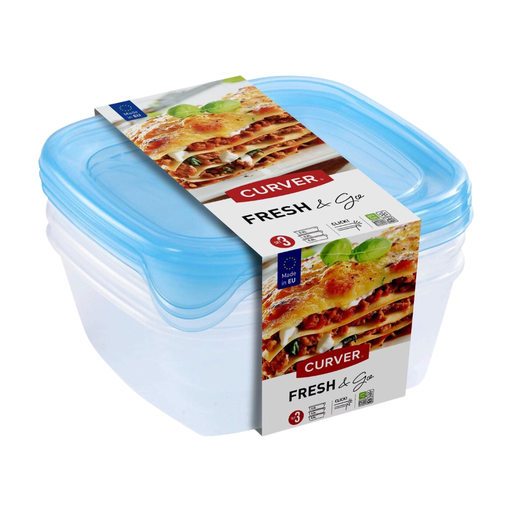
Why This Fits Their Persona: An affordable and lightweight set, perfect for storing leftovers or taking a lunchbox to university. Easy to carry in a backpack without adding much extra weight.
These food containers are nestable, which saves precious space in a small student room. The BPA-free plastic is durable and can take a beating.
Suitable for temperatures from -40°C to +100°C, making them versatile for freezing and reheating in the microwave.
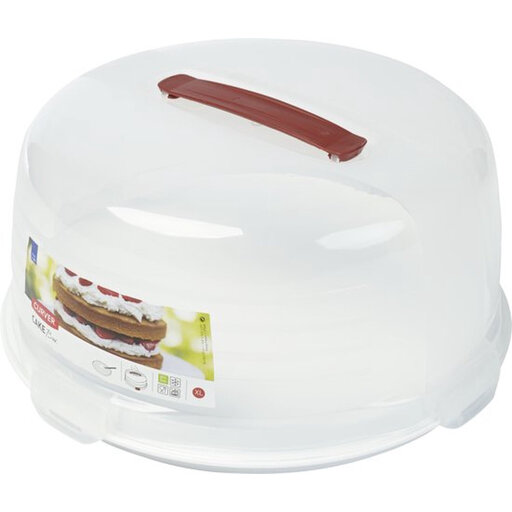
Why This Fits Their Persona: Specifically designed for storing and transporting tall cakes and pastries. The handle and secure locking clips make it easy to bring your baked goods to a birthday party.
Prevents the hassle of using aluminium foil or unsuitable containers. This dome is tall and wide enough for most cakes and seals properly, keeping the cake fresh.
The removable tray has integrated cutting guides for 12 or 24 equal slices, which makes serving easier.
We have compiled a complete, up-to-date list of products that meet these strict selection criteria and safety regulations.
The best method is prevention. Rinse the container with cold water immediately after use, before washing it with hot water and soap. Cold water helps to set oil-based stains (like from tomato sauce), making them easier to remove. For stubborn stains, you can place the container in the sun for a few hours; UV light helps to bleach the stains.
It depends on your priorities. Glass is more hygienic because it doesn't absorb odours, flavours, or colours. It is also more durable and can often be used in the oven. Plastic, on the other hand, is lighter, generally cheaper, and less breakable, making it a practical choice for on the go. For both, a good, leak-proof lid is the most important thing. When choosing plastic, always opt for a BPA-free version.
The lifespan heavily depends on the material and maintenance. A high-quality glass food container can essentially last a lifetime. For plastic containers, the locking clips and the silicone gasket in the lid are the most vulnerable parts. With daily use and regular washing in the dishwasher, these can wear out after a few years. Check them regularly for cracks or loss of flexibility.
