
Vandaag of morgen in huis

Kwaliteit gegarandeerd

Welkomstaanbiedingen ontgrendelen: GRATIS bezorging | Tot 80% korting | Gratis 30 dagen JoyPlus-proefperiode
Download de app
A good set of food storage containers is the foundation of an organised kitchen. Whether you're meal prepping for the week, storing leftovers, or tidying up your pantry, the right containers make life easier. But the market is flooded with options, and making the wrong choice leads to frustration: leaking bags, food that spoils quickly, and cupboards full of unusable containers.
As a Joybuy Product Recommendation Officer, I see where things go wrong every day. Before you invest in a new set, watch out for these common pitfalls.
By paying attention to a few key specifications, you can easily avoid these problems and make a purchase you'll enjoy for years to come.
A good food storage container is more than just a box with a lid. The functionality is in the details. Pay attention to the following three points to be confident in your choice.
The choice between glass and plastic depends on your lifestyle.
A reliable seal is essential. The most effective systems combine two elements:
This combination ensures that the airtight storage containers truly keep your food fresh and prevent leaks. This is crucial for soups, sauces, and dressings.
For maximum convenience, your containers should be suitable for the entire cycle: from storing to reheating and cleaning.
To help you with your choice, we have highlighted a few products that suit different needs and budgets.
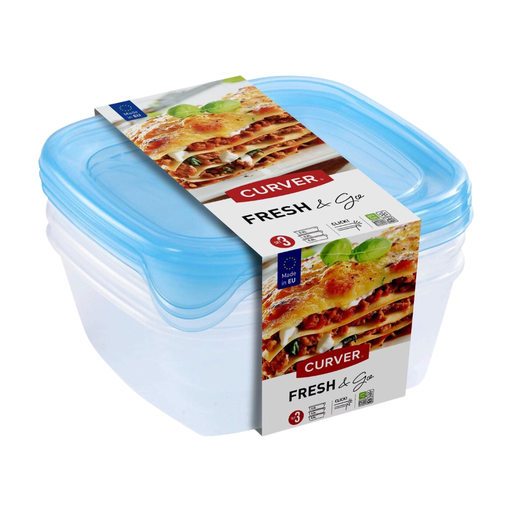
Why This Fits Their Persona: Ideal for those just starting to organise their kitchen or pack lunches. This set is affordable, lightweight, and from a reliable brand, making it a safe and practical first step.
Curver specifies a temperature range (-40°C to +100°C), which reduces the risk of warping in the dishwasher or microwave (pitfall 2). The lids are designed for repeated use.
Made from BPA-free plastic. The set is stackable and suitable for the freezer, microwave, and dishwasher, making it a versatile all-rounder.
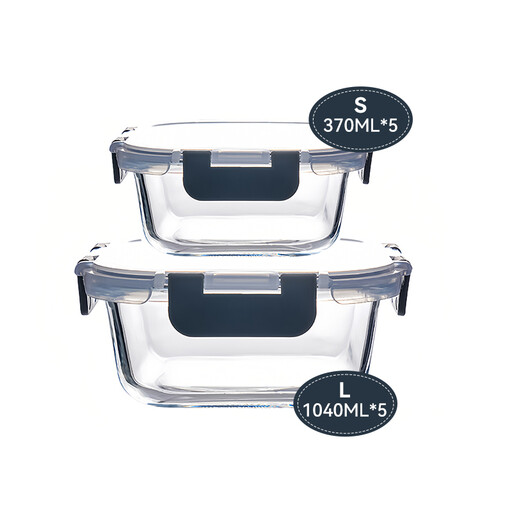
Why This Fits Their Persona: For those who meal prep weekly and value durability and hygiene. This comprehensive food storage container set made of glass is perfect for storing and reheating various dishes.
Made from high borosilicate glass, which minimises the risk of shattering from temperature changes (pitfall 3). The sturdy snap-lock lids with seals tackle the "airtight lie" (pitfall 1).
It doesn't absorb odours or stains and is scratch-resistant. The 10-piece set with two sizes (1040ml and 370ml) is ideal for full meals and snacks.
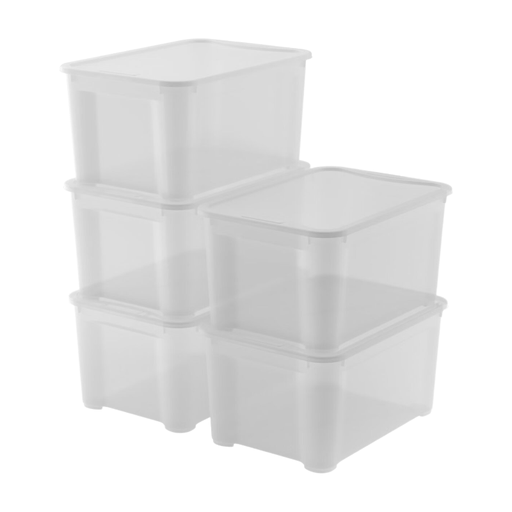
Why This Fits Their Persona: For households that need serious storage space. Think organising the pantry, garage, or attic. These large storage boxes with lids are designed for volume and visibility.
The pitfall with large boxes is instability. These T-Boxes are designed to stack securely and have a specified maximum load of 15 kg per box, preventing sagging and toppling.
Completely transparent, so you can see the contents at a glance. The large 47-litre capacity per box and the modular, stackable design maximise your vertical storage space.
We have compiled a complete, up-to-date list of products that fully meet these strict selection criteria and Dutch safety regulations.
Are glass food storage containers better than plastic? Not necessarily 'better', but they serve different purposes. Glass, especially borosilicate glass, is very hygienic, doesn't absorb odours or colours, and is scratch-resistant, making it ideal for storing and reheating meals at home. Plastic is lighter, generally cheaper, and less fragile, which makes it a practical choice for on-the-go. The best choice depends on your specific use case.
How do I know if a food storage container is truly airtight? Look at the lid's construction. A lid with a distinct, flexible silicone sealing ring combined with four-sided locking clips offers the most reliable seal. This system distributes pressure evenly and ensures no air can get in or out, keeping your food fresher for longer and preventing leaks.
Can the lid of a food storage container go in the microwave? This is usually not recommended. Even with microwave-safe containers, the advice is to remove the lid or place it loosely on the container. This prevents steam from building up pressure, which could warp the lid or, in the worst case, cause hot food to splatter. To be safe, always check the manufacturer's instructions.
