
Vandaag of morgen in huis

Kwaliteit gegarandeerd

Welkomstaanbiedingen ontgrendelen: GRATIS bezorging | Tot 80% korting | Gratis 30 dagen JoyPlus-proefperiode
Download de app
A cabinet full of food containers, but not a single one that works well. Soup leaking into your bag, a lunch box that smells like last week's meal, or a lid that no longer fits after just two uses. Choosing the right food storage containers seems simple, but in practice, it's often more challenging. Many marketing promises lead to purchase mistakes. As a Joybuy Product Recommendation Officer, I'm here to filter the information for you. Below are the three most common pitfalls, ensuring your next purchase is a success.
A "100% leak-proof" sticker is tempting, but the weak link is often the sealing gasket in the lid. After a few cycles in the dishwasher, the flexibility of the silicone seal can diminish, causing your lunch box to leak after all. This is a well-known issue, especially with cheaper models. You only notice it when it's too late and dressing is seeping through your bag.
Almost all plastic containers are labelled "microwave-safe" these days. However, this often only means the container won't melt immediately. It says nothing about warping at higher temperatures or the potential for chemicals to leach into your food. A common mistake is heating the container with the lid on, which is often not designed for it and can deform, preventing it from sealing properly ever again.
Many sets are sold as stackable, but in practice, this often results in an awkward tower of loose containers and a separate pile of lids cluttering up your space. Truly efficient systems are those where the containers fit inside each other (nestable) and the lids have a logical storage solution. Otherwise, your new food storage boxes will only create more chaos in your kitchen cabinet.
To avoid a bad purchase, it's wise to pay attention to a few technical specifications. These are the features that truly make a difference in daily use.
A BPA-free label is a good start, but it doesn't tell the whole story. Pay attention to the type of plastic, often indicated by a symbol on the bottom.
The type of lid determines how well your food is preserved and whether you can transport it without leaks.
A food container set might seem like a good deal, but ask yourself if you will genuinely use all the sizes.
Based on these criteria, we have selected a number of products that suit different users.
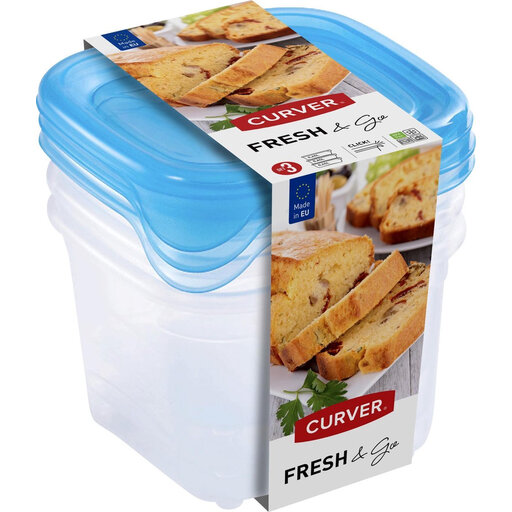
Why This Fits Their Persona: Ideal for those seeking a reliable, no-nonsense set for storing leftovers and small portions. Curver is a well-known brand that represents solid, basic quality without unnecessary frills.
The material is designed for a temperature range of -40°C to +100°C, so it won't easily warp during normal microwave use (without the lid). The containers are both stackable and nestable, which prevents 'stacking chaos' in the cabinet.
Made of BPA-free plastic and complies with European food safety standards. The lids have convenient tabs for easy opening.
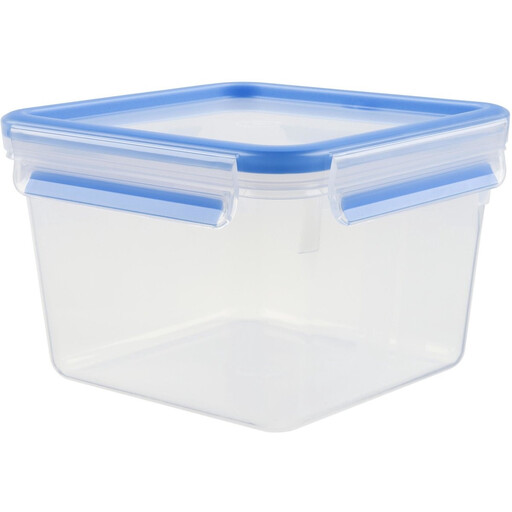
Why This Fits Their Persona: Perfect for those who prepare and transport their meals. The focus is on a reliable, leak-proof seal for soups and sauces, and a size large enough for a full meal.
This model tackles the 'leak-proof' pitfall head-on. According to Tefal, the special, seamlessly moulded seal in the lid ensures a 100% hygienic and leak-proof closure, as there are no gaps where dirt or bacteria can accumulate.
The four-sided clip-lock ensures a very secure seal. The product is suitable for the dishwasher, microwave, and freezer, and has a Baby Care certificate.
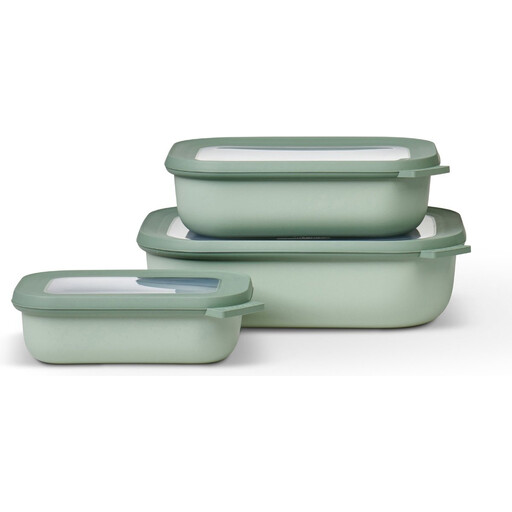
Why This Fits Their Persona: For those who want to combine functionality with design. This Mepal set is versatile (freezer, microwave, dishwasher) and stylish enough to go directly from the fridge to the table.
The Cirqula series is designed to reduce 'stacking chaos'. The bowls are nestable (fit inside each other) and the flat lids take up minimal space. The lid is also transparent, so you can see what's inside at a glance.
The set is leak-proof, air- and aroma-tight. According to Mepal, the robust material is unbreakable, and its modern design looks great on any dinner table.
We have compiled a complete, up-to-date list of products that meet these strict selection criteria and UK safety regulations.
The lifespan depends on the material and how you use them. Regularly check your containers for cracks, a rough surface, stubborn stains, or a lingering odour. These are signs that the plastic is deteriorating. In general, it's a good idea to replace frequently used plastic containers every few years.
Not necessarily. "BPA-free" only indicates the absence of that specific chemical. Whether a container is safe for the microwave depends on the type of plastic. Always look for the official microwave-safe symbol (often three wavy lines) on the bottom. Remove the lid before heating, unless it has a special vent.
Rinse your containers with cold water immediately after use. Hot water can actually set stains from things like tomato sauce. For stubborn odours or stains, you can let a paste of water and baking soda sit in the container overnight. Store the containers without their lids in the cabinet to allow them to air out properly.
