
Vandaag of morgen in huis

Kwaliteit gegarandeerd

Welkomstaanbiedingen ontgrendelen: GRATIS bezorging | Tot 80% korting | Gratis 30 dagen JoyPlus-proefperiode
Download de app
A cupboard full of plastic containers, but not a single matching lid. Or that one container that's been permanently stained orange after a single use with pasta sauce. Choosing the right food storage containers seems simple, until you realise half of them have become unusable. Many products make grand promises but fall short in practice. Let's explore the most common pitfalls and how to avoid them.
A common problem is lids that warp after a few dishwasher cycles and no longer seal properly. Another frustration is materials, especially cheaper plastics, that permanently absorb odours and stains from foods like curry or tomato sauce. Finally, the "leak-proof" claim is often overly optimistic, resulting in a soggy bag. A smart purchase starts with recognising these weak spots.
To avoid a bad buy, it's wise to pay attention to a few key specifications. These will determine whether a set of food storage containers becomes a helpful tool or a source of frustration.
The choice of material has the biggest impact on usability and lifespan.
A lid isn't just a lid. The quality of the seal is everything. Simple press-on lids often don't create a fully airtight seal and can lose their shape over time. For a reliable, leak-proof closure, lids with a locking system and a silicone sealing ring are the superior choice. These clamp down on all four sides, ensuring that soups and sauces can be transported securely.
For maximum convenience, your containers should be suitable for the freezer, microwave, and dishwasher. Always check the symbols on the product.
Not everyone has the same needs. Here are a few choices tailored to different requirements.
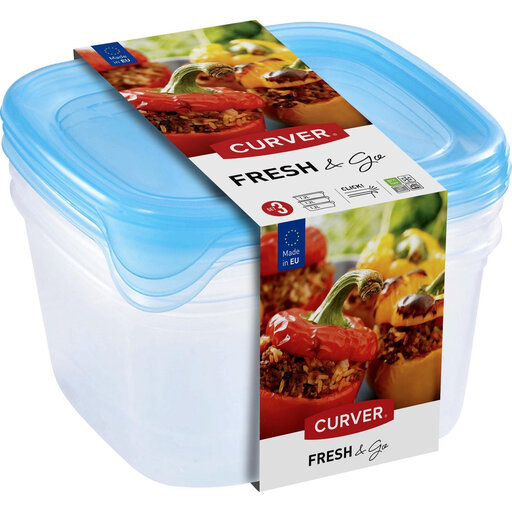
Why This Fits Their Persona: This set is ideal for those who prepare meals for several days. The generous 1.2-litre capacity per container is perfect for a full meal. They are stackable, which keeps the fridge and freezer organised.
The Fresh & Go series from Curver uses sturdy locking lids that maintain a good fit, even after dishwasher use. This prevents the frustration of warped lids.
Large capacity for full meals. Suitable for the freezer, microwave, and dishwasher. A reliable brand.
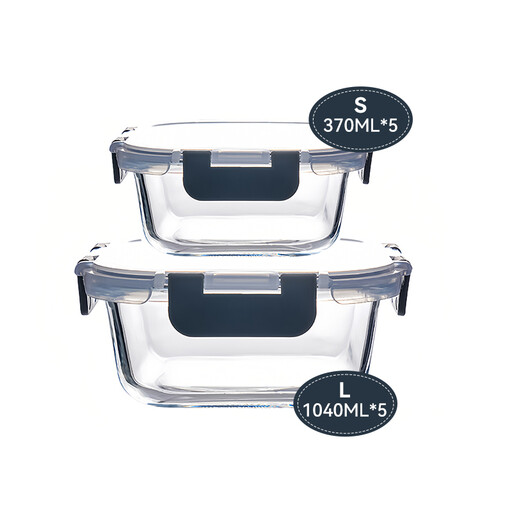
Why This Fits Their Persona: For those who prefer to avoid plastic and invest in a durable solution. This set, made from high borosilicate glass, withstands high temperatures and is completely resistant to stains and odours.
Glass is the definitive solution to the problem of discolouration and lingering odours. The sturdy locking lids with seals ensure a reliable, leak-proof closure.
Made from heat-resistant borosilicate glass. Completely stain- and odour-free. The set includes various sizes for diverse applications.
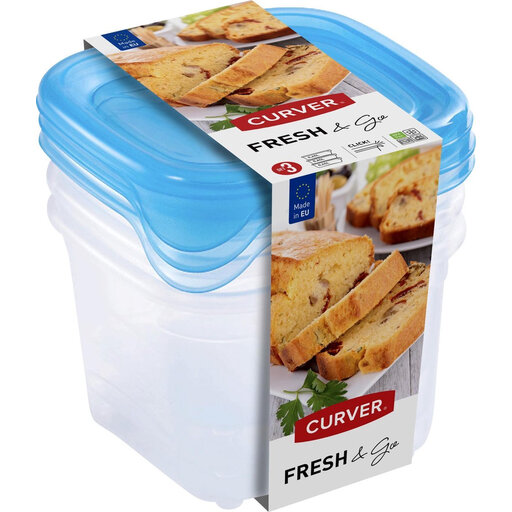
Why This Fits Their Persona: A compact and affordable food container set for anyone seeking a practical solution for lunches, snacks, or small leftovers. The containers are nestable, saving a lot of space in a small kitchen or student dorm.
By choosing a well-known brand like Curver food containers, you get more assurance about the quality of the plastic and the fit of the lids compared to unbranded alternatives.
Compact, nestable for space-saving storage, and suitable for all basic functions (freezer, microwave, dishwasher). Excellent value for money.
We have compiled a complete, up-to-date list of products that fully meet these strict selection criteria and safety regulations.
The best method is to rinse the container with cold water immediately after use, before washing it with hot water and soap. Cold water helps set the pigments before they can soak into the plastic. Another tip is to lightly rub the inside of the plastic container with a neutral oil before adding the sauce; the oil creates a protective barrier.
It depends on your priorities. Glass is superior in terms of hygiene and durability; it doesn't stain or absorb odours. Plastic is lighter, cheaper, and less fragile, making it more practical for on-the-go use. For home storage and reheating in the oven, glass is preferable. For a lunch box in your bag, plastic is often more convenient.
This largely depends on the type of food and whether the container is airtight. In a proper airtight container in the refrigerator, prepared meals generally stay good for 3 to 4 days. Ensure the food has cooled completely before you put the lid on and place it in the fridge. This prevents condensation and bacterial growth. Always use your senses (sight, smell) to check food before eating.
