
Vandaag of morgen in huis

Kwaliteit gegarandeerd

Welkomstaanbiedingen ontgrendelen: GRATIS bezorging | Tot 80% korting | Gratis 30 dagen JoyPlus-proefperiode
Download de app
You know the drill: you pull a meal from the freezer, and it's covered in a layer of ice crystals. Or you find a puddle of soup at the bottom of your bag after a bumpy bike ride. A good food storage bag seems like a simple purchase, but the wrong choice leads to food waste and unnecessary frustration.
Many products promise airtight and leak-proof storage, but in practice, they often fall short. Before you buy another box, it's helpful to know the most common pitfalls that cost you money and good food.
You don't need to be a materials scientist to avoid these problems. Pay attention to the following three specifications to make an informed choice.
Not every bag is suitable for every task. The material determines its strength, flexibility, and level of protection.
The seal is the most vulnerable part. A good seal is the difference between a handy product and a source of annoyance.
All food storage bags sold in the EU must meet safety standards. Still, there are important differences.
Based on these objective criteria, we have selected a number of products that suit different households and needs.
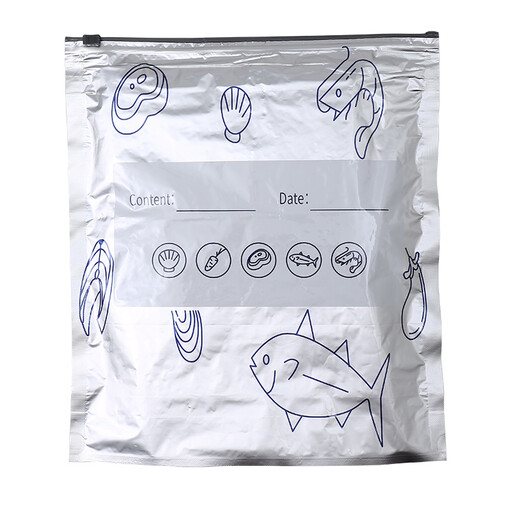
Why This Fits Their Persona: Ideal for freezing large portions of soup, stews, or cuts of meat. The stand-up bottom makes filling easy, and the writable label helps keep the freezer organized.
The reliable slider closure and thick, multi-layer material with aluminum prevent leaks and freezer burn—the two biggest frustrations when freezing meals.
The aluminum foil material blocks light and odours, which, according to the manufacturer Maxcook, helps slow down oxidation. The bags are washable and reusable.
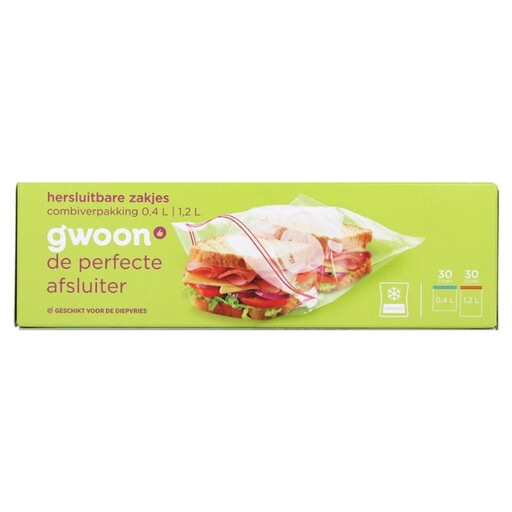
Why This Fits Their Persona: This set offers two versatile sizes for the daily chaos: small bags for snacks and larger ones for sandwiches or leftovers. A practical, no-nonsense solution for the kitchen drawer.
This product doesn't pretend to be made for extreme conditions. It provides a reliable press-seal for everyday use, without the premium price of specialised freezer bags.
An economical combo pack with 60 bags in total. The bags are made of food-safe material and are transparent, so you can see what's inside at a glance.
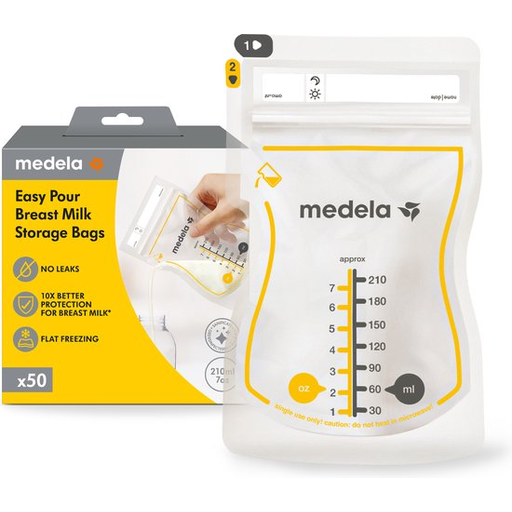
Why This Fits Their Persona: Storing pumped breast milk requires absolute certainty. These bags are specifically designed for this purpose, with a focus on hygiene, safety, and preserving nutrients.
These are not standard freezer bags. They have a double zipper and a separate pouring spout to prevent leaks and contamination—a risk you don't want to take with breast milk using regular bags.
According to the manufacturer Medela, the bags are 100% leak-proof, BPA-free, and have a high oxygen barrier to protect nutrients. They can be frozen standing up or lying flat.
We've compiled a complete, up-to-date list of products that fully meet these strict selection criteria and safety regulations.
Freezer burn is caused by exposure to air. The key is to push as much air out of the bag as possible before sealing it. Roll the bag up from the bottom towards the opening and only seal it at the last moment. Additionally, choose thicker freezer bags specifically designed to keep the cold, dry air of the freezer out.
No, not necessarily. Always look for a 'food-safe' symbol (often a glass and fork) or the BPA-free designation. This guarantees that no harmful substances can leach from the plastic into your food. This is especially important when storing acidic, fatty, or hot foods, and of course, for breast milk storage bags.
For most reusable food storage bags, hand washing is the best method. Use lukewarm soapy water and a soft brush or cloth. Avoid abrasive sponges. Turn the bags inside out to dry them thoroughly, for example, by placing them over a glass or on a drying rack. Only put them in the dishwasher if the manufacturer explicitly states it is safe, as high temperatures can damage the material or the seal.
