
Baking a single tart
You want to know whether the included blade and bowl are right for a single recipe. A general dough limit for bread doesn’t automatically tell you whether the processor is suitable for sweet pastry dough.


Choose a food processor based on whether its blade and the amount of dough permitted in the instructions suit your recipe. Then check whether you can store and clean the appliance and its parts in your shared kitchen. A smaller bowl may be easier to put away; a larger bowl may give you more room for bigger batches, but bowl capacity is not the same as the permitted dough weight. Treat the models mentioned here as examples to help you compare options, and check the instructions and relevant conformity documentation for the specific appliance you’re considering.
You want to know whether the included blade and bowl are right for a single recipe. A general dough limit for bread doesn’t automatically tell you whether the processor is suitable for sweet pastry dough.
You want to be able to clean and store the appliance and its separate parts easily after use, without taking up shared worktop space for too long.
You sometimes make more than one tart and want to weigh the permitted dough amount against the bowl capacity and the space the appliance takes up.
Start with the blade and the dough instructions for your recipe. Then compare the batch size you need, the storage space available and how much cleaning is involved.
| What to consider | What should you check? | Who should pay particular attention? |
|---|---|---|
| Suitability for pastry dough | Check the full model number, the suitable blade and the instructions for your recipe and batch size. | If I’m making one tart, I want to be sure the blade and instructions are right for my dough. Around 28% of consumers prioritise dough suitability. |
| Cleaning between users | Read the cleaning instructions for each part and check which parts are dishwasher-safe. | When sharing the appliance, I want to be able to clean it thoroughly after making dough and leave it ready for the next person. Around 22% of consumers prioritise ease of cleaning. |
| Worktop and storage space | Measure the space available for using and storing the appliance, allowing for the lid and any separate accessories. | When the worktop and cupboard are shared, I want to know whether there’s room for both the appliance and its parts. Around 22% of consumers prioritise space. |
| Batch size and capacity | Compare the total recipe weight with the dough limit for the exact model; check the bowl capacity in litres separately. | If I want to make several pastry cases at once, I want to choose a batch size that stays within the model’s instructions. Around 17% of consumers prioritise batch size. |
| Noise when sharing the kitchen | If noise is a deciding factor, look for comparable, independent noise test results for the exact models. | If other people are using the kitchen at the same time, I want to take possible noise into account. Around 11% of consumers prioritise noise levels. |
Bowl capacity in litres and maximum dough weight are two different things. Bosch lists these separately for the MCM3501M; its general dough limit doesn’t automatically confirm a maximum for every type of sweet pastry dough.
Compare the amount in your recipe with the instructions for the exact model, and don’t use the bowl capacity in litres as a measure of dough capacity.
If a recipe batch exceeds the usable capacity, you may need to make the dough in several batches.
Instructions for one model or recipe don’t automatically apply to another. For its Mini Plus shortcrust pastry recipe, Magimix specifically recommends using the metal blade.
Before use, check the recipe and the instructions for the full model variant.
A manufacturer’s description such as ‘quiet’ isn’t the same as a comparative noise test. Dishwasher safety can also vary from one part to another.
Compare independent noise data for the exact models and follow the cleaning instructions for each part.
Parts that need to be washed by hand mean more time spent cleaning up.
The Kenwood FDP22.140GY and FDP22.130RD have different full model numbers, so you can’t assume they come with the same accessories.
Compare the full model number and the parts supplied. Don’t use a different variant as a purchase link for the model you’ve researched.
Worth considering if you’re looking for a compact food processor and want to compare instructions for a specific shortcrust pastry recipe.
The MultiTalent 3 MCM3501M is a useful comparison if you want to factor in a larger bowl and a stated dough limit.
According to KitchenAid, the 5KFP0719EBM combines a 1,7-litre bowl with storage space for parts inside the bowl.
The MultiPro Go FDP22.140GY is a compact option if you’re also considering chopping, slicing and grating.
The products below include food processors and kitchen machines with a range of bowl and accessory configurations. Compare the instructions for the exact model with your recipe to find out which tool to use and what quantity is permitted. Dutch government guidance describes the relevant CE marking and EU declaration of conformity as manufacturer obligations; CE marking isn’t a quality mark.
 No image available
The product description lists dough hooks for preparing dough; check the instructions before using them for sweet pastry dough.
4.5 L bowl; 1300 W; six speeds and pulse function.
 No image available
The product description lists removable, dishwasher-safe parts; check the instructions for each part and for your recipe.
750 W power; 1.8 L bowl.
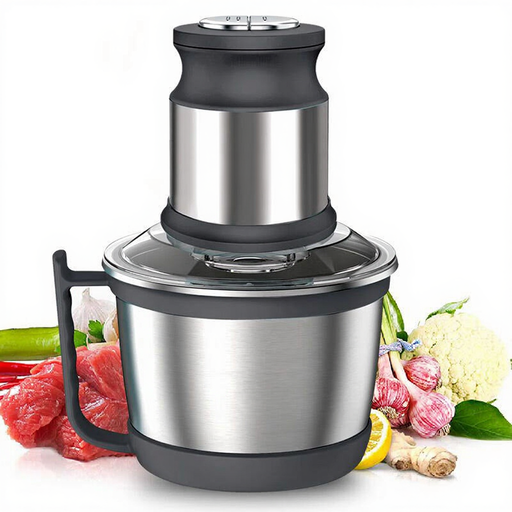 No image available
The product name mentions functions for meat and vegetables; check the instructions to find out which tool is intended for sweet pastry dough.
3 L bowl; 800 W power; dimensions listed as 20 × 26 cm.
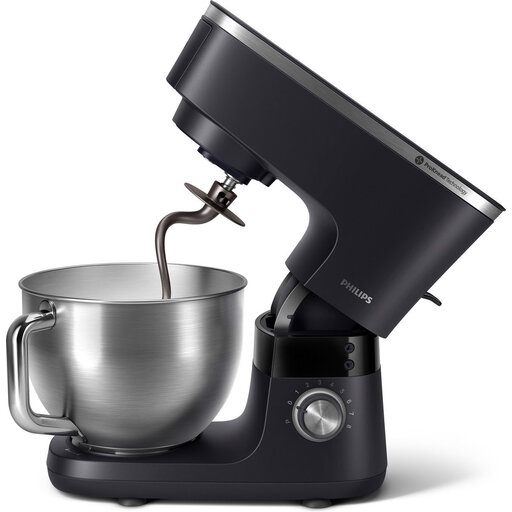 No image available
The product description lists a dough hook; check that the tool and recommended quantity are right for your pastry dough.
5.5 L bowl; eight speeds; 1000 W.
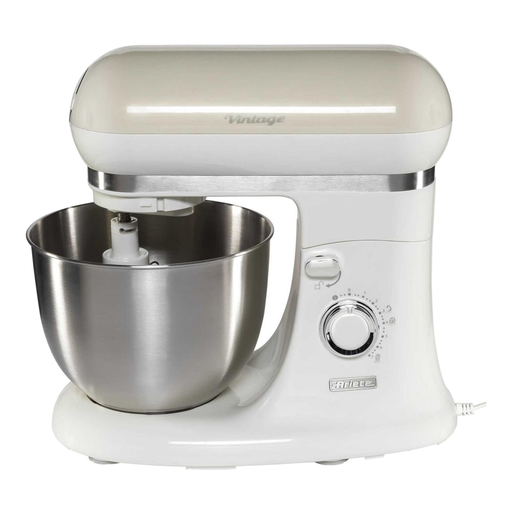 No image available
The product description lists a dough tool for kneading pastry; check the instructions for your recipe and batch size.
5 L bowl; 1000 W; planetary mixing action.
Follow the recipe and the instructions for the full model. Magimix specifies a kneading blade for its shortcrust pastry recipe and specifically recommends the metal blade for the Mini Plus. A dough blade listed for another model or for bread dough isn’t automatically suitable for your pastry dough.
Not necessarily. Compare the total quantity in your recipe with the permitted amount for the exact model; bowl capacity in litres and dough weight in kilograms are different things. Bosch lists a 2,3-litre bowl and a maximum dough weight of 0,8 kg separately for the MCM3501M.
Don’t assume it’s safe to taste raw dough: according to the Voedingscentrum, flour can also contain harmful bacteria. Wash your hands after handling raw dough and, in a shared kitchen, make sure the utensils you’ve used are clean.
Electric kitchen appliances are subject to relevant European product safety requirements. Dutch government guidance describes manufacturers’ obligations regarding the required CE marking and an EU declaration of conformity; a CE statement in a product description isn’t, by itself, an independent safety assessment of an individual appliance.
A manufacturer’s warranty isn’t the same as your statutory guarantee rights. According to ACM ConsuWijzer, the seller remains responsible if a product used normally doesn’t do what you could reasonably expect, even if you haven’t bought an additional warranty.
No. The NVWA guidance consulted on precautionary allergen labelling is aimed at businesses that produce, package or sell food; those rules don’t automatically apply to private baking with housemates. However, if you have a food allergy, ingredients and possible traces on shared kitchen utensils still need to be considered separately.